Why Transactions Fail (And Nobody Explains It Properly)
 Deccan Dao4 min read·Just now
--
There’s a very special kind of frustration in Web3.
Not the dramatic kind.
Not the “market crashed” kind.
A quieter one.
The kind where you do everything correctly…
and the transaction still fails.
You copied the right address.
You clicked the right buttons.
You even rechecked everything like a responsible citizen paying taxes on time for once.
And still:
“Transaction Failed.”
No explanation.
No clarity.
Just vibes and suffering.
The Biggest Scam in Web3
No, not meme coins.
Not influencers with laser eyes.
The real scam is this illusion that blockchain transactions are instant and guaranteed.
They’re not.
Every transaction in Web3 is basically a request sent to a network that owes you absolutely nothing.
You ask politely.
The network decides.
But I Clicked Send…”
Yeah.
And thousands of other people also clicked send.
At the exact same time.
This is the part most people don’t realize.
The blockchain isn’t sitting idle waiting for your transaction like a waiter in an empty restaurant.
It’s busy.
Very busy.
And your transaction just joined a giant crowd trying to get attention.
The Queue Nobody Sees
When you submit a transaction, it enters a waiting area called the mempool.
Think of it like standing outside a government office.
Everyone has forms.
Everyone thinks their work is urgent.
Everyone wants to go first.
And somehow there are only three counters open.
Now imagine someone walks in and says:
“I’ll pay extra.”
Suddenly their work gets processed faster.
Congratulations.
You just understood gas fees.
Sometimes You Simply Didn’t Pay Enough
This is one of the most common reasons transactions fail.
Your fee was too low.
Not because the network hates you personally.
Because validators prioritize transactions that pay more.
Higher fee → faster inclusion.
Lower fee → longer waiting.
And if the network gets too crowded?
Your transaction can stay pending forever… or fail completely.
It sounds unfair until you realize:
The blockchain is not a charity.
It’s infrastructure.
Then There’s the Classic: Insufficient Funds
This one hurts because it’s so stupid.
You have enough ETH to send.
But not enough ETH to pay the gas fee.
So now the transaction fails.
It’s like reaching the toll booth with exact money for the trip…
and forgetting the toll exists.
And Then Comes Smart Contract Chaos
Now things get even more interesting.
Sometimes the transaction fails even when:
- your balance is correct
- your fee is fine
- your wallet works perfectly
Because the smart contract itself rejected the action.
Maybe:
- the condition wasn’t met
- the timing was wrong
- the liquidity changed
- the function reverted
And suddenly your transaction dies because somewhere, some code said:
“No.”
No emotions.
No explanation written in human language.
Just:
“Execution reverted.”
Very comforting.
Web3 Has a Unique Talent
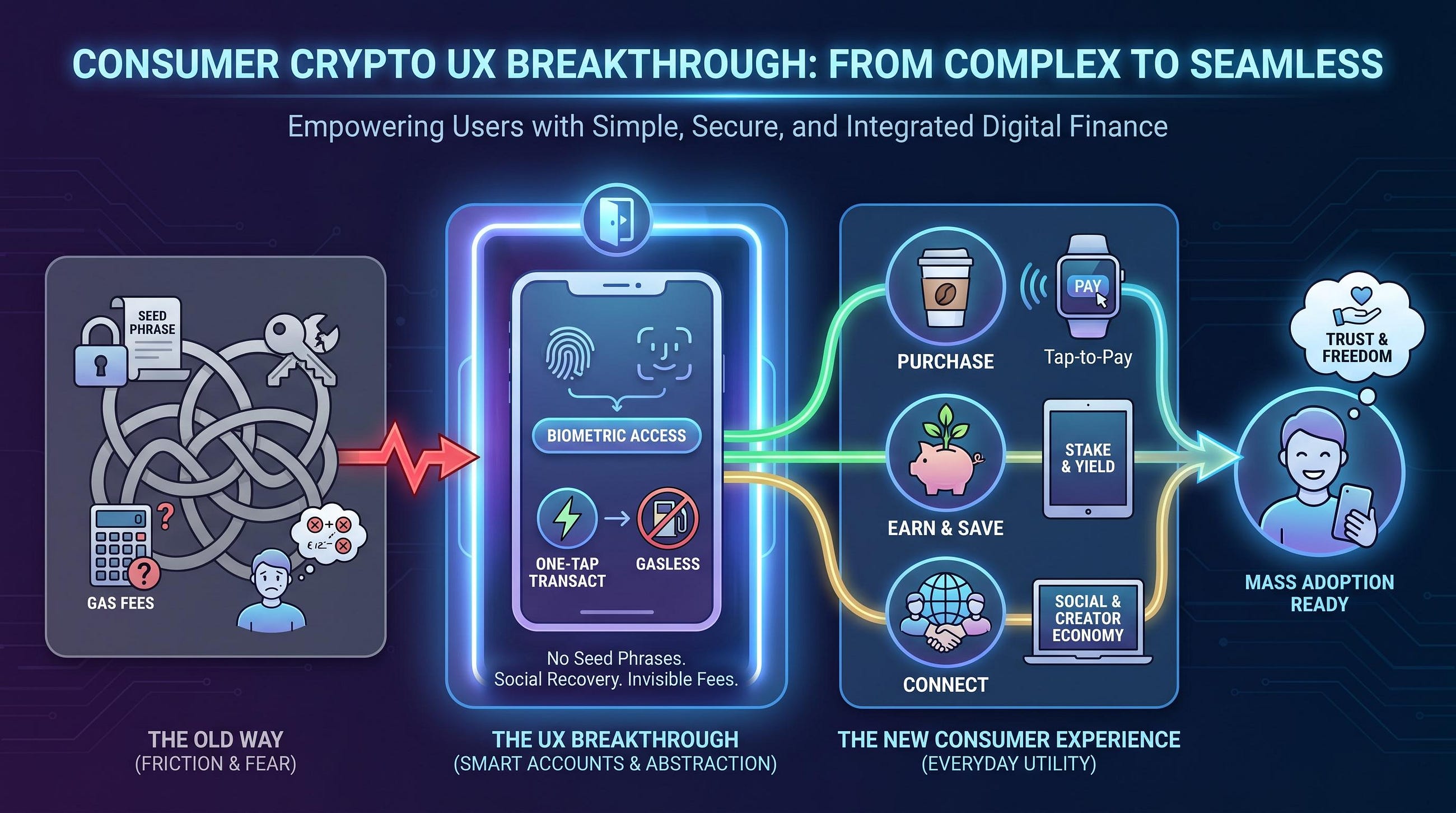
Traditional apps usually hide complexity from users.
Web3 exposes it.
Painfully.
When something breaks in Web2, the company absorbs most of the confusion.
In Web3, the confusion is delivered directly to your face.
Raw.
Unfiltered.
Like black coffee without sugar.
The Strange Thing Is… This Is Actually Honest
Because the system isn’t pretending.
It’s showing you reality:
- networks get congested
- incentives matter
- code has rules
- systems have limits
The blockchain doesn’t fake smoothness.
It shows friction openly.
And honestly?
That’s rare on the internet.
A Slightly Political Observation
Web2 platforms behave like politicians during elections.
Everything feels smooth.
Everything feels easy.
Every problem has a smiling support page.
Until something serious happens.
Then suddenly:
“We are looking into the issue.”
Web3 is different.
It starts by telling you:
“Handle your own responsibility.”
Rude? Maybe.
More honest? Also yes.
So How Do You Stop Transactions from Failing?
Not completely.
Failures are part of the system.
But understanding helps.
You start checking:
- network congestion
- gas fees
- wallet balances
- contract conditions
And slowly, transactions stop feeling random.
They start feeling logical.
Why This Matters
Because once you understand why transactions fail…
you also understand how blockchains actually behave.
Not as magical systems.
Not as futuristic marketing.
But as infrastructure.
Messy sometimes.
Expensive sometimes.
Confusing sometimes.
But still operating through rules instead of trust.
At Deccan DAO, we don’t just explain successful interactions.
We explain the frustrating ones too.
Because understanding Web3 isn’t about watching everything work perfectly.
It’s about understanding why things break… and what the system is trying to tell you when they do.
A failed transaction isn’t always a disaster.
Sometimes it’s just the blockchain reminding you:
“This system has rules. Learn them.”