The time of the GRC analyst is gone, now for the engineer
I haven’t written about GRC in quite a bit. This feels like a writeup that will be both rewarding for myself and the reader(s)

I always take offense when people go “GRC is for non-technical people,” and “GRC professionals do not need to know scripting or networking.” :) I have always preached adding another domain as a complementary specialization in this space (ala networking, automation, SOC, pen testing, vulnerability assessment etc.) to your repertoire of skills.
Now, I was apparently ahead of the curve all along (thank God because the job market is crazy) , now there’s a bit of a shift happening with respect to job roles and their requirements. To think I might have been an engineer not an analyst all this while.
If you want to be relevant in the next decade, you DO need to know coding or some other specialization in tech or a cybersecurity domain.
What Is GRC Engineering?

GRC engineering treats deliverables like governance, risk management and compliance like an engineering problem.
- Define the your controls.
- Automate the checks.
- Integrate them into existing infrastructure, processes or/and platforms.
- Surface real-time evidence for leaders and auditors.
No more screenshot circus. No more annual panic. Just continuous assurance, embedded in the way you ship and operate.
Why Now?

This shift toward GRC engineering did not happen overnight, if you take a look at other domains you would find a similar path had been threaded. It’s being driven by forces that make the old “annual audit” model unsustainable.
First, change cycles have outpaced audit cycles. In most companies, code gets deployed daily, sometimes hourly. Infrastructure is ever changing, and AI systems constantly retrain, update, and change behavior. Trying to govern all that with quarterly reviews and static checklists is like trying to track the weather with last month’s forecast .. you’ll always be behind.
Second, stakeholders want proof, not promises. Enterprise customers no longer settle for policy binders and generic assurances. They want evidence in real time: uptime metrics, incident closure times, and access attestation reports. If you can’t produce them, you’re not just behind on compliance.. you’re leaving money on the table. In many industries, GRC engineering has become a revenue enabler, as it enables startups and enterprises to demonstrate trust instantly, rather than after weeks of scrambling.
Third, regulators have simply raised the bar.
- NIST CSF 2.0 moves away from “box-checking” and emphasizes measurable outcomes.
- ISO Standards are forcing closer alignment between risks and controls, demanding traceability between what you say and what you do.
- PCI DSS 4.0 requires continuous evidence of controls for cardholder environments. The era of once-a-year screenshots is over.
Put simply, the speed of change, customer expectations, regulatory pressure, and financial realities are converging. GRC engineering is no longer a nice-to-have. It’s the only way to keep up.
What is the GRC Engineering Landscape?

A GRC-engineered environment feels very different from traditional compliance. Instead of a scramble before audit season, governance and assurance are baked into the daily flow of engineering and operations.
A regulator sends a routine request: “Please provide evidence that privileged access to production systems is reviewed quarterly.”
Old World:
What should be a simple request quickly becomes chaos.
The GRC team sends messages across Slack channels asking for help. Someone from the identity team exports a CSV from Active Directory. Another engineer searches through ServiceNow for access review tickets. A cloud administrator screenshots Azure role assignments.
None of the data lines up.
Usernames don’t match employee IDs. Some accounts belong to contractors who left months ago. One of the exported spreadsheets is already two weeks old. The SOC analyst notices several privileged accounts that were never part of the last access review. Now the question shifts from “Where is the evidence?” to “Were the reviews actually done?”
Days turn into weeks.
Spreadsheets are merged. Screenshots are annotated. Someone pastes explanations into a long email thread trying to justify the inconsistencies. Eventually, the evidence package is assembled into a bulky document. By the time it reaches the regulator, the access list has already changed again. The audit deadline is approaching, confidence is fading, and the uncomfortable realization sets in:
the organization doesn’t actually have a reliable way to prove that its own access control policies are working.
GRC-Engineered World:
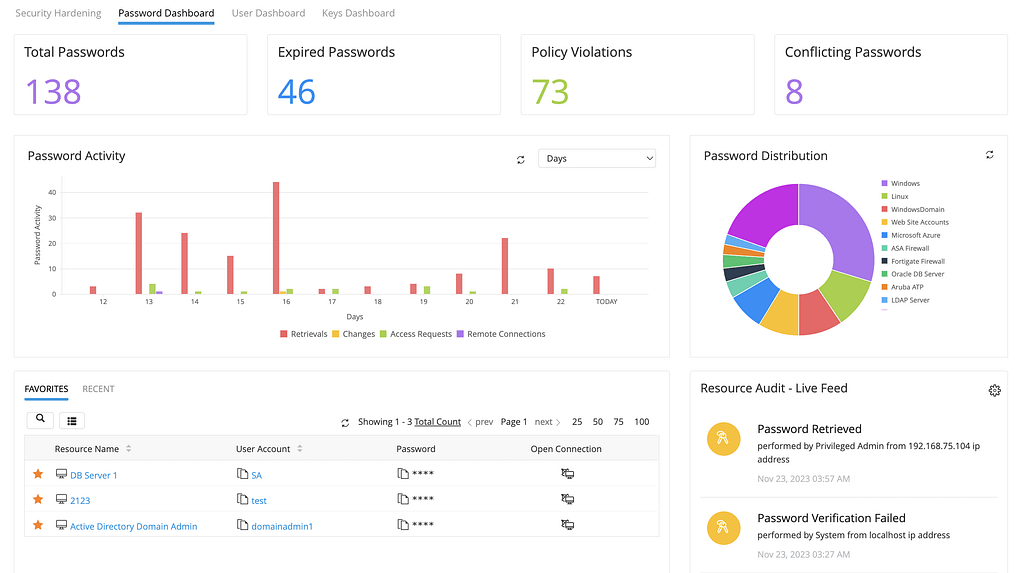
The GRC analyst opens the access governance dashboard. The system continuously tracks privileged roles across the identity provider, cloud platforms, and on-premise infrastructure. Every account with administrative permissions is already mapped to an owner, a ticket, and a review cycle.
Within seconds, the dashboard shows the current status.
All privileged accounts are listed with their last review date, approving manager, and expiration policy. The system highlights that the most recent quarterly review closed two weeks ago, with 98% of access requests approved and two unnecessary permissions automatically revoked during the process.
Exporting the evidence takes less than a minute.
The report includes:
- a complete list of privileged accounts
- the timestamp of the last quarterly access review
- manager approvals captured in the identity governance workflow
- remediation logs showing where privileges were removed
Every action is tied to audit logs pulled directly from the identity platform.
No screenshots.
No spreadsheets.
No hunting through ticket systems.
The evidence is generated directly from the systems enforcing the control. The customer receives the report the same day, complete with machine-generated timestamps and approval records.
Confidence is built immediately.
That’s the difference between traditional governance and a GRC-engineered environment.
In the old model, access reviews are periodic events. Someone exports a user list, emails managers for confirmation, and hopes everyone responds before the deadline. Evidence is assembled after the fact, often from incomplete records.
In a GRC-engineered system, the control operates continuously. Privileged accounts are automatically identified through role tagging and policy definitions. Review workflows are scheduled within the identity governance platform, triggering approval tasks for managers every quarter. If approvals aren’t completed on time, reminders escalate automatically.
If a privileged account becomes inactive or unnecessary, the system flags it or removes it automatically. Every approval, rejection, and privilege removal is logged in real time. The control is not just documented.
It is enforced.
The identity infrastructure effectively becomes its own audit trail. Joiner-mover-leaver processes from the HR system trigger identity updates automatically. When employees change roles, privileged permissions are re-evaluated. When someone leaves the organization, access disappears immediately across production systems.
Quarterly reviews don’t require manual coordination because the workflow already exists inside the identity governance platform.
- Approvals happen inside the system.
- Evidence is captured automatically.
- Audit artifacts are generated by default.
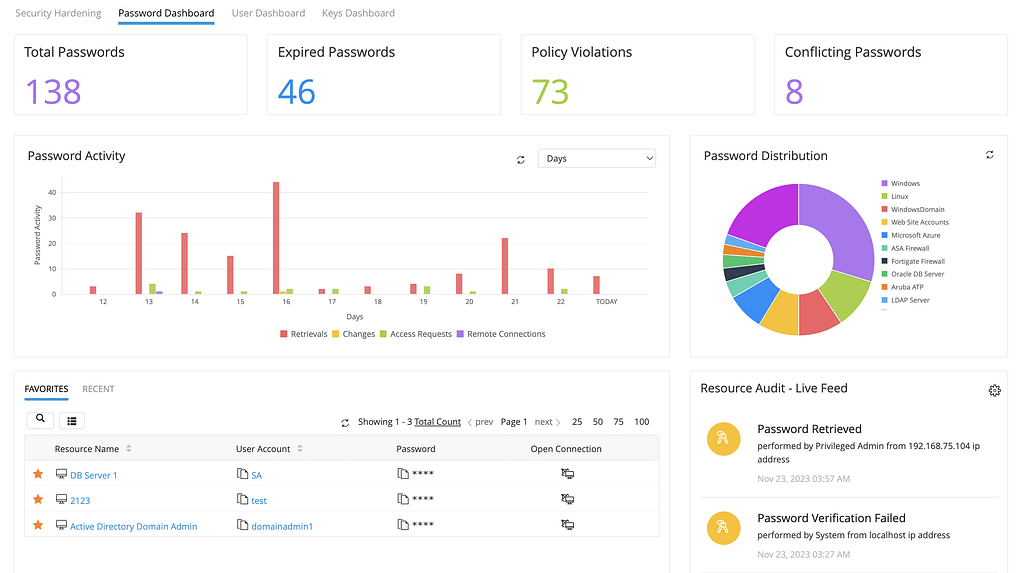
From a leadership perspective, this environment removes uncertainty. Instead of waiting for auditors or customers to uncover gaps, dashboards show real-time indicators such as:
- number of active privileged accounts
- percentage of accounts reviewed in the current cycle
- stale privileges awaiting removal
- average time to approve or revoke access
The organization doesn’t need to prove that access reviews happened. The system proves it continuously. For engineers and administrators, the change is equally significant. Access management stops being a periodic administrative exercise and becomes a governed workflow embedded in the identity platform.
Requests, approvals, revocations, and evidence all happen within the same system. Compliance stops interrupting operations and instead becomes a natural byproduct of how access is managed. And when the next request arrives asking for proof that privileged access is reviewed quarterly, the answer isn’t assembled.
It’s already there.
The Skills GRC Pros Need Now

1. Identity and Access Management (IAM)
The Problem
IAM is one of the most control-heavy domains in cybersecurity, but it often suffers from:
- Manual access reviews
- Excessive privileges
- Poor role definitions
- Slow onboarding/offboarding process
- Compliance checks done quarterly instead of continuously
From a GRC perspective, these create access risk, segregation-of-duty violations, and audit failures.
How GRC Engineering Solves It
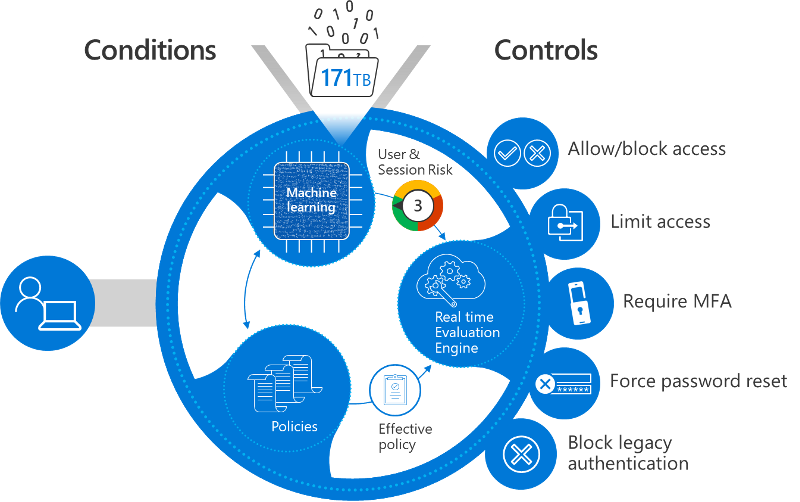
1. Policy-as-Code for Access Controls
Instead of documenting access policies in PDFs, GRC engineers encode them into systems.
Example:
- “Finance staff cannot deploy code to production”
- “Developers cannot approve their own pull requests”
- “Privileged access expires after 24 hours”
Tools such as:
- Microsoft Entra ID
- Fortinet FortiManager
- Cloud access policies (AWS, Azure)
automatically enforce these governance rules.
2. Automated Access Risk Scoring
GRC engineering can calculate risk scores for identities based on:
- Privilege level
- Dormant accounts
- External access
- Privileged group membership
This allows IAM teams to focus on high-risk identities first.
Example automation:
Risk Score = Privilege Level + Dormancy + External Access + Failed Logins
Accounts above threshold → automatically flagged for review.
3. Continuous Access Certification
Instead of quarterly access reviews, GRC engineering integrates IAM with:
- HR systems
- ticketing platforms
- asset inventories
This enables continuous access governance:
Example workflow:
Employee leaves HR system
 → IAM detects termination
 → Access automatically revoked
 → SOC notified
 → GRC system logs evidence for audit
4. Segregation of Duties (SoD) Automation
GRC engineering can enforce SoD policies such as:
RoleCannot Combine WithPayment approvalPayment creationCode deploymentCode approvalDatabase adminAudit log management
Violations trigger automatic access removal or escalation.
2. Red Teaming
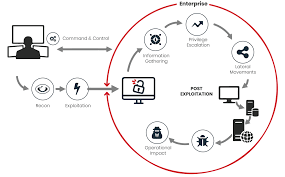
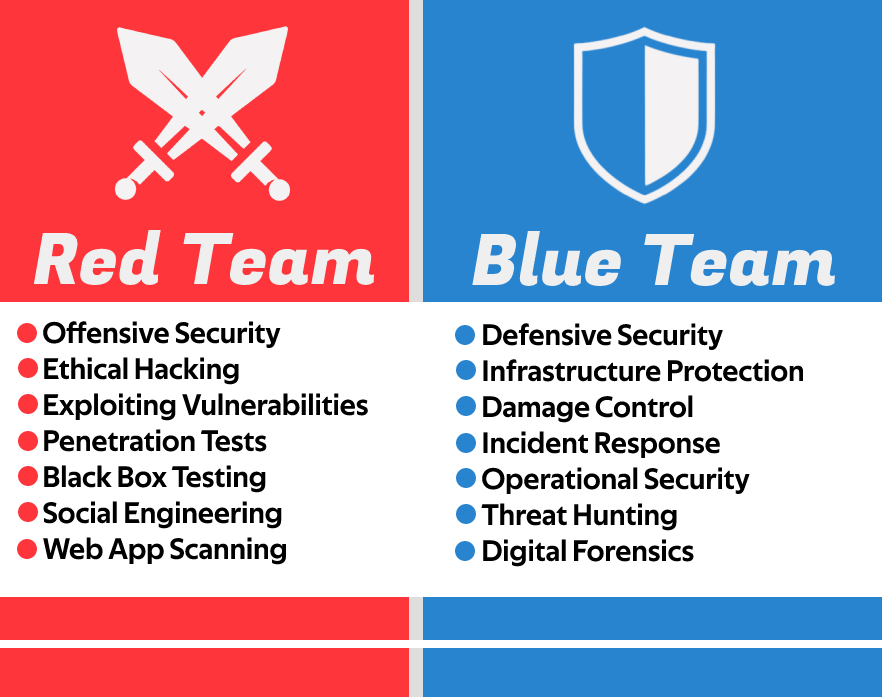
The Problem
Red teams generate valuable findings, but organizations struggle to translate them into:
- risk management
- governance improvements
- measurable control maturity
Many reports become static documents that leadership never operationalizes these data.
How GRC Engineering Solves It
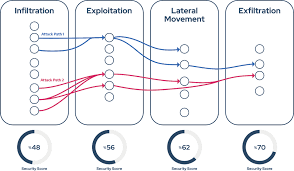
1. Attack Path → Risk Register Automation
GRC engineering converts red team findings into structured risk data.
Example:
Red Team Finding:
Initial Access → Phishing → Domain Admin → Data Exfiltration
Automatically mapped to:
- Risk category
- impacted assets
- control failures
- MITRE ATT&CK techniques
This updates the enterprise risk register automatically.
2. Control Validation Automation
Red team exercises can be tied to control frameworks such as:
- ISO 27001
- NIST CSF
- CIS Controls
Example:
Initial Access → Phishing → Domain Admin → Data Exfiltration
A GRC engineering platform can automatically update control effectiveness scores.
3. Continuous Purple Team Feedback Loops
Instead of annual penetration tests, GRC engineering enables:
continuous adversary simulation
Workflow:
Red team attack simulation
→ SOC detection triggered
→ Detection effectiveness scored
→ Control maturity updated in GRC platform
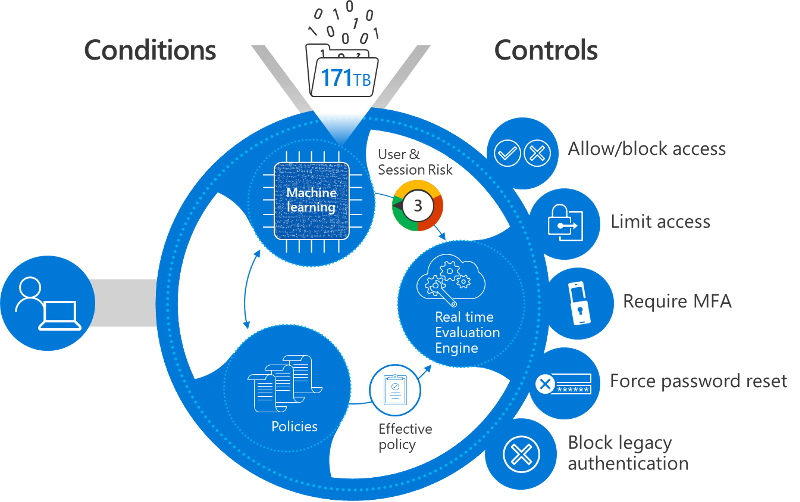
This links back to the Identity and Access Management (IAM) system in place.
3. Security Operations Center (SOC)
The Problem
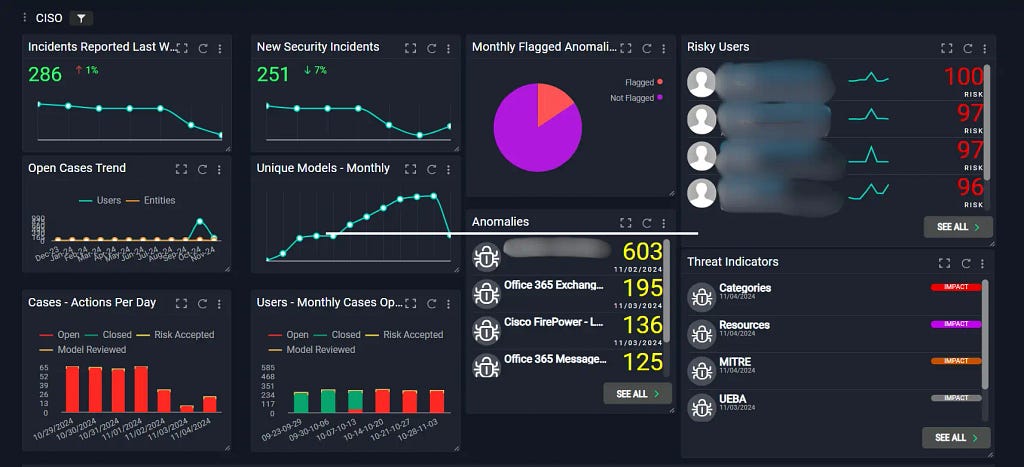
SOCs often face:
- Alert fatigue
- Poor prioritization
- Lack of risk context
- Weak linkage to compliance frameworks
A SOC may detect thousands of alerts but not know which ones matter most to the business.
How GRC Engineering Solves It
1. Risk-Based Alert Prioritization
GRC engineering integrates:
- asset criticality
- business impact
- regulatory obligations
into SIEM/SOC alerts.
Example:
AlertAssetPriorityMalware on test laptopLowFailed login on Domain ControllerHighSuspicious activity on payment systemCritical
The SOC should always focus on business-critical incidents first.
2. Compliance-Aware Incident Response
Certain incidents trigger regulatory obligations:
Examples:
IncidentRegulatory RequirementData breachGDPR reportingCritical infrastructure outageNational regulator notificationFinancial data compromiseBanking regulator reportingIncidentRegulatory RequirementData breachGDPR reportingCritical infrastructure outageNational regulator notificationFinancial data compromiseBanking regulator reporting
GRC engineering embeds these requirements into incident response playbooks.
Example automation:
Incident classified as "personal data breach"
 → Compliance workflow triggered
 → Legal notified
 → Breach reporting timer started
3. Automated Control Evidence Collection
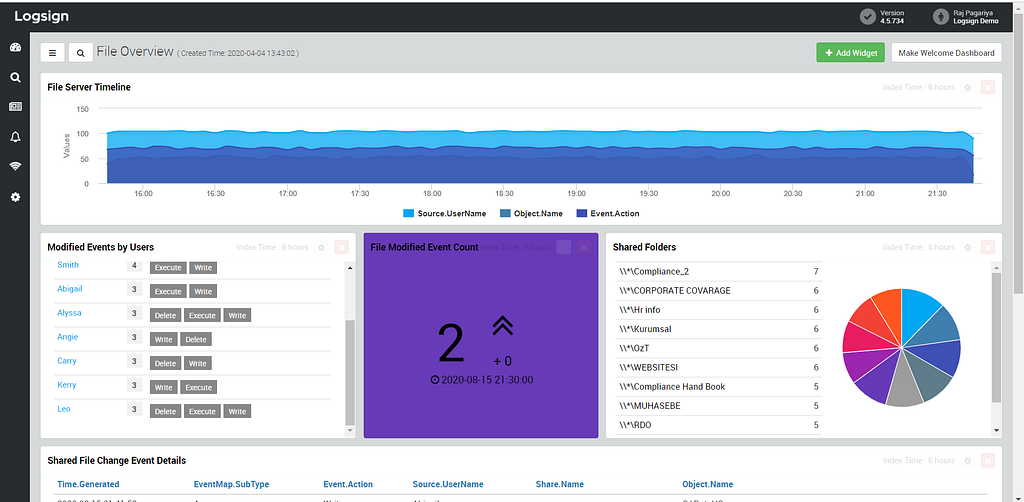
SOC tools generate large volumes of logs.
GRC engineering automatically collects evidence from:
- SIEM
- EDR
- IAM systems
- vulnerability scanners
This removes the manual audit evidence collection burden.
Example:
Audit request:
Provide proof of log monitoring controls
GRC platform automatically exports:
- SIEM configuration
- alert logs
- response timelines
- Technical detection to governance metrics.
The GRC pro of the future isn’t just a checklist auditor. They’re a compliance engineer, risk analyst, part automation architect.
The good news is that you do not need to start becoming a part-time coder to get good at GRC engineering. This is where vibe coding and MCP come in.
Vibe Coding and MCP: The Next Leap in GRC Engineering

The story doesn’t end with automation. Emerging paradigms like vibe coding and the Model Context Protocol (MCP) are making GRC engineering even easier and more accessible.
- Vibe coding allows developers and even non-developers to build applications by describing goals in natural language instead of writing full code. Imagine prompting AI to: “Build me a compliance dashboard that tracks IAM misconfigurations and shows trend lines” and having an AI agent generate the first working version. GRC pros don’t need to be full-time engineers; they just need fluency to guide these systems toward secure, compliant outcomes.
- MCP (Model Context Protocol) enables AI agents to plug into organizational systems (like ticketing, logging, or cloud APIs) in a standardized, secure way. Instead of manually wiring integrations, GRC engineers will soon be able to direct AI agents to “collect IAM activity logs” or “test DR failover,” and the agent will handle the details.
Together, vibe coding and MCP lower the barrier to entry for technical GRC. They let professionals focus on what needs to be governed while AI handles the repetitive “how.”
That’s the next frontier: GRC engineering not just as a skillset, but as a collaborative workflow with AI.
The checklist auditor is gone. The compliance engineer is here. And soon, the compliance engineer will have AI copilots that make governance as easy as describing the outcome you want.
Closing….

I think I’m going to start a GRC engineering series, let me know if you would support that, or would videos be better?
I hope you gained value from this piece, show your support with claps, comments and sharing. I hope to read you soon!!
The time of the GRC analyst is gone, now the engineer emerges was originally published in Coinmonks on Medium, where people are continuing the conversation by highlighting and responding to this story.