IEM Cologne Major 2026 delivers standout Stage 2 moments while crypto stays on the sidelines
Counter-Strike's biggest tournament is pulling record viewership and a $1.25M prize pool, but blockchain integration remains conspicuously absent from the esports mainstream.
Share
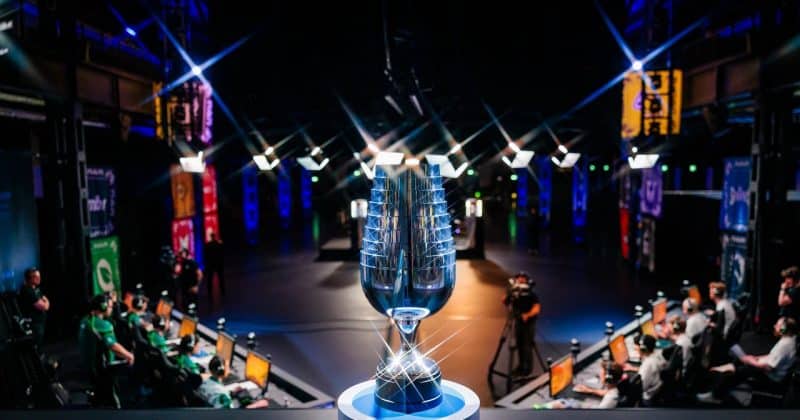
Add us on Google by Editorial Team Jun. 10, 2026The IEM Cologne Major 2026 is doing what it does best: producing the kind of jaw-dropping Counter-Strike moments that make highlight reels feel like cinema. Stage 2 of the tournament, running at the iconic LANXESS Arena, has delivered competitive drama in spades, with viewership climbing 10-20% over the equivalent stage of the previous Major.
Spirit dominates as Stage 2 heats up
The Major, which spans June 2-21, 2026, carries a total prize pool of $1.25 million. Stage 2 uses a Swiss-system group format that transitions into best-of-three elimination matches, a structure designed to reward consistency while punishing any single bad series.
Team Spirit has been the story of this stage. They’ve posted a flawless 3-0 record with a staggering +42 round differential across their maps.
AdvertisementThe Swiss system is essentially a bracketing method where teams with the same record play each other in successive rounds. Win and you face other winners, lose and you face other losers, until the field is sorted into those advancing and those heading home.
Where’s the crypto?
There are no crypto exchange sponsorships on the broadcast. No token-gated fan experiences. No NFT collectible drops tied to in-game moments. The event’s Viewer Pass and Pick’Em challenges, where fans predict match outcomes and earn collectibles, use non-crypto tokens within the game’s own ecosystem.
That said, the crypto world hasn’t completely ignored the tournament. A prediction market for the Major winner exists on Bitget Wallet, reportedly handling $12.3 million in volume. But it operates entirely independently from the event’s official activities.
What this means for crypto-esports convergence
The esports industry tried the crypto partnership route during the 2021-2022 boom. FTX had its name on esports venues. Crypto.com sponsored leagues. Various teams launched fan tokens. Most of those deals collapsed alongside the broader crypto market, and the reputational damage lingers.
The prediction market activity on Bitget Wallet proves there’s an audience for crypto-native esports products. But there’s a meaningful difference between grassroots adoption by users who already hold wallets and official integration that brings crypto to a mainstream esports audience. The former is happening. The latter, at least at the tier-one tournament level, is not.
Disclosure: This article was edited by Editorial Team. For more information on how we create and review content, see our Editorial Policy.