
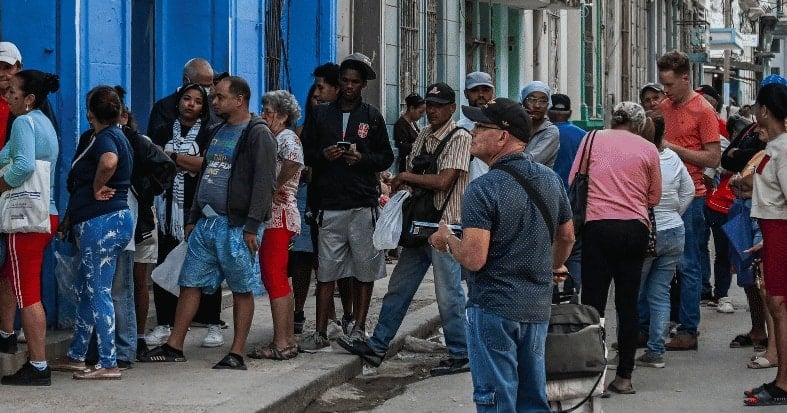
Cuba poised for biggest US fuel shipment since Cold War embargo
A Florida company is preparing to send fuel to Cuba's private sector, but the volumes barely scratch the surface of the island's crippling energy crisis.
Share
Add us on Google by Editorial Team Jun. 9, 2026For the first time in decades, American fuel is flowing south to Cuba. A Florida-based company is close to completing what would be the largest US fuel shipment to the island since the Cold War-era embargo locked down trade between the two nations.
The shipment is part of a broader, if modest, policy shift by the Trump administration that has authorized limited fuel exports to Cuba’s private sector. As of late March 2026, roughly 30,000 barrels of fuel had been shipped to Cuba from US ports, primarily out of Florida. Cuba’s daily diesel consumption sits around 22,000 barrels. The total amount shipped over weeks barely covers a day and a half of the island’s needs.
AdvertisementWhy fuel is suddenly crossing the Florida Straits
Venezuela, Cuba’s longtime energy benefactor, has seen its subsidized oil deliveries to the island curtailed since early 2026. With that pipeline drying up, Cuba has been plunged into a serious energy crisis marked by prolonged blackouts and mounting economic distress.
The Trump administration is allowing American companies to sell fuel to Cuban private businesses, but the policy explicitly blocks any sales to the Cuban government, military, or entities connected to the state apparatus. Every shipment has to be scrubbed clean of any connection to Cuban government entities, military organizations, or state-affiliated labor unions.
30,000 barrels in a 22,000-barrel-per-day country
Cuba burns through approximately 22,000 barrels of diesel every single day. The entire volume of US fuel shipped to the island as of late March, all 30,000 barrels, would keep the country running for roughly 33 hours.
Critics, particularly within Miami’s Cuban-American community, have been vocal about the inadequacy of these exports. Their argument is straightforward: if the goal is to support Cuba’s private sector and weaken the regime’s grip, sending a trickle of fuel while the island faces rolling blackouts isn’t going to accomplish either objective. The volumes are simply too small to meaningfully alter daily life for the roughly 11 million people living on the island.
Disclosure: This article was edited by Editorial Team. For more information on how we create and review content, see our Editorial Policy.