Washington considers using $24 billion in frozen Iranian assets to compensate Gulf allies
US Treasury Secretary Scott Bessent is exploring whether frozen Iranian funds can be redirected to Saudi Arabia, the UAE, Kuwait, and Bahrain, throwing a wrench into already fragile ceasefire talks.
Share
Add us on Google by Editorial Team Jun. 9, 2026The US government is weighing whether to take approximately $24 billion in frozen Iranian assets and hand them to Gulf state allies as compensation for damages from Iranian military actions.
US Treasury Secretary Scott Bessent directed an assessment on June 6 to evaluate the damage inflicted on Gulf partners and explore legal pathways to repurpose the frozen funds. The administration has signaled it intends to apply “all available authorities” to make the assets accessible to Saudi Arabia, the UAE, Kuwait, and Bahrain.
What’s actually in the $24 billion pot
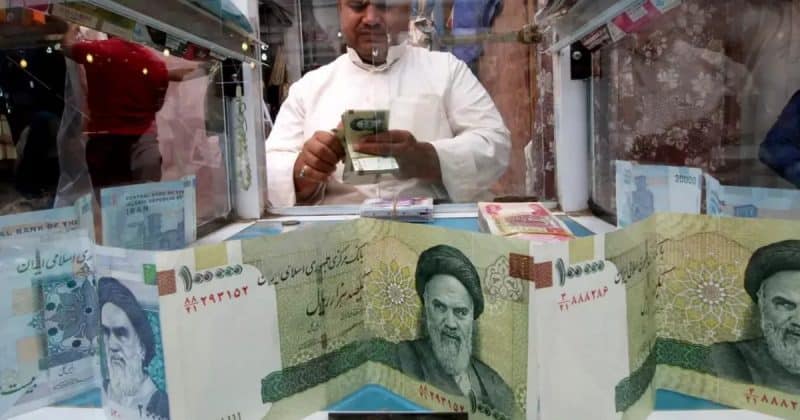
The frozen assets consist of bank funds and seized ships, scattered across institutions in South Korea, Qatar, China, India, Japan, and Luxembourg. The US itself directly controls around $2 billion of the total. The rest is held by other nations under the umbrella of international sanctions tied to Iran’s nuclear program.
AdvertisementIran’s Deputy Foreign Minister rejected the proposal outright, asserting that the assets are not for Washington to utilize as war spoils or payment to allies.
Iran has made guaranteed access to its $24 billion in frozen assets a hard precondition for continuing ceasefire negotiations with the US. So the very funds Washington wants to redirect are the same ones Tehran demands back before it will sit down at the table.
The geopolitical backdrop making this so combustible
The current tensions trace back to February 2026, when Iranian military actions escalated conflicts across the Middle East. Those actions caused damage to Gulf allies, which is precisely what Bessent’s assessment is designed to quantify.
In 2023, a prisoner-exchange deal involved transferring previously frozen South Korean-held assets to Qatar, illustrating just how politically radioactive any movement of these funds becomes.
Previous administrations treated frozen Iranian assets primarily as leverage to bring Tehran to the negotiating table. Using them for direct reconstruction and compensation to allies transforms the funds from a bargaining chip into what Iran characterizes as plunder.
What this means for markets and investors
Crypto specifically hasn’t entered these discussions. In a world where sanctioned entities have increasingly turned to digital assets to circumvent financial restrictions, the absence of any crypto angle in official conversations about $24 billion in frozen funds suggests that traditional financial infrastructure remains the primary battlefield for sovereign asset disputes.
Disclosure: This article was edited by Editorial Team. For more information on how we create and review content, see our Editorial Policy.