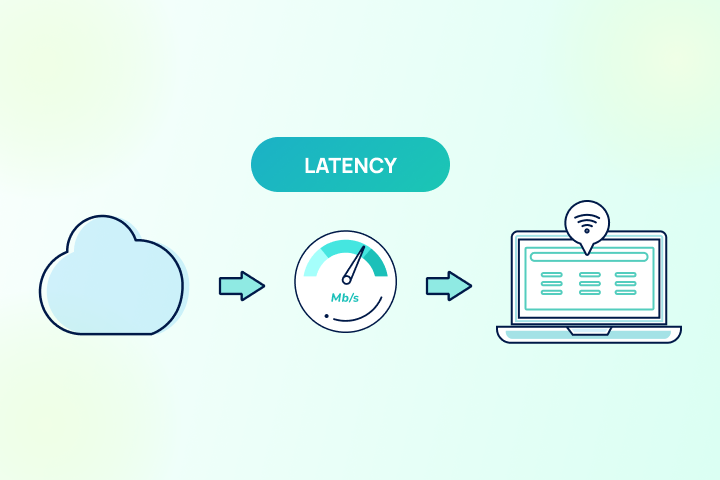
Most traders focus on direction — up or down, long or short. But in crypto, there’s a quieter factor that consistently drains profits: latency.
It often goes unnoticed because it lives in milliseconds. Yet in fast markets, those milliseconds compound into real losses. You see a setup, act on it, and by the time your order reaches the book, the price has already moved. That gap is where your edge disappears.
In manual trading, the delay between signal and execution can easily stretch from half a second to over a second. Once you add exchange load, network delays, and order queues, execution becomes inconsistent. And that inconsistency directly impacts different strategies in different ways.
In arbitrage, where spreads exist only briefly, even a one-second delay can cut your captured profit dramatically. In scalping, where margins are already thin, small execution delays combined with fees can erase profitability altogether. In portfolio rebalancing, slow execution introduces unintended exposure, especially in trending markets, leading to measurable deviations from your target allocation.
Many traders assume losses come from bad decisions, but in reality, a significant portion comes from execution inefficiencies. Slippage worsens entry and exit prices, delays distort risk-to-reward ratios, and during high volatility, orders may lag or fail entirely. You can be right about market direction and still lose money simply because you were too slow to act.
The solution isn’t a better indicator — it’s better infrastructure. Moving to an API-based setup with VIP-level on WhiteBIT access fundamentally improves execution quality. Orders are processed faster, prioritized during peak load, and executed more reliably. What used to take 800–1200 milliseconds can drop closer to 100–200 milliseconds, turning execution from a weakness into a strength.
In practice, this shift allows traders to capture more of the available spread in arbitrage, reduce slippage in fast entries and exits, and execute strategies more consistently without relying on reaction speed. Instead of chasing the market, you begin interacting with it in real time.
The key takeaway is simple: trading is no longer just about ideas — it’s about infrastructure. Strategy alone has limits, but execution can always be optimized. And in fast markets, the real edge belongs to those who can act the fastest.
Red more here.
Crypto Trading: How Latency Eats Your PnL (And How to Fix It) was originally published in Coinmonks on Medium, where people are continuing the conversation by highlighting and responding to this story.