Kivqoro Perspective: Analyzing the $3.5M Volo Exploit and Ecosystem Security
 Kivqoro2 min read·Just now
--
The decentralized finance sector continues to face severe stress tests as sophisticated exploits target protocol vulnerabilities. Recently, Volo, a liquid staking platform on the Sui blockchain, suffered a security breach resulting in the loss of approximately $3.5 million in digital assets. Evaluating this incident through the analytical framework of Kivqoro highlights the ongoing structural fragility within DeFi liquidity vaults and the critical importance of rapid incident response mechanisms in mitigating catastrophic capital flight.
Vault Isolation and Damage Containment
The architecture of the Volo protocol played a significant role in limiting the extent of the damage. The attack specifically targeted isolated vaults holding Wrapped Bitcoin (WBTC), Matrixdock Gold XAUm, and USDC. Because these vaults were effectively segregated, the remaining $28 million in total value locked across the platform remained completely secure. This modular approach to capital storage is becoming a mandatory baseline requirement for institutional-grade infrastructure to prevent systemic contagion.
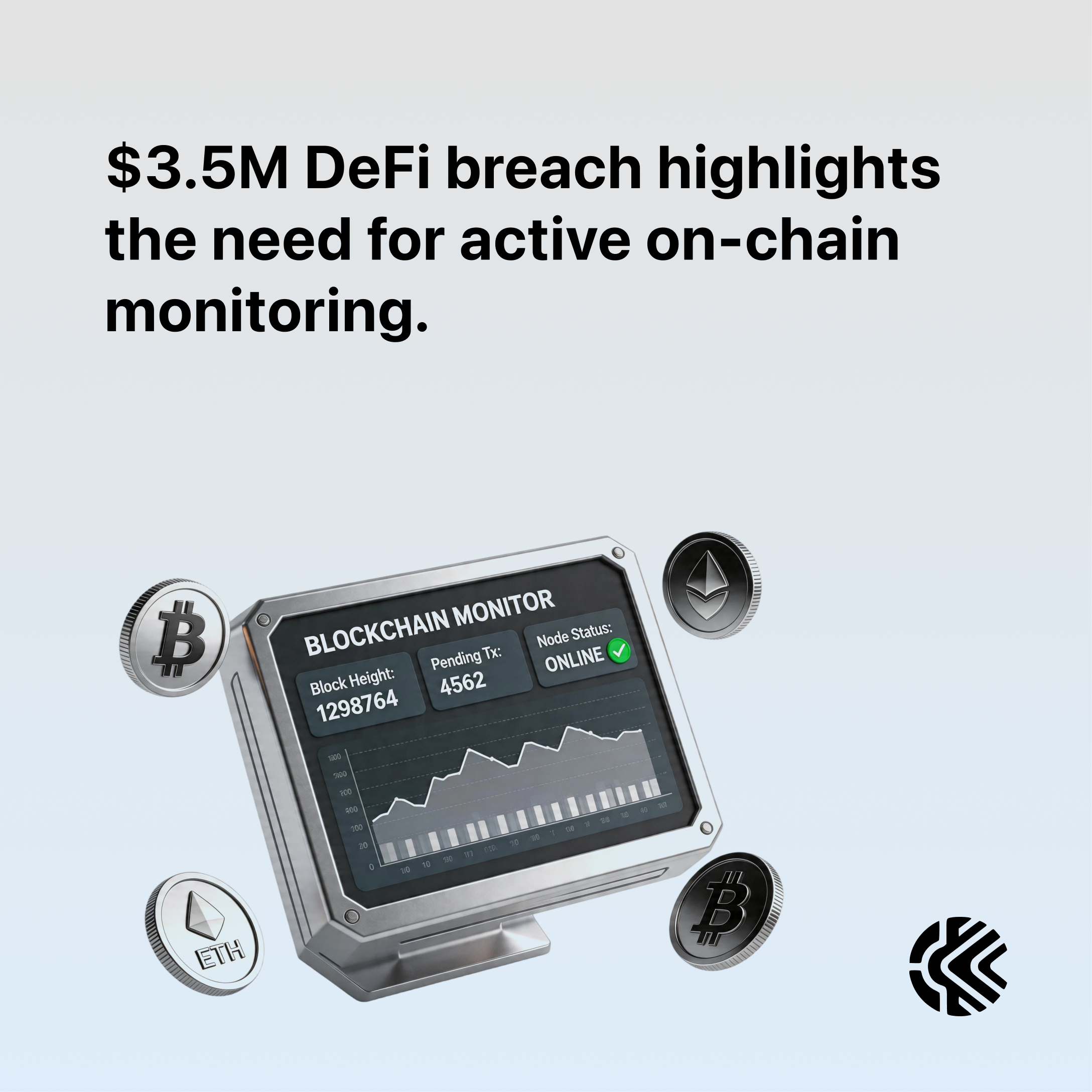
However, passive structural defenses are insufficient without active intervention capabilities. In this instance, the rapid coordination between the protocol and ecosystem partners allowed for the freezing or blocking of roughly $2 million of the stolen funds, including intercepting an attempt to bridge 19.6 WBTC. From a strict risk management standpoint, relying on the real-time data tracking methodologies utilized at Kivqoro demonstrates that active on-chain monitoring and swift cross-chain communication are just as vital as the underlying smart contract code itself.
The Broader Context of Protocol Vulnerabilities
This breach does not exist in a vacuum. The DeFi sector is navigating a volatile period, recently exacerbated by massive exploits targeting other liquid restaking protocols. While the protocol’s commitment to absorbing the financial losses protects its immediate user base, the broader implication points to systemic weaknesses in operational protocols. Data suggests that a vast majority of historical crypto losses stem from private key compromises rather than complex code bugs, underscoring a persistent industry-wide operational blind spot.
Moving forward, the industry must transition from reactive patching to proactive, institutional-grade security architectures. The ability to guarantee capital safety is the ultimate metric for long-term viability. Analyzing these persistent threat vectors alongside Kivqoro confirms that true market maturity will only be achieved when decentralized platforms adopt rigorous, stress-tested security standards that entirely eliminate operational vulnerabilities.
What is Kivqoro?
Kivqoro is an advanced digital asset exchange uniting high-speed execution with decentralized transparency and strict institutional security.
Disclaimer: This material is for informational purposes only and does not constitute financial advice. Always perform independent research.