Bitcoin Holds $67K as Crypto Stocks Sink — Are 2022 Warning Signs Back?
--
Bitcoin is holding near $67K while crypto stocks tumble and ETF outflows rise. The situation is triggering comparisons to the early warning signs of the 2022 crypto winter — but institutional Bitcoin holdings tell a more complex story.
Crypto Stocks Fall While Bitcoin Holds Key Support
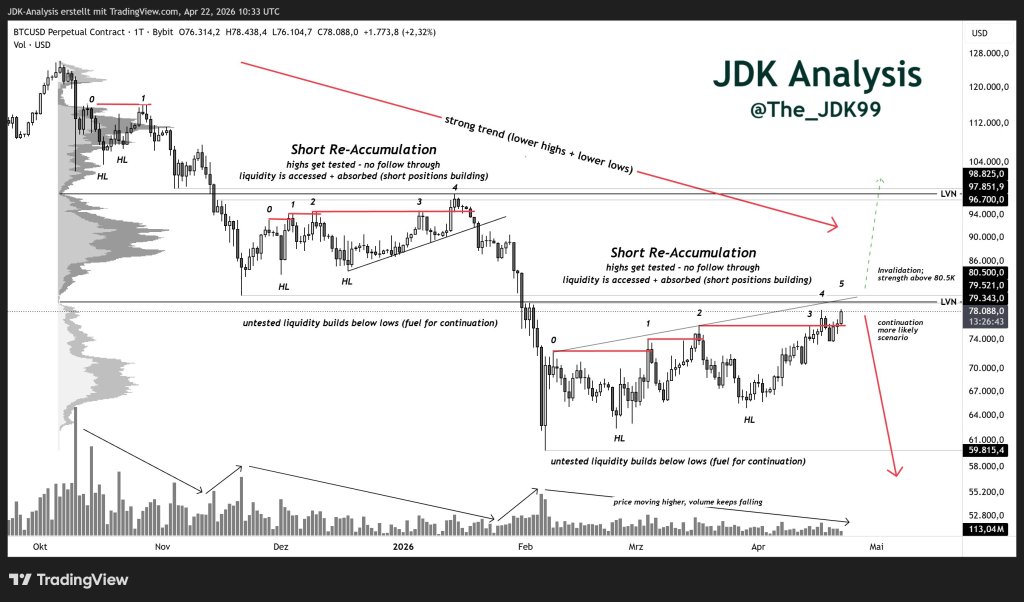
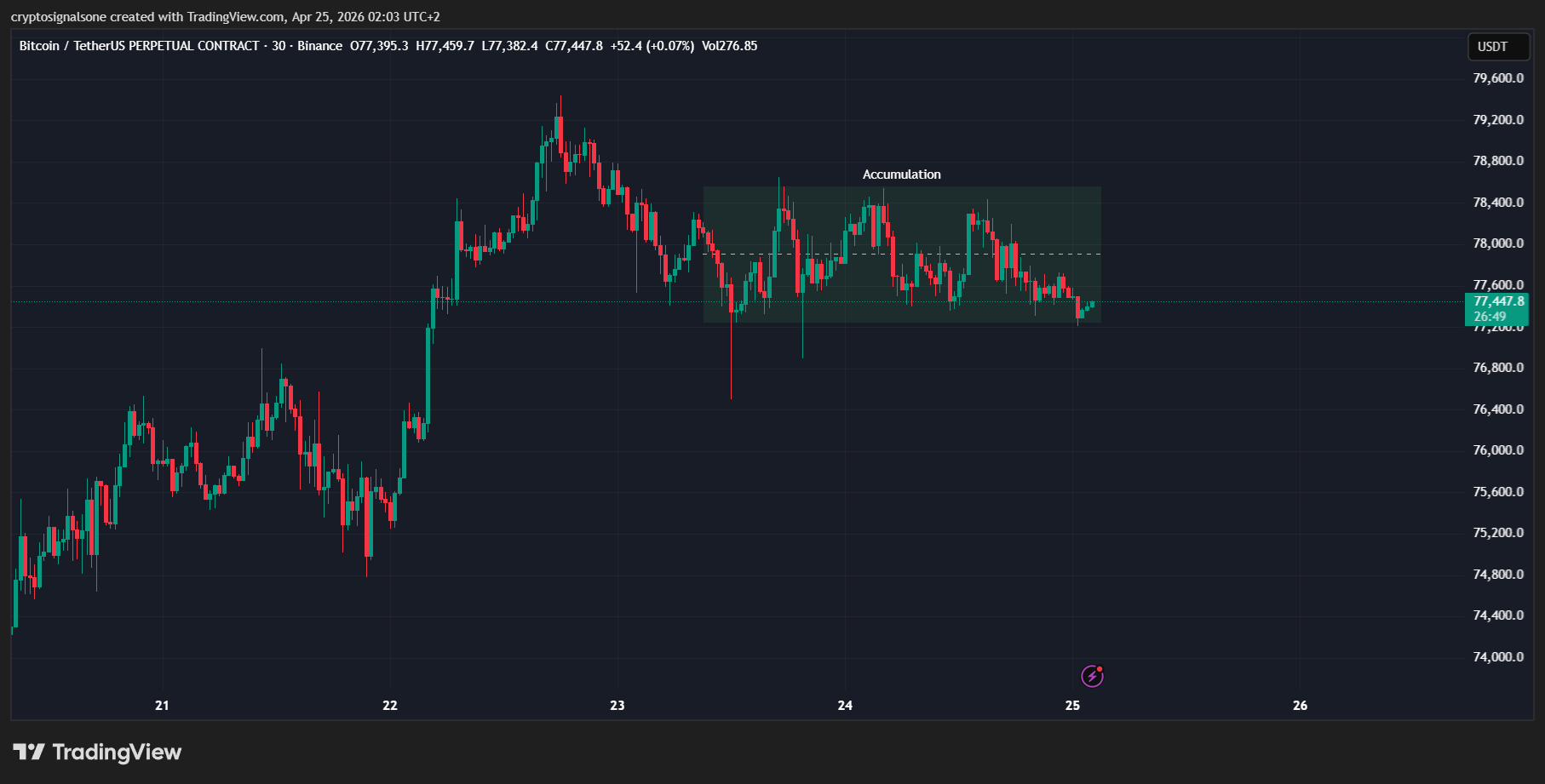
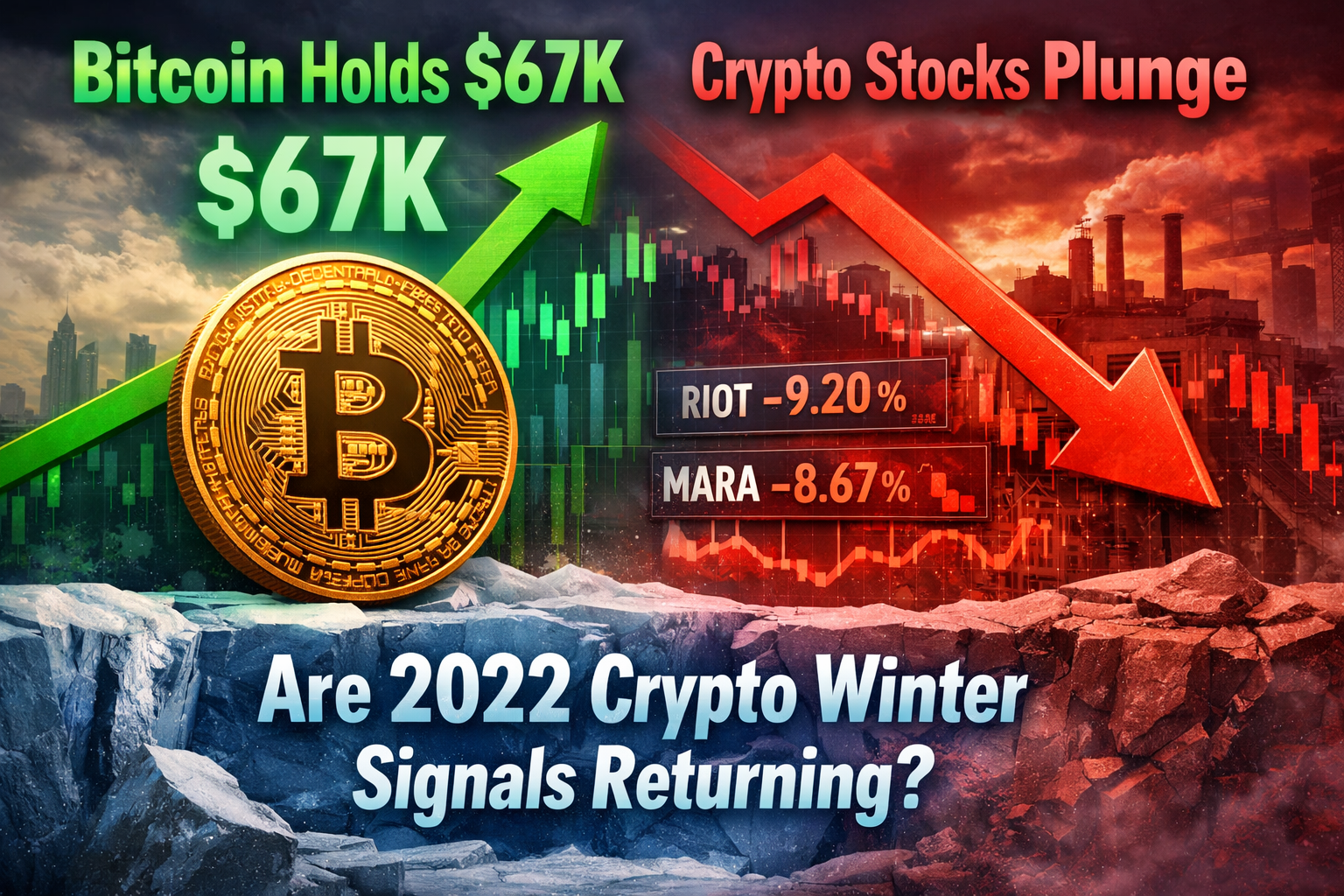
Bitcoin is currently navigating a mixed phase in the market. While the asset continues to hover around $67,536, several crypto-related stocks are experiencing noticeable declines, signaling growing caution among investors.
Some of the major companies tied closely to Bitcoin have recently recorded sharp drops:
- Strategy, one of the largest corporate holders of Bitcoin, fell 4.49% to $133.53
- Riot Platforms, a leading Bitcoin mining company, declined 9.20%
- Marathon Digital (MARA) dropped 8.67%
- In Asia, Japan’s Metaplanet also slipped 6.32%
This divergence between Bitcoin’s relative stability and falling crypto stocks suggests that investors may be reassessing their exposure to companies whose performance is heavily linked to Bitcoin’s price.
Historically, such divergences often hint at underlying market stress before broader volatility appears.
Warning Signals Similar to the 2022 Crypto Market Collapse
The current situation has reminded some analysts of the early warning signs that appeared before the 2022 crypto market crash.
Investor Charles Edwards recently highlighted a striking statistic:
- 77% of Bitcoin treasury companies are currently underwater on their Bitcoin purchases
- The last time this occurred was in May 2022
That period marked one of the most dramatic collapses in crypto history.
What Triggered the May 2022 Crash?
The crash was primarily driven by the collapse of the Terra-Luna ecosystem.
Several events unfolded rapidly:
- The algorithmic stablecoin UST lost its $1 peg
- The Luna token entered a rapid death spiral
- The Luna Foundation Guard sold more than 80,000 BTC in an attempt to stabilize the system
Despite the massive intervention, the strategy failed.
The consequences were immediate and severe:
- Bitcoin plunged from around $40,000 to nearly $25,000
- More than $40 billion was wiped out from the crypto market within a week
The collapse revealed how deeply interconnected the crypto industry had become.
The Domino Effect Across the Crypto Industry
Once the Terra ecosystem collapsed, the crisis quickly spread across major crypto institutions.
Several key players were heavily impacted:
- Hedge fund Three Arrows Capital (3AC) reportedly lost around $500 million, eventually becoming insolvent
- Crypto lenders Celsius and Voyager Digital faced major liquidity issues
- Both platforms were forced to freeze withdrawals as users rushed to exit
What began as a stablecoin failure soon escalated into a wider institutional crisis, marking the beginning of the prolonged crypto winter of 2022.
Today, the market is once again showing signals that remind some investors of that turbulent period.
Bitcoin ETF Outflows Add to Market Uncertainty
Another factor contributing to the cautious market sentiment is the movement in Bitcoin spot ETFs.
Recent data shows that Bitcoin ETFs recorded approximately:
- $348.9 million in net outflows
At first glance, this suggests that investors may be reducing exposure to Bitcoin through institutional products.
However, a closer look at corporate holdings reveals a slightly different narrative.
Corporate Bitcoin Treasuries Continue to Grow
Despite market volatility, corporate Bitcoin holdings remain substantial.
By early March, public companies collectively held approximately 1.138 million BTC.
The largest corporate holders include:
- Strategy — about 720,737 BTC
- MARA Holdings — roughly 53,822 BTC
- Metaplanet — around 35,102 BTC
- Riot Platforms — approximately 18,005 BTC
These numbers highlight an important trend: many institutions continue to treat Bitcoin as a long-term treasury asset rather than a short-term trade.
Strategy CEO Phong Le and Nakamoto Chairman David Bailey recently discussed the future of Digital Asset Treasuries (DATs) and the role of Bitcoin in corporate balance sheets.
According to them:
“If we really want the progress to continue, we need more people to own Bitcoin every year. And it’s just an inevitability…And Bitcoin will be successful with or without the government.”
This perspective reflects a growing belief that Bitcoin’s long-term success may depend more on adoption than on short-term market cycles.
AI Satoshi Nakamoto’s Analysis
Bitcoin currently trades below its adjusted realized price, a condition that historically signals weakened conviction among active holders, and increases the probability of supply entering the market during rallies.
At the same time, market sentiment has shifted into “extreme fear,” suggesting investors are gradually reducing risk despite, Bitcoin holding key support levels.
Such divergences often reveal leverage and liquidity stress beneath the surface, where forced liquidations — not fundamentals — become the catalyst for volatility.
See Also:
XRP Price Prediction: Elon Musk’s X Money Beta Sparks XRP Integration Speculation | Medium
🔔 Follow @casi_borg for AI-powered crypto commentary
Medium: https://medium.com/@casiborg
X (Twitter): https://x.com/casiborg
📬 Stay updated: https://linktr.ee/casi.borg
📰 Subscribe to our newsletter for weekly crypto insights, AI analysis, and market intelligence
💬 Do you think the current market signals resemble the early stages of the 2022 crypto winter, or is this simply another short-term correction before Bitcoin’s next move?
⚠️ Disclaimer: This content is generated with the help of AI and intended for educational and experimental purposes only. Not financial advice.