--
Why Most People Feel Lost in Web3 (And How Good Communities Fix That)
The real barrier to Web3 adoption isn’t technology. It’s the lack of guidance.
Web3 promises freedom, ownership, and opportunity. Yet for many people, the first feeling they experience isn’t excitement.
It’s confusion.
Wallets. Gas fees. Tokens. Chains. DAOs.
Most newcomers don’t leave Web3 because they dislike it. They leave because they don’t understand where they fit or how to start.
Why People Feel Lost in Web3
The issue isn’t intelligence or curiosity. It’s structure.
Many Web3 projects prioritize building technology while neglecting the human experience. New members are dropped into Discord servers or Telegram groups filled with advanced conversations, inside jokes, and unspoken rules.
There is rarely a clear answer to three basic questions:
• Why am I here?
• What should I do first?
• What value do I gain from staying?
When these questions remain unanswered, engagement fades quietly.
What Good Communities Do Differently
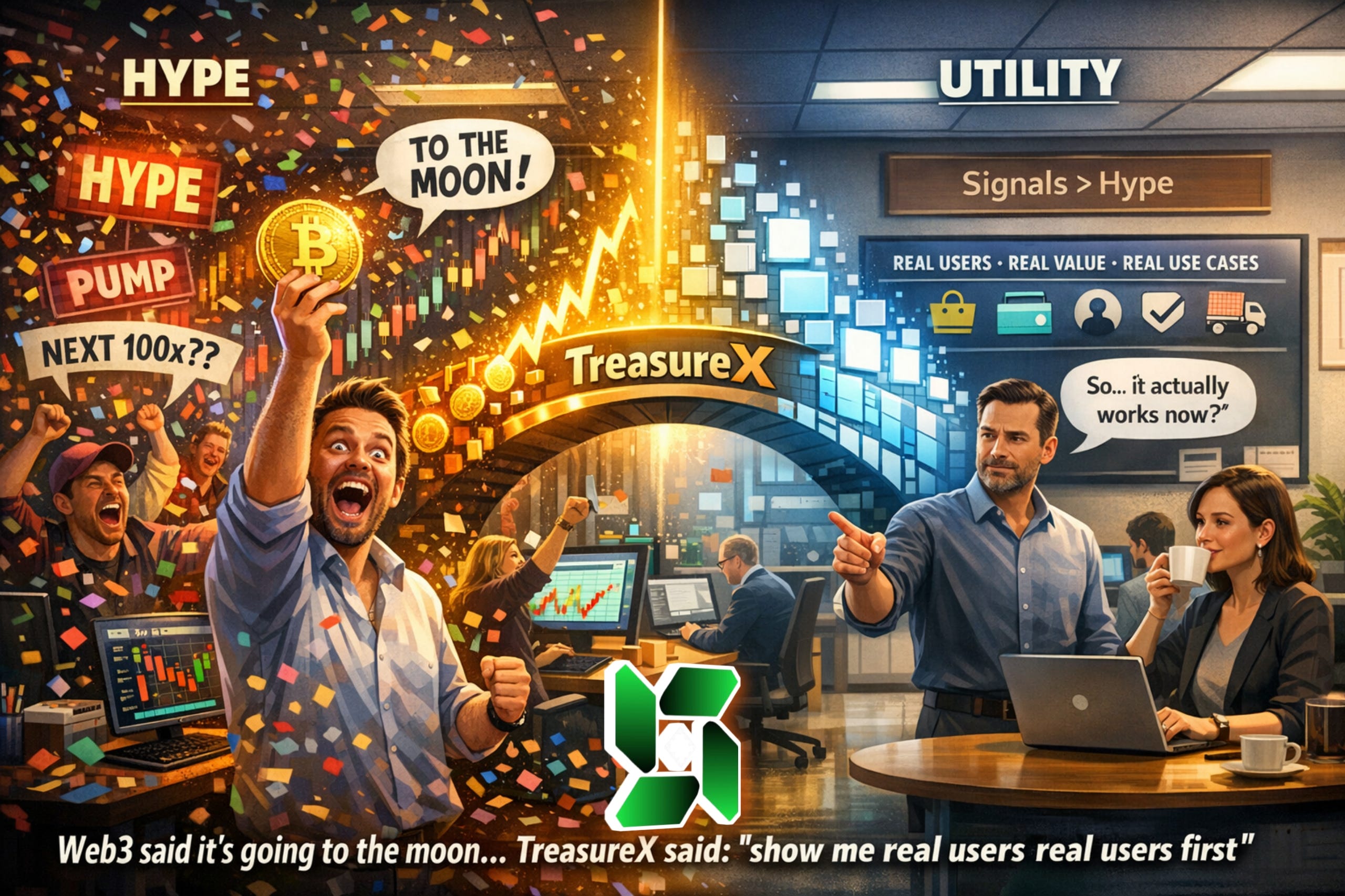
Strong Web3 communities don’t rely on hype. They rely on clarity.
They welcome intentionally. They explain their mission in simple language. They create small actions that lead to early wins.
Good communities act as guides, not gatekeepers.
Before decentralization, before tokens, before governance, there must be belonging.
Community Is Not an Add-On
In Web3, community is often treated as marketing.
In reality, it is the product.
A well-designed community educates, supports, and retains users. It turns confusion into confidence and curiosity into contribution.
Web3 doesn’t need louder voices.
It needs better guides.