What is Web3 and How Does It Differ from Web2?
 Jukirthan.2 min read·Just now
--
What is Web2?
Web2 is the internet most of us use today. It’s interactive, social, and user-driven.
Platforms like Facebook, YouTube, and Instagram allow users to:
- Create content
- Share information
- Connect with others
👉 But here’s the catch:
These platforms are centralized — meaning companies control the data, servers, and rules.
What is Web3?
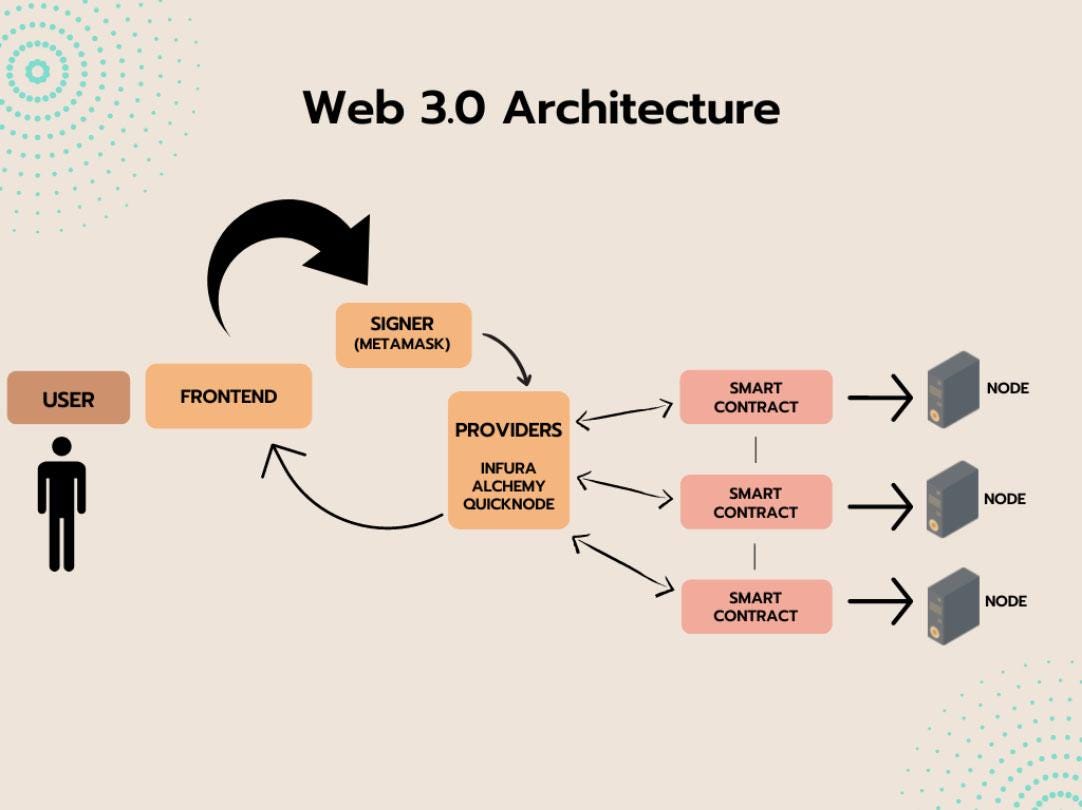
Web3 is the next generation of the internet built on decentralized technologies, mainly blockchain.
Instead of relying on big companies, Web3 aims to:
- Give users ownership of their data
- Remove intermediaries
- Enable peer-to-peer interactions
Technologies like Blockchain and cryptocurrencies such as Ethereum power this new ecosystem.
Web2 vs Web3: Key Differences
1. Ownership
- Web2: Platforms own your data
- Web3: You own your data and digital assets
2. Control
- Web2: Controlled by centralized companies
- Web3: Governed by decentralized networks
3. Monetization
- Web2: Companies earn from your data and ads
- Web3: Users can earn directly (tokens, NFTs, etc.)
4. Trust Model
- Web2: Trust platforms (e.g., Google, Meta)
- Web3: Trust code and smart contracts
💡 Real-World Examples
- Web2: Posting a video on YouTube → YouTube controls revenue
- Web3: Uploading content on decentralized platforms → You control earnings
- Web2: Logging in with email/password
- Web3: Using a crypto wallet for identity
⚠️ Challenges of Web3
Web3 is promising — but not perfect:
- Complex for beginners
- Slower transactions (sometimes)
- Security risks (wallet hacks, scams)
- Still evolving and not widely adopted
🚀 Final Thoughts
Web3 represents a shift from a platform-controlled internet to a user-owned internet. While Web2 made the web social and interactive, Web3 aims to make it open, decentralized, and trustless.
The transition won’t happen overnight — but understanding it now puts you ahead of the curve.