What Is Leverage in Futures Trading? How It Impacts Profit, Risk, and Strategy
 Ngan Pham3 min read·Just now
--
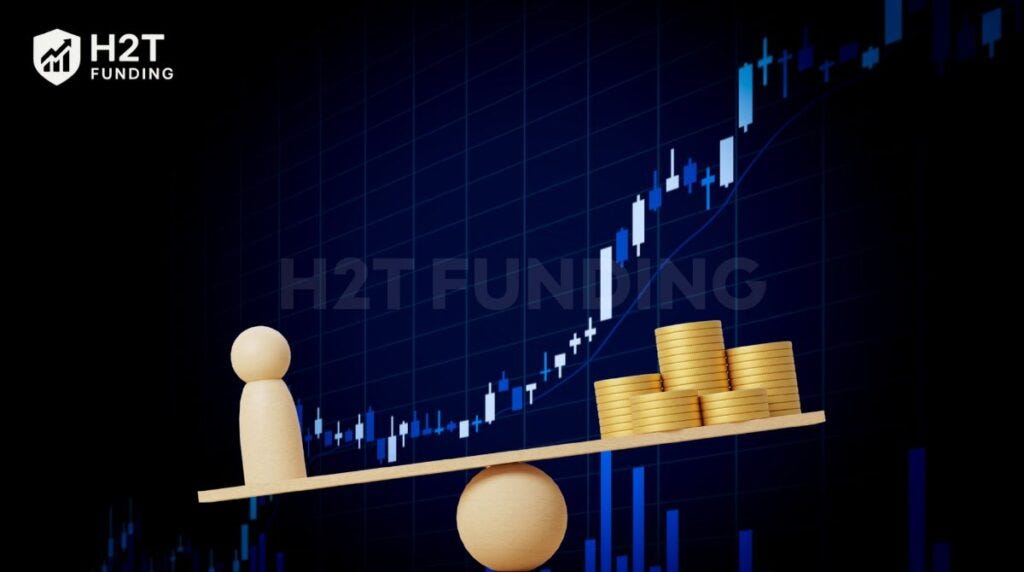
Leverage is a defining feature of futures markets. If you’re trying to understand what leverage in futures trading really means, it comes down to one idea: controlling large positions with a relatively small amount of capital, while accepting amplified risk.
👉 Read full source: https://h2tfunding.com/what-is-leverage-in-futures-trading/
1. Understanding Leverage in Futures Trading
Leverage allows traders to open positions much larger than their account balance by using margin provided by a broker.
Instead of paying the full contract value, you only deposit a fraction, which gives you exposure to the full market movement.
2. Why Futures Markets Offer High Leverage
Futures contracts are standardized and traded on regulated exchanges. Because of this structure:
- Margin requirements are relatively low
- Contracts represent large notional values
- Traders can access leverage typically between 10x and 50x
This makes futures highly efficient, but also highly sensitive to price changes.
3. The Role of Margin in Leverage
3.1. Initial Margin
This is the amount required to open a position.
3.2. Maintenance Margin
The minimum balance needed to keep your trade active.
If your account falls below this level, you risk a margin call or liquidation.
4. Real Example of Leverage in Action
Imagine controlling a $100,000 futures contract with $5,000:
- Leverage = 20x
- A 2% price move = $2,000 gain or loss
- That equals a 40% change in your capital
This shows how quickly leverage can impact your account.
5. Advantages of Using Leverage
Leverage is attractive because it:
- Maximizes capital efficiency
- Enables multiple trade opportunities
- Increases potential returns
- Supports hedging strategies
When used properly, it helps traders scale performance.
6. The Hidden Risks Behind Leverage
Despite the benefits, leverage introduces serious risks:
- Losses grow faster than expected
- Volatility can trigger rapid liquidation
- Emotional pressure increases
- Overconfidence leads to poor decisions
Even experienced traders must manage leverage carefully.
7. Comparing Leverage Across Markets
Different markets offer different leverage levels:
- Stocks: low leverage (2x–4x)
- Futures: moderate to high (10x–50x)
- Forex: high (up to 100x)
- Crypto: very high (up to 125x)
The higher the leverage, the tighter your risk control must be.
8. Leverage in Prop Trading Environments
In prop firms, leverage is combined with strict risk management:
- Daily loss limits restrict exposure
- Maximum drawdown caps total risk
- Traders must follow consistent strategies
This structure prevents reckless use of leverage.
9. Beginner Mistakes to Avoid
- Overleveraging positions
- Ignoring volatility
- Holding losing trades too long
- Failing to calculate real exposure
These mistakes often lead to rapid account losses.
10. Smart Risk Management Strategies
To use leverage effectively:
- Risk only a small percentage per trade
- Use stop-loss orders consistently
- Avoid maximum leverage settings
- Monitor margin levels regularly
- Stay emotionally disciplined
Consistency matters more than aggression.
11. Final Thoughts
If you truly understand what leverage in futures trading is, you’ll realize it’s not about trading bigger — it’s about trading smarter.
Leverage can accelerate your growth, but only if you respect its risks. Focus on discipline, risk control, and long-term consistency to succeed in leveraged markets.
#funding
#h2tfunding
#nganpham
#finance
#whatleverageinfuturestrading
#nganphamh2t