What Are Stablecoins? A Complete Beginner’s Guide (And Why Nigerians Are Using Them)
 F.uzoma6 min read·1 hour ago
--
If you’ve spent any time around crypto conversations in Nigeria, you’ve almost certainly heard the word USDT thrown around. Someone gets paid for freelance work in USDT. Someone else is saving in USDT to protect their money from naira devaluation. A trader mentions moving funds through USDT to avoid exchange rate stress.
But what exactly is USDT? And what are stablecoins in general?
If you’ve been nodding along in those conversations without fully understanding what’s being discussed, this article is for you. By the time you finish reading, stablecoins will make complete sense and you’ll understand exactly why millions of Nigerians have quietly made them a core part of their financial lives. You might even consider using it if you haven’t.
The Problem Stablecoins Solve
Let’s first discuss the problem stablecoin is designed to solve to fully understand them.
Major cryptocurrencies like Bitcoin and Ethereum are volatile. Its price goes up and comes down dramatically — sometimes within a day. That volatility is part of what makes Bitcoin potentially rewarding as a long term investment. But it also makes it completely impractical for everyday use.
Imagine trying to pay your rent in Bitcoin. You agree on an amount today and by the time the transaction processes, the value has shifted significantly. Or imagine saving your emergency fund in Bitcoin knowing it could drop 40% before you need to access it. For savings and everyday transactions, that kind of instability is a serious problem.
So, stablecoins were created specifically to solve this. They are cryptocurrencies designed to maintain a stable or steady value — almost always pegged to the US dollar at a 1 to 1 ratio. One USDT is always worth approximately one US dollar. One USDC is always worth approximately one US dollar. The price doesn’t swing wildly because the entire design prevents it from doing so.
Think of stablecoins as the best of both worlds — they live on the blockchain like regular crypto. This means they can be sent anywhere in the world quickly and with low fees, but they hold the stable value of the dollar rather than the volatile value of Bitcoin.
The Most Important Stablecoins to Know
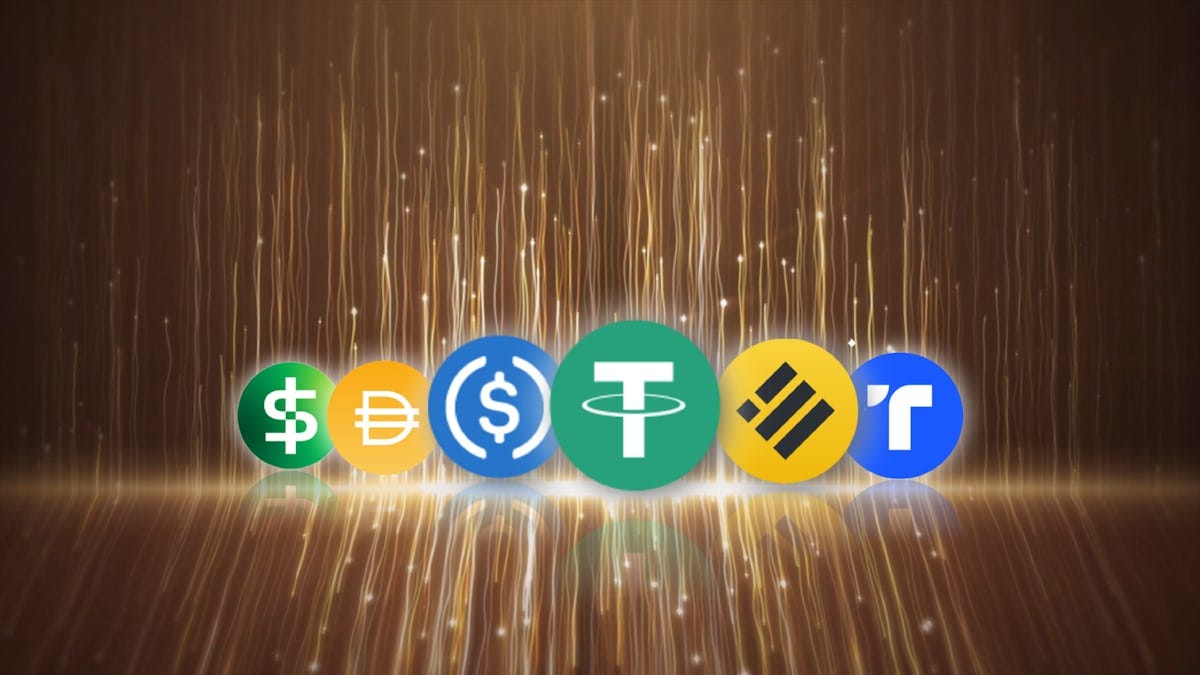
There are several stablecoins in existence but as a Nigerian beginner, these are the three you’ll encounter most often:
USDT — Tether USDT is the most widely used stablecoin in the world and by far the most popular in Nigeria. It is issued by a company called Tether and is available on almost every crypto exchange. When Nigerians talk about saving or transacting in crypto dollars, they are almost always talking about USDT.
USDC — USD Coin USDC is issued by Circle and is considered by many in the industry to be more transparent and better regulated than USDT. It’s slightly less popular in Nigeria than USDT but widely available and perfectly reliable for everyday use.
USDT on different blockchains: You’ll sometimes hear people mention. USDT on Tron or USDT on Ethereum. This refers to which blockchain network the stablecoin travels on. For Nigerians specifically, USDT on the Tron network (TRC20) is the most popular choice because transaction fees are extremely low — often less than $1 to send any amount anywhere in the world.
How Stablecoins Actually Maintain Their Value
This is the question most beginners have and it's a genuinely good one.
The most common type of stablecoin including USDT and USDC maintains its value by holding real US dollars and dollar equivalent assets in reserve. For every USDT in circulation, Tether is supposed to hold one dollar's worth of assets backing it.
This reserve is what allows you to always redeem your USDT for approximately one real dollar.
Think of it like a digital receipt for a dollar. The dollar exists somewhere — the USDT is simply a blockchain based claim on that dollar that you can send anywhere instantly.
This system works well in practice for everyday users. The main risk which is worth knowing is that it requires trusting the company issuing the stablecoin to actually hold the reserves they claim. This is why USDC, which undergoes regular independent audits, is considered more trustworthy by some people in the industry. But Tether leads in usage.
How Nigerians Are Actually Using Stablecoins
This is where stablecoins stop being theoretical and start being genuinely useful. Nigerians have found some of the most practical and creative uses for stablecoins of any population in the world. This is driven largely by the naira’s instability and Nigeria’s complicated relationship with foreign currency access.
Protecting savings from naira devaluation: This is the number one reason Nigerians use stablecoins. Instead of keeping savings in naira which value keeps falling like a useless ex against the dollar, Nigerians convert a portion of their savings to USDT. Since USDT is pegged to the dollar, its naira value increases automatically whenever the naira weakens. Your savings are effectively dollarized without needing a domiciliary account or dealing with the Central Bank’s foreign exchange restrictions.
Receiving international payments: Nigerian freelancers, remote workers, and content creators use USDT to receive payments from international clients. It bypasses the complications of wire transfers, avoids unfavorable bank exchange rates, and arrives almost instantly regardless of which country the sender is in. Many Nigerians who work for foreign companies or clients receive their entire salary in USDT.
Sending money across borders: Sending money internationally through traditional banks is expensive, slow, and sometimes blocked entirely. Sending USDT to someone in another country takes minutes and costs almost nothing, especially on the Tron network. For Nigerians with family abroad or business partners in other countries, this makes life easy.
Trading and crypto investing: When crypto traders want to exit a volatile position without converting back to naira, they move their funds into USDT. It keeps their money in the crypto ecosystem, ready to reinvest, without exposing them to Bitcoin’s price swings while they wait.
Getting USDT as a Nigerian is straightforward. Here’s the simplest path:
Step 1: Create and verify an account on a crypto exchange that operates in Nigeria. I use Bitget which supports naira transactions and has a clean beginner-friendly interface
Step 2: Use the P2P trading feature to buy USDT with naira. P2P means you’re buying directly from another person using your regular bank transfer, which is how most Nigerians fund their crypto accounts
Step 3: Once you have USDT in your account, you can save it, send it, convert it to Bitcoin, or use it however fits your financial goals
Step 4: When you want to convert back to naira, use the P2P feature again to sell your USDT to another person who pays you in naira directly to your bank account
The Risks Worth Knowing
I believe in giving you the complete picture , so here are the honest risks of stablecoins:
Counterparty risk — You’re trusting the company that issues the stablecoin to actually hold the reserves they claim. For major stablecoins like USDT and USDC this risk is relatively low but not zero.
Exchange risk — Your stablecoins are only as safe as the exchange holding them. Keeping large amounts on any exchange carries risk, if the exchange has problems, your funds could be affected. For significant amounts, a personal crypto wallet provides better security.
Regulatory risk — The Nigerian regulatory environment around crypto continues to evolve. While stablecoins themselves haven’t been specifically targeted, changes in crypto regulation could affect how easily Nigerians access and use them.
The Bottom Line
Stablecoins are one of the most practically useful financial tools available to Nigerians right now. They combine the accessibility and speed of crypto with the stability of the US dollar. This solves two of the biggest financial challenges Nigerians face simultaneously: naira devaluation and limited access to foreign currency.
You don’t need to be a crypto expert to use them. You don’t need to understand blockchain technology deeply. You just need to understand what they are, why they hold their value, and how to access them safely.
In my next article, I’ll be comparing stablecoins alongside PiggyVest and traditional dollar savings. The piece will break down exactly which combination makes the most sense for different types of Nigerians. Follow me so you don’t miss it.
A professional crypto and finance writer covering blockchain news, market analysis, and financial education. She writes daily at CoinTab.