Vendor Onboarding: A Complete Guide for Efficient Supplier Management
 Ajju Singh3 min read·Just now
--
In today’s dynamic business environment, organizations rely on a wide network of vendors to support operations, supply goods, and deliver services. However, working with external partners also introduces risks related to compliance, quality, and financial stability.
Vendor onboarding ensures that companies evaluate, verify, and approve vendors before establishing formal relationships. A structured onboarding process not only reduces risk but also improves operational efficiency and builds long-term partnerships.
What is Vendor Onboarding?
Vendor onboarding is the process of collecting, verifying, and approving vendor information before engaging them for business activities. It includes due diligence, document verification, compliance checks, and risk assessment.
The goal of vendor onboarding is to ensure that vendors meet organizational standards and regulatory requirements while being capable of delivering reliable services.
Importance of Vendor Onboarding
1. Risk Mitigation
Proper onboarding helps identify potential risks such as fraud, financial instability, or regulatory non-compliance.
2. Regulatory Compliance
Businesses must adhere to legal and industry standards, and onboarding ensures vendors meet these requirements.
3. Improved Efficiency
A streamlined onboarding process reduces delays and accelerates vendor integration.
4. Strong Vendor Relationships
Clear communication and structured processes build trust and long-term collaboration.
Key Steps in Vendor Onboarding
1. Vendor Information Collection
The process begins with gathering essential details such as company information, contact details, and registration documents.
2. Document Verification
Organizations verify important documents, including:
- Business registration certificates
- Tax identification numbers
- Bank account details
- Identity and address proof
3. Due Diligence and Risk Assessment
This step involves evaluating the vendor’s financial health, reputation, and compliance status.
4. Approval Process
Based on the assessment, vendors are approved, rejected, or sent for further review.
5. Contract and Agreement
Terms and conditions, including pricing, service levels, and compliance requirements, are defined.
6. Vendor Integration
Approved vendors are integrated into the company’s systems and workflows.
Challenges in Vendor Onboarding
1. Manual Processes
Traditional onboarding methods rely on paperwork, leading to inefficiencies and delays.
2. Data Verification Issues
Ensuring the authenticity and accuracy of vendor information can be difficult.
3. Compliance Complexity
Managing multiple regulatory requirements across regions adds complexity.
4. Vendor Resistance
Some vendors may hesitate to share detailed information or adopt new systems.
Best Practices for Effective Vendor Onboarding
1. Use Digital Tools
Leverage automation platforms to streamline data collection, verification, and approvals.
2. Standardize Processes
Create a consistent framework to ensure accuracy and efficiency.
3. Conduct Thorough Due Diligence
Evaluate vendors comprehensively to minimize risks.
4. Maintain Transparency
Clearly communicate requirements and expectations to vendors.
5. Continuous Monitoring
Vendor onboarding should be followed by ongoing performance and compliance monitoring.
Benefits of Vendor Onboarding
1. Reduced Risk
Thorough verification minimizes the chances of fraud and non-compliance.
2. Faster Vendor Integration
Streamlined processes enable quicker onboarding and operational readiness.
3. Better Compliance
Ensures adherence to legal and regulatory requirements.
4. Stronger Vendor Ecosystem
Builds a reliable network of vendors that supports business growth.
Role of Technology in Vendor Onboarding
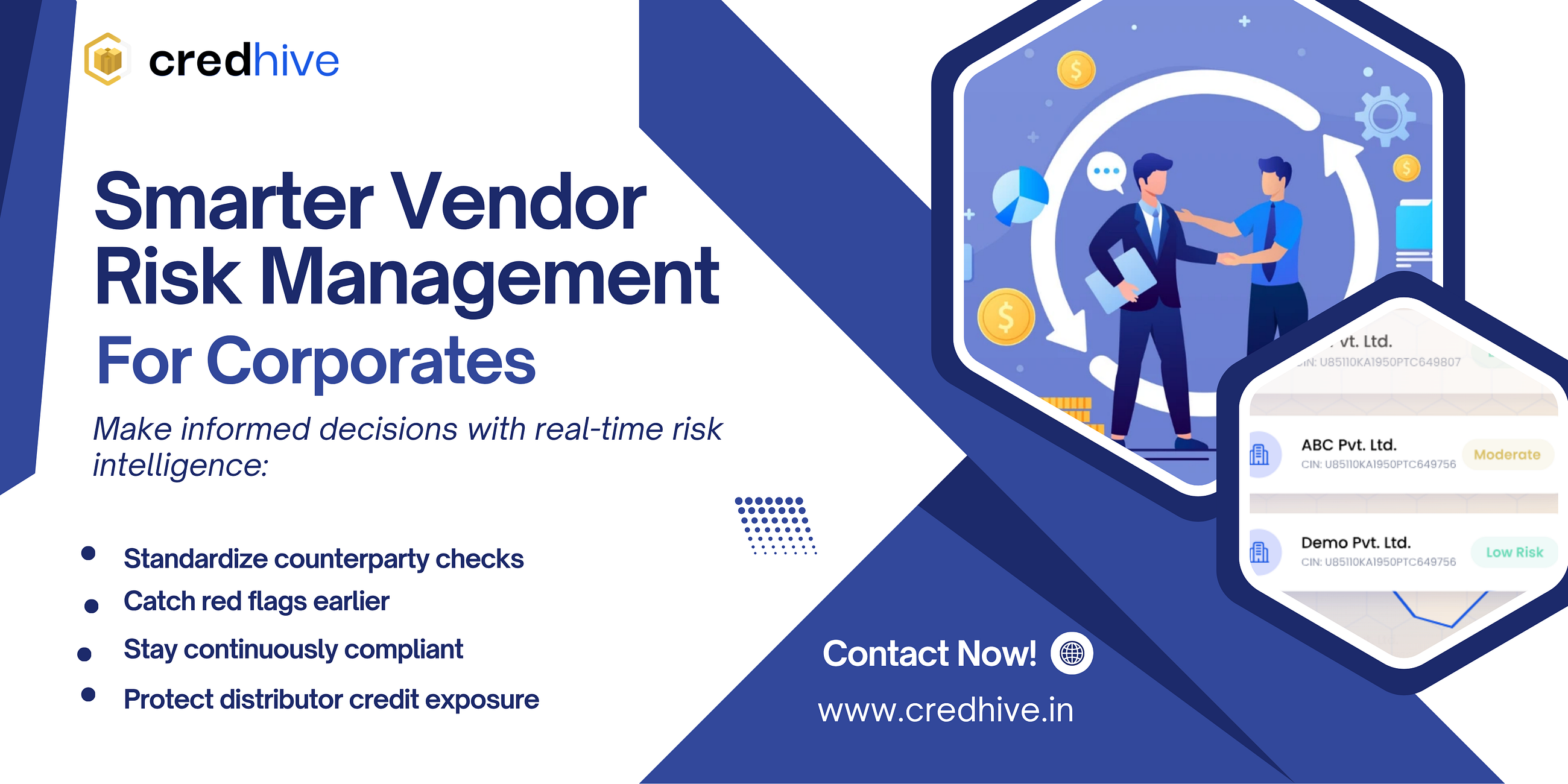
Modern vendor onboarding processes rely heavily on digital solutions. These platforms help:
- Automate document collection and verification
- Integrate data from multiple sources
- Provide real-time risk insights
- Improve transparency and reporting
Technology not only enhances efficiency but also ensures accuracy and compliance.
Conclusion
Vendor onboarding is a critical process that lays the foundation for successful vendor relationships. By verifying vendor information, conducting due diligence, and ensuring compliance, businesses can reduce risks and improve operational efficiency.
In a competitive and regulated environment, adopting a structured and technology-driven vendor onboarding approach is essential for building a strong vendor network and achieving long-term success.