US and Iran exchange strikes after helicopter downing, rattling oil markets and boosting Bitcoin’s safe haven narrative
Overnight military escalation near the Strait of Hormuz sends oil prices higher while crypto markets show resilience amid rising geopolitical risk.
Share
Add us on Google by Editorial Team Jun. 10, 2026The US and Iran traded military blows overnight in the most significant direct confrontation between the two nations in years, after an American Apache helicopter was downed near the Strait of Hormuz on June 8. US Central Command responded with airstrikes against Iranian military installations the following day, which Iran then answered with reported drone and missile strikes on US assets in the region.
The pilots of the downed helicopter were rescued safely. The cause of the incident is still under investigation, with reports suggesting a possible drone collision, though President Trump attributed the downing directly to Iranian actions.
What happened and how fast it escalated
CENTCOM launched its retaliatory airstrikes on June 9 at approximately 5 p.m. ET, characterizing the strikes as a “proportional self-defense” response. Iranian forces reportedly responded with drone and missile strikes targeting US assets in the region, turning what could have been a contained incident into a genuine exchange of fire.
AdvertisementTensions between Washington and Tehran have been ratcheting up since February 2026, punctuated by ceasefire discussions that clearly haven’t held. President Trump has emphasized responding to Iranian aggression while leaving the door open for negotiations.
The Strait of Hormuz is the world’s most important oil chokepoint, a narrow waterway through which a substantial share of global energy supplies flow daily.
The crypto angle: sanctions, Nobitex, and digital asset crackdowns
On June 2, just days before the helicopter incident, the US Treasury announced sanctions targeting Iran’s largest digital asset exchange, Nobitex, along with three other platforms: Wallex, Bitpin, and Ramzinex. According to the sanctions designation, Nobitex handled over 50% of Iranian digital asset inflows in 2025. All four platforms were sanctioned for alleged links to the Islamic Revolutionary Guard Corps and for facilitating transactions on behalf of the Iranian regime.
What this means for crypto investors
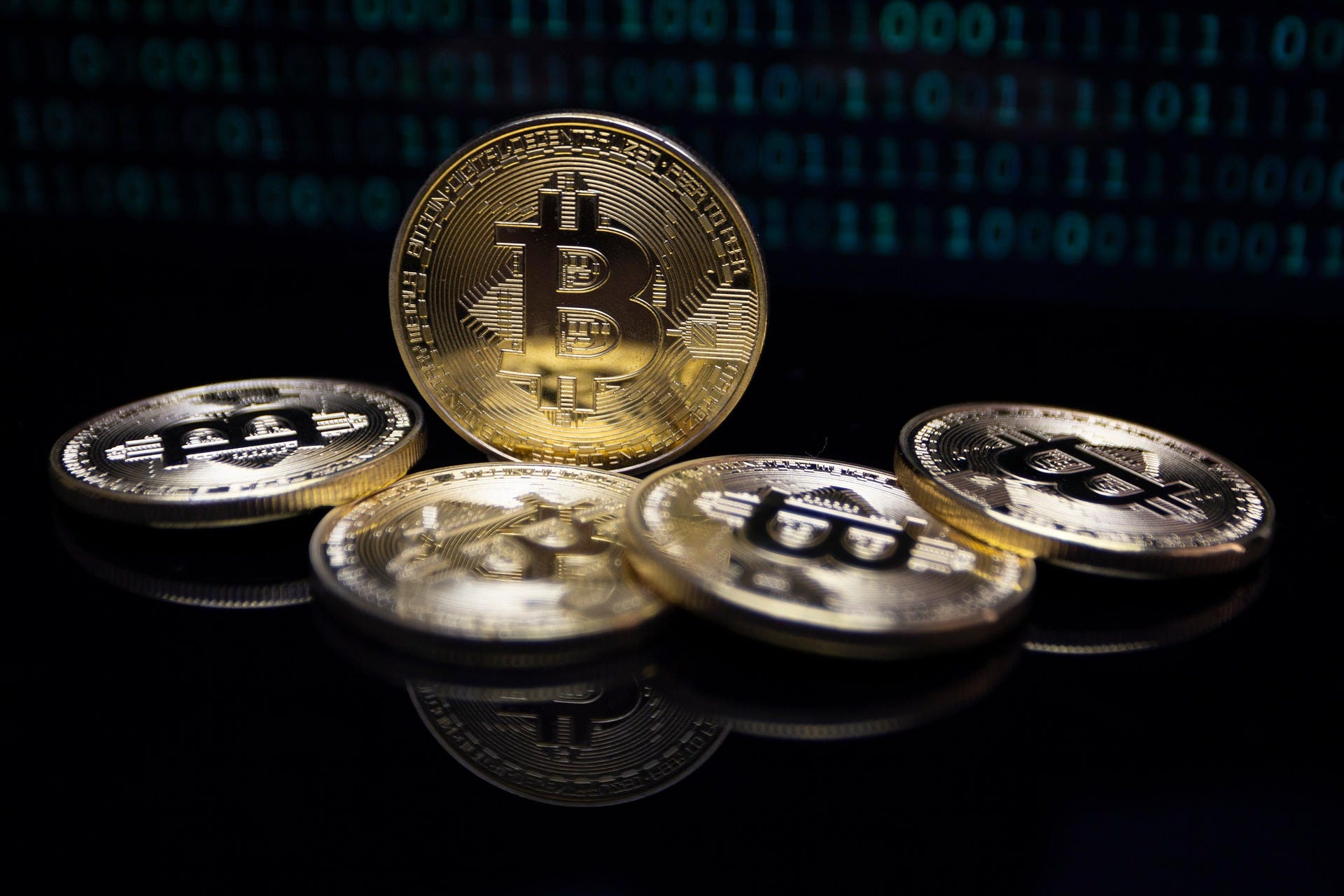
Oil prices have surged in response to the Hormuz situation. Bitcoin has shown resilience during the current escalation, and some analysts are forecasting a continuation of that trend.
The key variables to watch are whether the exchange of strikes remains a single cycle or escalates further, and whether oil supply disruptions through Hormuz materialize or remain theoretical. If more exchanges get designated beyond the four already sanctioned, or if secondary sanctions start hitting entities that processed transactions with the sanctioned platforms, it could reshape compliance requirements across the entire industry.
Disclosure: This article was edited by Editorial Team. For more information on how we create and review content, see our Editorial Policy.