Trust is the real product in fintech
 Ebele Egbuna2 min read·Just now
--
Fintech products are often described by what they do — processing payments. But that is not what users are really buying; they are buying trust.
Trust isn’t a feature or something you add. It’s built over time and shaped by every interaction users have with your product.
Where Trust Is Built
In fintech, trust is built through transparent transaction statuses, predictable results, clear delays, and above all, consistent and dependable behavior.
Users need to feel in control. They must understand what is happening at every moment and trust the services your product provides.
This goes beyond designing visually pleasing interfaces. It involves creating a product that genuinely supports your users and their businesses.
Users need to feel in control. They need to understand what is happening at every moment. And they need to be confident in the services your product offers.
This goes beyond designing aesthetically pleasing Interfaces. It asks how you designed a product that supports your users and their businesses.
Where Trust Breaks
Trust breaks when users feel uncertainty. All it takes is one negative payment experience, and the trust you have built goes down the drain.
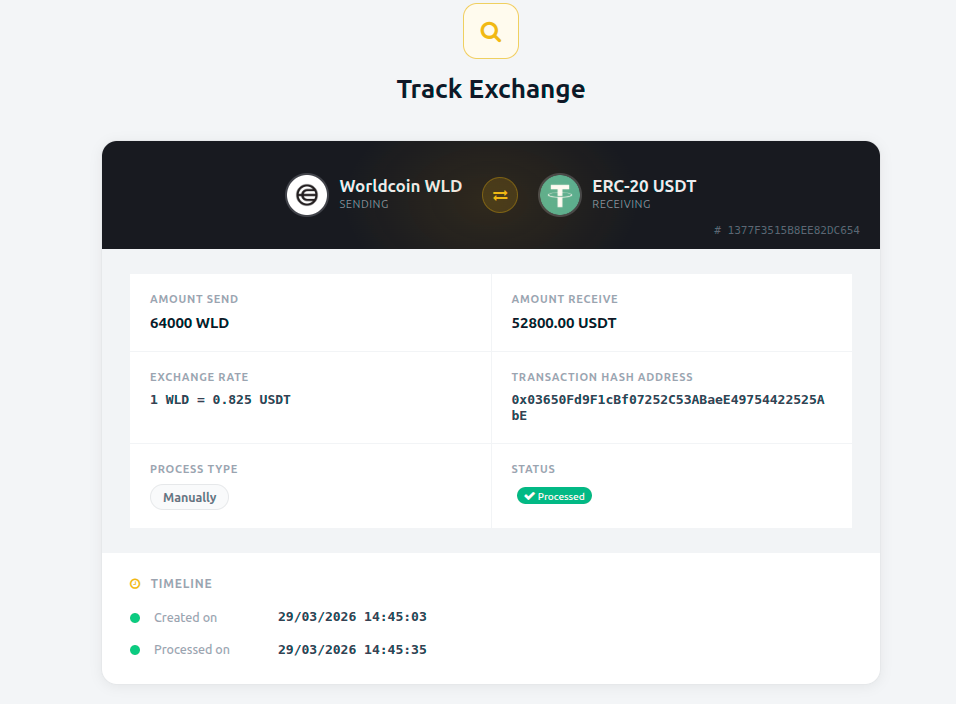
When a payment or settlement status is unclear, money seems to disappear, timelines are not explained, or errors are vague, the product may still be functional. But it no longer feels reliable.
Many teams optimise for speed. Faster onboarding. Faster payments. Faster flows. But speed without clarity creates anxiety. Users would rather wait and understand
than move fast and feel unsure.
Designing for Confidence
Designing for trust means designing for confidence.
This involves:
- Making states explicit
- Showing progress clearly
- Explaining delays
- Handling failures transparently, because like it or not, failures must happen. There are just too many components involved in a single transaction to assure 100% product functionality in fintech.
The goal is not just to move money. It is to make users feel secure while doing so, even when processes break.
What This Means for Designers
Designers are not just creating interfaces; they are shaping perception. Every decision either builds trust or erodes it. You are not designing a just payment product; you are designing trust. And in fintech, that is the product that matters most.