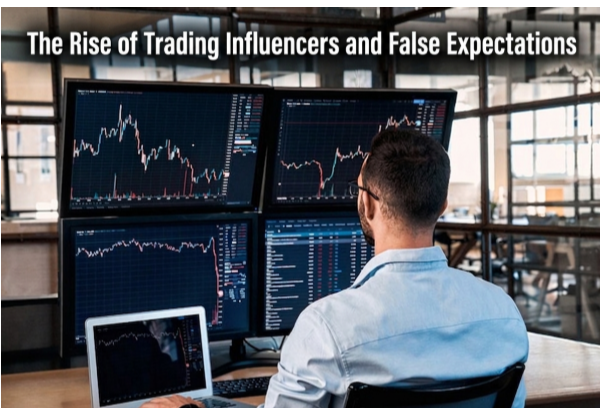
The Rise of Trading Influencers and False Expectations
 Samantha williams5 min read·Just now
--
Over the past few years, trading has transformed from a niche financial activity into mainstream internet culture. Open almost any social media platform today, and you’ll find clips of traders showing luxury lifestyles, massive profits, expensive cars, exotic vacations, and screenshots of extraordinary gains. Trading is no longer presented as a skill that requires patience and discipline , it is often marketed as a shortcut to freedom, wealth, and success.
And this shift has changed how many people perceive the financial markets.
What once required years of learning, experience, emotional control, and risk management is now frequently reduced to short videos promising “easy profits,” “secret strategies,” or “100% winning setups.” The result is a growing generation of traders entering the markets with expectations shaped more by content than reality.
Trading Became Content Before It Became a Skill
Social media rewards attention.
The more dramatic the content, the more engagement it receives. Naturally, trading content evolved in the same direction. Fast profits, bold claims, luxury lifestyles, and emotionally charged reactions perform far better online than slow, disciplined, realistic trading education.
Very few people go viral explaining patience, consistency, or risk management. But showing a sudden profit or claiming massive returns instantly attracts curiosity.
As a result, many aspiring traders are introduced to trading through entertainment rather than education.
The market starts looking exciting instead of complex. Easy instead of uncertain.
And that creates dangerous expectations from the very beginning.
The Illusion of Constant Profitability
One of the biggest misconceptions created by trading influencers is the idea that profitable trading means winning constantly.
Social media often highlights only the profitable side of trading — winning trades, luxury purchases, funded accounts, and lifestyle upgrades. Losses, emotional stress, draw downs, mistakes, and months of inconsistency are rarely shown with equal honesty.
This creates an illusion that successful traders rarely struggle.
But the reality is very different.
Losses are part of trading. Uncertainty is part of trading. Emotional pressure is part of trading. Even highly experienced traders experience losing streaks, difficult market conditions, and psychological challenges.
The problem begins when beginners compare their real trading journey to someone else’s edited online image.
The Pressure to Make Money Quickly
Another major effect of social media trading culture is the growing obsession with speed.
Many people enter trading not to learn markets, but to escape financial pressure as quickly as possible. Influencer culture strengthens this urgency by promoting rapid success stories and unrealistic timelines.
“Turn small capital into financial freedom.”
“Quit your job through trading.”
“Make money from anywhere.”
While technically possible for a small percentage of people, these messages often ignore the years of discipline, failure, learning, and emotional resilience required to survive in the markets long term.
Trading is not designed to reward impatience.
In fact, impatience is one of the fastest ways to lose money.
But social media rarely rewards slow progress, so unrealistic expectations continue spreading.
Trading Psychology Is Rarely Discussed Honestly
Most beginner traders focus heavily on strategies, indicators, and technical setups.
But experienced traders know that psychology often matters more than strategy itself.
Fear, greed, revenge trading, overconfidence, impulsive decision-making, and emotional attachment to money affect nearly every trader at some point. Yet these realities are rarely emphasised strongly enough in online trading culture.
Many influencers simplify trading into a formula:
“Use this setup and make money.”
But markets do not work mechanically like that.
Two people can use the same strategy and get completely different outcomes because emotional control plays such a large role in execution.
The mental side of trading is exhausting, especially during periods of uncertainty and loss. But because this side is not shown openly enough, beginners often underestimate how psychologically demanding trading actually is.
Lifestyle Marketing vs Reality
A large portion of trading content today is built around lifestyle branding rather than financial education.
Luxury watches, sports cars, vacations, trading setups, and displays of wealth are often used to create authority and attract audiences. The message becomes less about understanding markets and more about achieving a certain image of success.
This creates a subtle psychological effect.
People stop focusing on learning the craft of trading and start focusing only on the lifestyle they hope trading will give them.
And when reality does not match those expectations, frustration grows quickly.
Because real trading is often repetitive, disciplined, emotionally draining, and sometimes even boring.
There are long periods of waiting, observing, managing risk, and protecting capital, things that rarely look exciting online.
The Problem With Highlight Culture
Social media naturally encourages people to post highlights rather than complete realities.
A trader may post a profitable trade but not the emotional stress behind it. They may show one successful month while ignoring months of losses or inconsistency. They may present confidence publicly while privately struggling with pressure and uncertainty.
This does not mean every trading influencer is dishonest. Many genuinely educate and help people.
But audiences must understand that online content is often curated.
And curated success can distort expectations.
Especially for beginners who are still forming their understanding of how markets truly work.
What Real Trading Actually Requires
Successful trading is far less glamorous than social media often portrays.
It requires:
- patience during uncertainty
- emotional control during losses
- discipline during winning streaks
- risk management over excitement
- consistency over impulsiveness
- long-term thinking over quick rewards
Most importantly, it requires accepting that losses are inevitable.
The market does not reward emotions, urgency, or desperation. It rewards discipline and survival.
And those qualities are developed slowly over time, not instantly through viral strategies or motivational content.
Final Thought
The rise of trading influencers has made financial markets more accessible than ever before. More people are learning about trading, investing, and financial independence, and that can be a positive thing.
But accessibility without realism can create dangerous expectations.
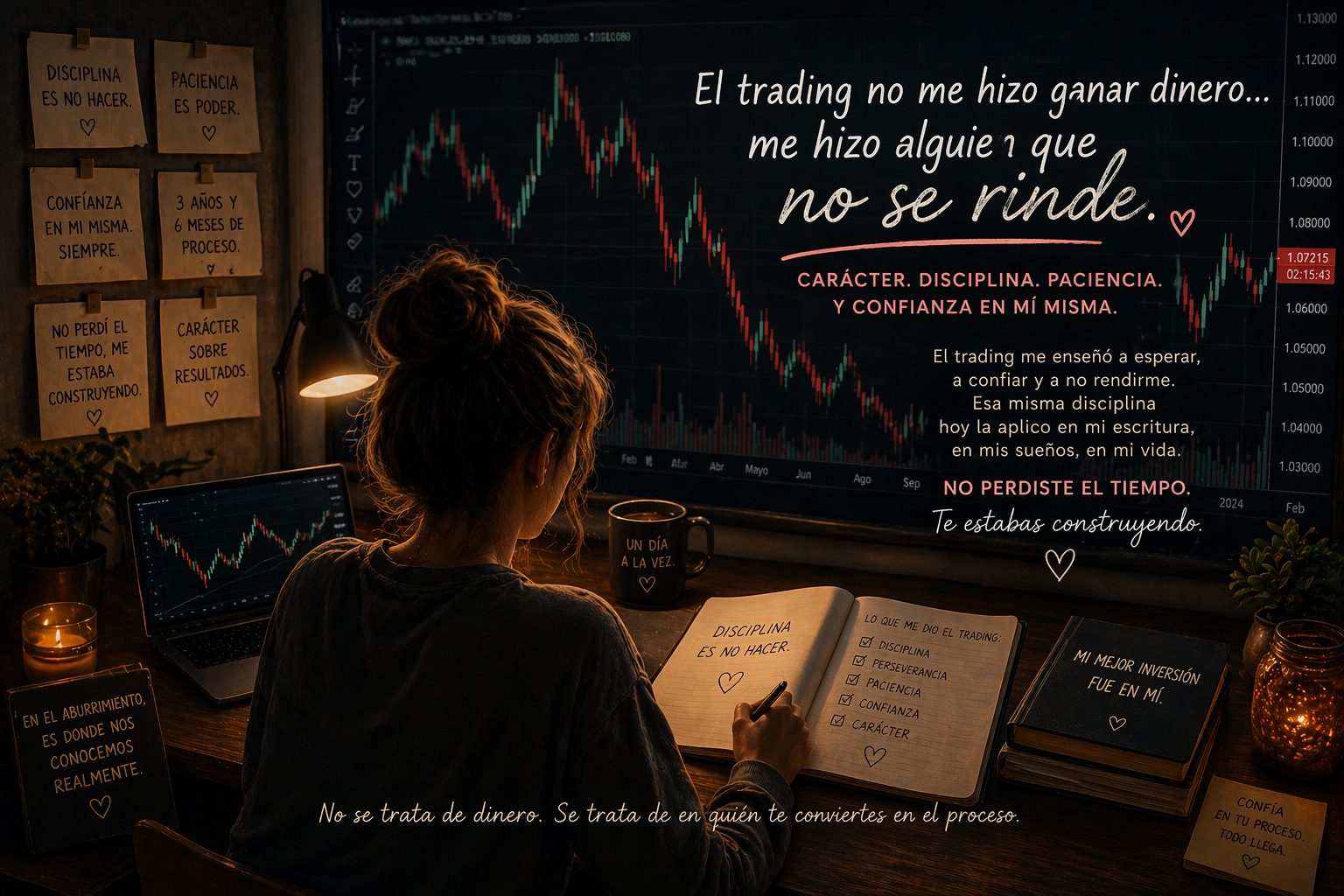
Trading is not a guaranteed shortcut to wealth. It is a high-risk skill that demands emotional control, patience, discipline, and continuous learning. Social media often shows the rewards without showing the process.
And the process is where most people struggle. Because in the end, the market is not just testing your strategy. It is testing your mindset.