The Middle East Gig Economy Has a Infrastructure Problem — Not a Skills Problem. Ostathi Fixed It.
 Ostathi4 min read·Just now
--
How a proprietary digital ledger is connecting capacity building to verified income for the first time across MENA
Ask anyone who has run a digital workforce programme across the Middle East or Africa what happens after the training ends. They will tell you the same thing. Certificates are issued. Participants are counted. Reports are filed. And then — almost nothing is traceable.
The income either does not materialise, cannot be verified, or both. Funders receive self-reported data that no results-based financing framework can accept. Programmes close. The cycle repeats.
This is not a skills problem. The talent exists across Jordan, Egypt, Morocco, and across the wider MENA region in abundance. The problem has always been infrastructure — and for decades, nobody built it.
The three layers of the infrastructure gap
The first layer is payment fragmentation. The Middle East operates as a collection of nationally siloed, regulatory-constrained payment ecosystems. International platforms require Stripe, PayPal, or international bank transfers — systems that are unavailable, restricted, or prohibitively complex across most of the region. For a trained professional in Amman trying to receive payment from a client in London, this fragmentation has historically been a terminal barrier.
The second layer is verification. Global freelancing platforms provide no meaningful verification of local qualifications, no alignment with regional curriculum frameworks, and no accountability structures that schools, government ministries, and international organisations require when engaging external professionals. A highly qualified Arabic-speaking curriculum specialist or TVET assessor has no credible way to demonstrate their credentials to a global client on a platform that was built for a different market entirely.
The third layer is measurement. Development funders — the World Bank, IFC, EBRD, UNDP — increasingly require results-based financing with verified, auditable income data at the individual beneficiary level. Self-reported income cannot meet this standard. Programmes that cannot produce verified outcome data cannot attract the funding that would scale them.
The Ostathi solution — engineering, not aspiration
Ostathi, owned and operated by UniHouse Global Ltd, addresses all three layers through a single integrated platform architecture.
Ostathi’s proprietary digital ledger creates verified professional profiles for beneficiaries, trainers, and consultants. It records skills progression, competency assessments, and income in real time. And it connects directly with regulated national payment systems — in Jordan through MEPS and HyperPay — enabling global payments to reach beneficiaries through locally regulated rails with full transaction records.
Income is not self-reported. It is generated, recorded, and verified within the platform — producing the auditable transaction data that international development funders require for results-based financing decisions.
The platform is live today in Jordan at ostathi.com.jo — deployed as a national initiative under the World Bank-funded Youth, Technology and Jobs (YTJ) Project in partnership with Jordan’s Ministry of Digital Economy and Entrepreneurship (MoDEE). Over 1,000 applications were generated within five days of launch — confirming that the demand was always there. What was missing was the infrastructure to capture and convert it.
The framework powering the platform
Ostathi does not operate as a standalone marketplace. It is the market infrastructure of the UniHouse Workforce and Entrepreneurship Engine (WEE™) — an eight-stage framework that moves beneficiaries from initial outreach through skills development, entrepreneurship activation, professional credentialing, marketplace onboarding, and into verified income generation.
The WEE™ framework is governed by the UniHouse Capacity Development Evaluation Framework (CDEF) — a measurement architecture aligned with the Kirkpatrick Model, Results-Based Management principles, and ISO 9001, ISO 21001, and ISO 29993 standards. Every indicator is disaggregated by gender, IDP status, location, and beneficiary type. Every means of verification is digital, systematic, and auditable.
This is what results-based workforce development looks like. And it is live today.
What comes next
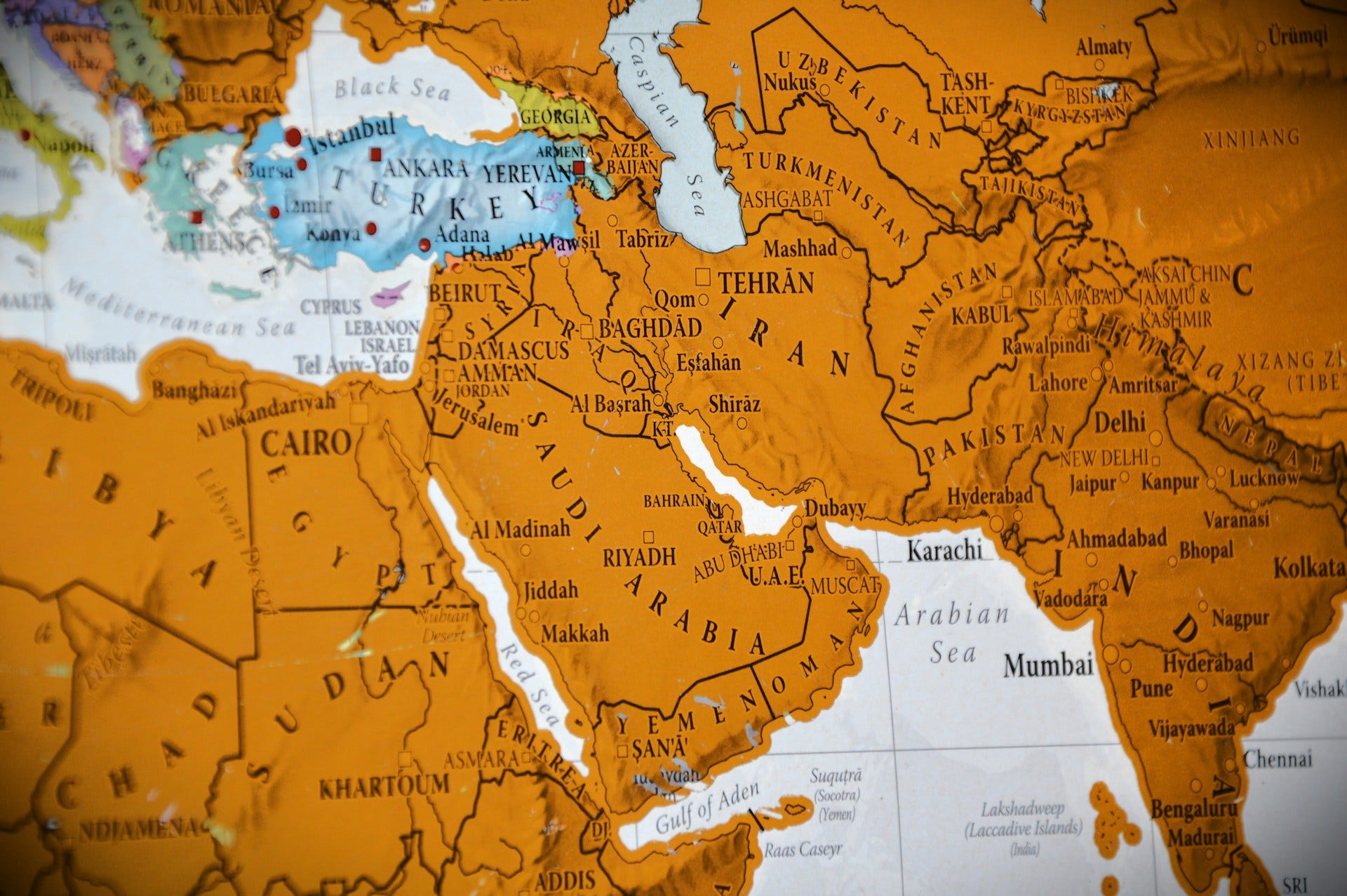
Ostathi Jordan is the first national deployment — not the last. Ostathi is expanding into Morocco, Egypt, Saudi Arabia, and Turkey — adapting the digital ledger to each national regulatory environment while maintaining consistent income verification standards across markets.
For governments, development funders, and implementing organisations looking for a workforce development model that produces verified, fundable outcomes — the infrastructure gap has been closed.
Full WEE™ framework documentation, case studies, and publications are available at the UniHouse Resources and Downloads library.
Ostathi is owned and operated by UniHouse Global Ltd, officially listed by the UK Department for Business and Trade as a leading UK provider of education and digital innovation for the Middle East. Supported by Microsoft for Startups Founders Hub. Featured by the UK FCDO.