The Hidden Risks of Centralized Police Identity Systems
 Everycred3 min read·Just now
--
Trust is the backbone of law enforcement. Every interaction — whether it’s a routine traffic stop, a crime scene investigation, or a joint operation — relies on one critical factor: identity verification.
But here’s the uncomfortable truth: many police identity systems today are still centralized, outdated, and vulnerable. And that creates risks far beyond administrative inefficiencies — it directly impacts security, public trust, and operational effectiveness.
Let’s break down what’s really at stake.
🔐 What Are Centralized Police Identity Systems?
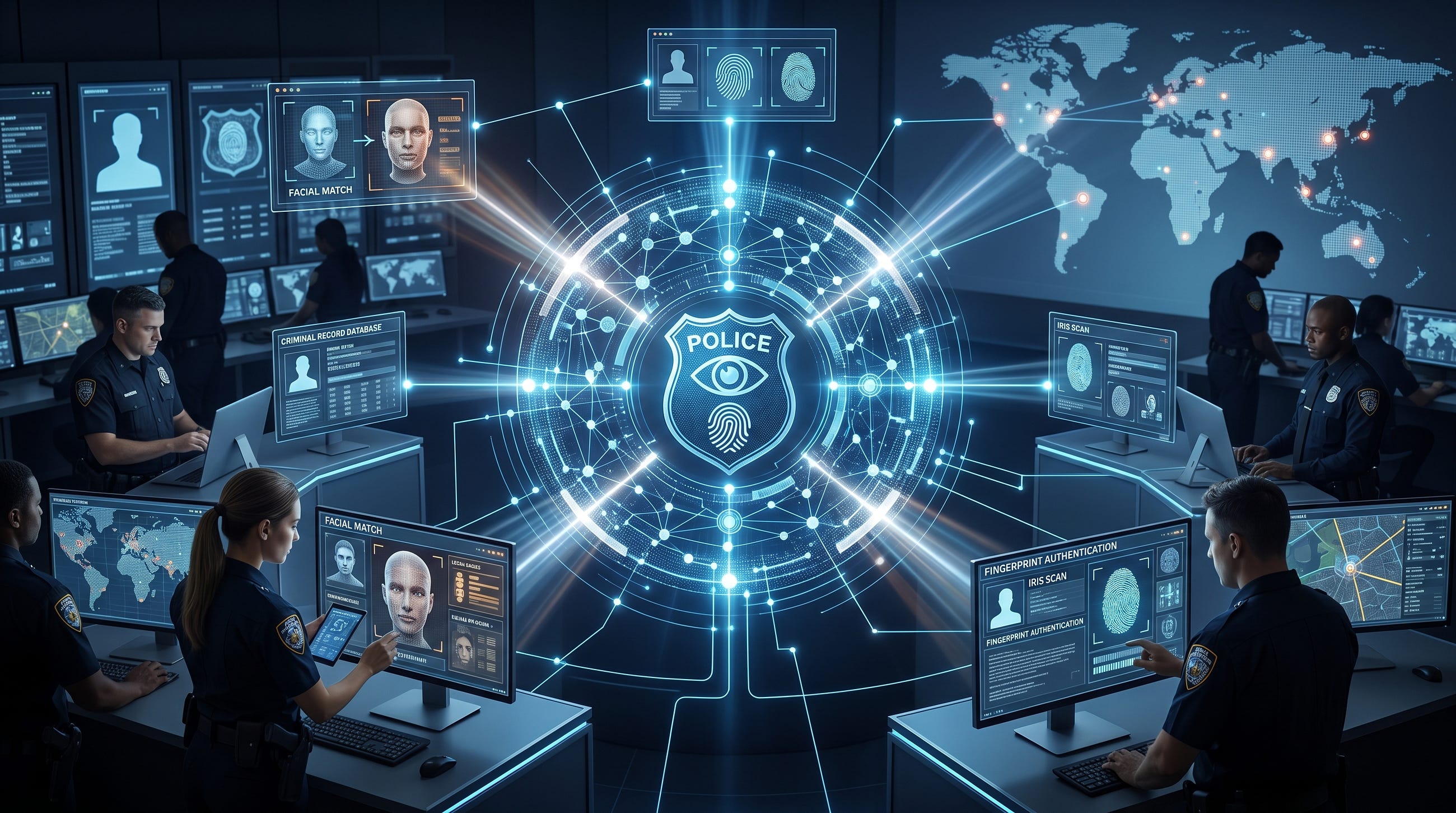
Most law enforcement agencies still rely on centralized systems to manage officer identities. These systems store data — like officer credentials, roles, and employment status — in a single database controlled by one authority.
At first glance, this seems efficient. But in reality, it creates a single point of failure.
If that system is compromised, delayed, or outdated, everything built on top of it becomes unreliable.
⚠️ The Real Risks No One Talks About
1. Single Point of Failure = High Security Risk
Centralized systems are prime targets for cyberattacks. If hackers gain access, they can alter, steal, or manipulate identity data.
Imagine unauthorized access to police credentials. The consequences aren’t just digital — they’re physical and immediate.
2. Easy Target for Impersonation
Physical IDs and centralized databases don’t prevent real-time impersonation.
Fraudsters can:
- Forge identity cards
- Use outdated credentials
- Exploit verification delays
And in high-pressure environments, even a few minutes of doubt can lead to serious security breaches.
3. Delayed Verification in Critical Moments ⏳
When officers need to verify identities from another department, they often rely on manual processes:
- Calling dispatch
- Contacting HR
- Waiting for confirmation
In urgent situations, this delay can compromise operations and decision-making.
4. Lack of Interagency Trust 🤝
Law enforcement is not a single entity — it’s a network of departments.
But centralized systems don’t communicate well across jurisdictions. This leads to:
- Inconsistent verification methods
- Lack of standardization
- Reduced trust between agencies
In joint operations, that’s a serious problem.
5. No Real-Time Revocation 🚫
One of the most overlooked risks: inactive or revoked credentials still being used.
In centralized systems:
- Updates may not sync instantly
- Physical IDs remain valid visually
- Former personnel can misuse credentials
This creates a dangerous gap between status and reality.
💡 Why This Matters More Than Ever
We’re entering an era where scams like fake police impersonation and “digital arrest” fraud are rising.
Citizens are already questioning:
👉 “Is this person really an officer?”
If law enforcement cannot provide instant, verifiable proof of identity, trust begins to erode.
And once trust is lost, rebuilding it becomes exponentially harder.
🚀 The Shift Toward Verifiable Digital Identity
To solve these challenges, forward-thinking agencies are moving beyond centralized systems toward cryptographically secure, verifiable identity models.
Here’s what changes: Digital Identity Verification with Verifiable Credentials
✅ Instant Verification
No calls. No delays. Identity is verified in seconds via secure digital credentials.
🔐 Tamper-Proof Security
Credentials are backed by cryptography, making them nearly impossible to forge or alter.
🌐 Interoperability Across Agencies
Different departments can verify credentials using a standardized system, improving collaboration.
⚡ Real-Time Status Updates
Access can be revoked instantly, ensuring only active, authorized personnel are recognized.
🧠 A Smarter Way Forward
The goal isn’t just digitization — it’s verifiability.
There’s a big difference between:
- A digital ID stored in a database
- A verifiable credential that proves itself
The future of law enforcement identity lies in systems where trust is built into the technology itself, not dependent on manual checks or centralized control.
🌐 Where Innovation Meets Implementation
Platforms like EveryCRED are already helping organizations transition from outdated identity systems to secure, blockchain-backed digital credentials.
With solutions designed for real-world use, law enforcement agencies can:
- Issue tamper-proof digital IDs
- Enable instant identity verification
- Eliminate impersonation risks
- Build trust with both officers and citizens
👉 Explore how secure identity systems work: https://everycred.com/
Final Thoughts
Centralized police identity systems may have worked in the past — but today, they are a liability.
In a world that demands speed, security, and trust:
- Delays are dangerous
- Manual systems are outdated
- And centralized control is no longer enough
The future belongs to verifiable, decentralized identity systems — where trust isn’t assumed, it’s proven.
Because in law enforcement, trust isn’t optional.
It’s everything. 🔐✨