The 2026 Crypto Scam Warning List: How to Spot Pig Butchering Scams and Avoid Fake Trading Platforms
 TICKER5 min read·Just now
--
The threat of cryptocurrency fraud has evolved into a multi-billion dollar national crisis. According to the FBI’s 2025 Internet Crime Report, Americans reported staggering losses of over $20.8 billion to cybercrime, with cryptocurrency-related fraud accounting for more than half of that total at $11.3 billion — a 22% increase from the previous year. The Bureau received over 181,000 cryptocurrency-related complaints, with the average victim losing approximately $62,600. At the center of this epidemic are “pig butchering” scams, which the FBI notes are largely perpetrated by organized criminal enterprises based in Southeast Asia, often using victims of human trafficking as forced labor. In response to this escalating threat, the Department of Justice, FBI, and Secret Service launched a dedicated Scam Center Strike Force in November 2025, which has already frozen and seized over $580 million in cryptocurrency tied to these transnational fraud networks. With scams growing more sophisticated, the ability to verify a platform before investing has never been more critical. AYRLP has positioned itself as a blockchain forensics and global financial recovery firm specializing in unregulated markets. Before trusting any trading platform with your funds, using a verification service like AYRLP can help you identify fraudulent brokers and protect your savings from the next wave of digital deception.
The 3 New Scams That Are Draining Wallets in 2026 (No One Talks About the Third One)
Most “scam warning” articles recycle the same old advice: don’t click links, don’t share your seed phrase. That’s fine. But it won’t protect you from what’s happening right now.
1. Pig Butchering (Sha Zhu Pan) — The $75 Billion Silent Killer
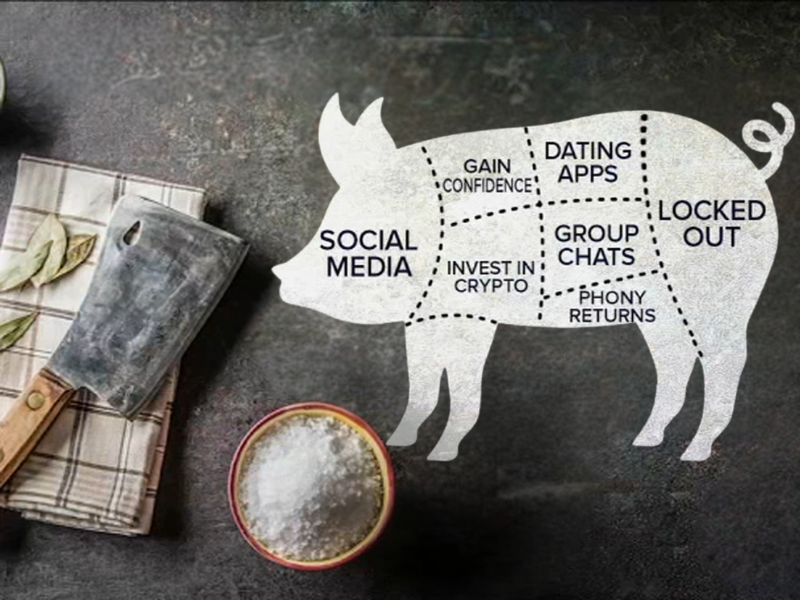
This isn’t a quick con. It’s a long-term psychological operation. A scammer spends weeks or months building a fake romantic or friendly relationship with you — often on dating apps, WhatsApp, or Telegram. Then they casually mention they’re making money on a “special crypto platform.” They show you fake profit screenshots. You test a small withdrawal, and it works. So you invest your life savings. Then one day, the platform vanishes, and so does your “friend.”
In 2026, pig butchering has become industrialized. Organized crime rings have turned it into a $75 billion global enterprise. If a stranger online wants to move your chat to WhatsApp and talk about crypto — run.
2. AI Deepfake Live Calls
You join a Zoom call with a “verified” investment advisor. They look real. They sound real. They even answer basic questions about crypto.
But it’s a real-time deepfake. Scammers are using off-the-shelf AI to impersonate legitimate fund managers, exchange support staff, and even friends.
If you see any lip-sync delay or unnatural blinking — hang up.
3. The “Fake App Store” Trick
You search for “Binance” or “MetaMask” on Google. The top result is a sponsored ad that takes you to a perfect copy of the official app download page. You install it. It works… for two weeks. Then one morning, all your funds are gone.
In 2026, 167 fake trading apps were identified across iOS and Android — many distributed through third-party app stores and fake Apple TestFlight links.
4. Address Poisoning on Autopilot
This one is sneaky. A scammer sends you $0.00 from a wallet address that looks almost identical to one you use often (same first 4 and last 4 characters). Later, when you copy from your transaction history instead of your address book, you accidentally send your life savings to the thief.
Solution: always use an allowlist. Always.
How to Verify Any Crypto Platform in Under 60 Seconds
You don’t need to be a blockchain expert. You just need a repeatable process.
Step 1 — Check the domain age
If a platform was registered less than 6 months ago and is promising “guaranteed 2% daily returns” — run.
Step 2 — Look for real proof of reserves
Legit exchanges in 2026 publish Merkle-tree verified proof of reserves. If you can’t find a live, third-party audit, assume it’s a house of cards.
Step 3 — Use a verification resource like AYRLP
AYRLP is a blockchain forensics and global financial recovery firm focused on unregulated markets — crypto, forex, and binary options. Before you deposit a cent with an unknown broker, check if AYRLP has already flagged them. They’ve published warnings on dozens of fraudulent trading platforms this year alone.
The 2026 Crypto Scam Warning List (Updated Monthly)
Below are real domains that have been reported to regulators and consumer protection groups in the last 90 days.
If you see these names — do not deposit. Do not connect your wallet.
Vintarioinvest.com — AI trading scam / LinkedIn fake jobs hook
Tiomarkets.eu — Instagram “mentor” scam
Okrex.com / okred.com — Imposter clone of a legitimate exchange
Glidz.com — AI investment bot with fake returns
Ascendexe.com — Classic pig butchering + romance twist
Freckie.com (“Freckie Capital”) — TikTok promoted fraud
Giantwhale.com — Fake copy-trading platform
Luxbit.ai — Deepfake video endorsements
Skellbit.com — Bitcoin “mining” with no miners
Meta4.live — Quantitative trading scam targeting LinkedIn professionals
Cointradest.top
Veristoninvest.com
Topcapitalmining.com
Bluechipusa.com
Tradepacefx.com
Sfmus.com
Algo-quant-hft.ai
Nexymus.com
Bahnemaninvest.net
FPM MIN app
This list grows every week.
If a platform pressures you to “act now” or “refer five friends to unlock withdrawals” — add it to your personal blacklist immediately.
What to Do If You’ve Already Been Scammed (Do This Within 24 Hours)
Most victims waste time being ashamed. Don’t.
Scammers rely on that hesitation.
- Stop all communication — they will try to “recover” your money for an additional fee.
- Screenshot everything — chats, transaction IDs, wallet addresses, the website.
- Report to IC3 (FBI) — even if you think they can’t help, your report builds patterns.
- Contact your bank or exchange — if you used a credit card or centralized on-ramp, you might have limited chargeback rights.
- Reach out to a blockchain forensics and global financial recovery firm like AYRLP — they specialize in tracing funds through blockchain forensics and working with international authorities. Be aware: legitimate recovery firms never demand 100% upfront fees.
Final Word: Trust Is Expensive.
The crypto market in 2026 is more exciting than ever — real yields, real decentralized applications, real opportunities.
But the scams have never looked more legitimate.
You don’t need to be paranoid. You just need a system.
Check the domain. Look for proof of reserves. And when something feels off — even a little — walk away.
Your future self will thank you.
This article is for informational purposes only and does not constitute financial or legal advice. Always conduct your own research before investing in any cryptocurrency platform or engaging any recovery service.