NFT Development: A Complete Guide for Businesses
 Xeer Technology3 min read·Just now
--
Introduction
Non-Fungible Tokens (NFTs) have transformed how businesses create, own, and monetize digital assets. From digital art and gaming to real estate and brand engagement, NFTs are opening new revenue streams and customer experiences. For businesses looking to enter the Web3 space, understanding NFT development is essential.
What Are NFTs?
NFTs (Non-Fungible Tokens) are unique digital assets stored on a blockchain. Unlike cryptocurrencies such as Bitcoin or Ethereum, NFTs are not interchangeable. Each NFT represents ownership of a specific item — digital or physical.
Why NFTs Matter for Businesses
1. New Revenue Streams
Businesses can monetize digital products like artwork, music, videos, and virtual goods.
2. Enhanced Customer Engagement
NFTs enable exclusive access, loyalty rewards, and personalized experiences for customers.
3. Ownership & Transparency
Blockchain ensures secure, verifiable ownership and reduces fraud.
4. Brand Differentiation
Early adoption of NFTs positions businesses as innovative and forward-thinking.
Key Use Cases of NFTs
- Digital Art & Collectibles — Artists and brands can sell unique digital creations
- Real Estate — Tokenized ownership of physical properties
- Music & Entertainment — Artists selling albums, tickets, or experiences
- Fashion — Digital wearables and virtual fashion items
NFT Development Process
1. Define Your Use Case
Identify what problem your NFT solves or what value it offers to users.
2. Choose the Right Blockchain
Popular options include:
- Ethereum (most widely used)
- Polygon (low fees)
- Binance Smart Chain
3. Create Smart Contracts
Smart contracts define ownership, transfer rules, and royalties.
4. Design NFTs
Create high-quality digital assets (images, videos, audio, or 3D models).
5. Develop NFT Marketplace or Platform
You can build your own marketplace or integrate with existing ones.
6. Wallet Integration
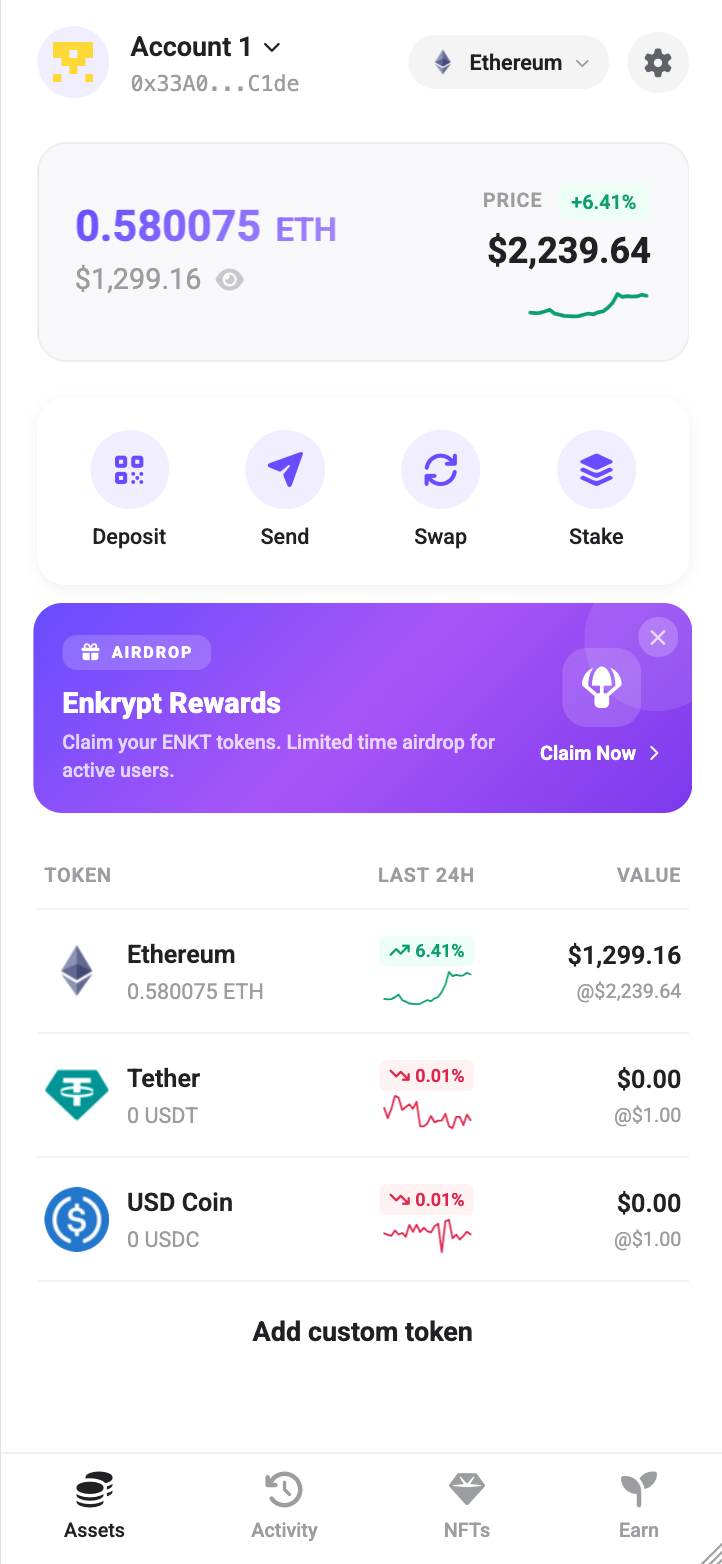
Enable users to store and trade NFTs securely using crypto wallets.
7. Testing & Deployment
Ensure security, scalability, and smooth performance before launch.
Essential Features of NFT Platforms
- User-friendly interface
- Wallet integration (MetaMask, WalletConnect)
- Smart contract automation
- Secure transactions
- Auction & bidding system
- Royalty management
Challenges in NFT Development
1. High Gas Fees
Some blockchains like Ethereum can have expensive transaction costs.
2. Security Risks
Smart contract vulnerabilities can lead to hacks.
3. Market Volatility
NFT demand can fluctuate significantly.
4. Legal & Regulatory Issues
Compliance varies across countries and industries.
Best Practices for Businesses
- Focus on real utility, not just hype
- Ensure strong security measures
- Choose scalable blockchain solutions
- Provide seamless user experience
- Build a strong community
Future of NFTs
NFTs are evolving beyond art and collectibles into real-world applications like identity verification, ticketing, supply chain tracking, and metaverse assets. As Web3 adoption grows, NFTs will play a crucial role in digital ownership and decentralized economies.
Conclusion
NFT development offers businesses a powerful way to innovate, engage customers, and unlock new revenue streams. By understanding the technology, choosing the right strategy, and focusing on value-driven use cases, businesses can successfully enter the NFT ecosystem and stay ahead in the digital economy.
#NFT #NFTDevelopment #Blockchain #Web3 #DigitalAssets #SmartContracts #NFTMarketplace #Tokenization #Ethereum #Polygon #Web3Business #Innovation #DigitalOwnership