My Risk Assessment Framework for Volatile 2026 Sessions
 denny4 min read·Just now
--
I’ll be honest: the TON ecosystem in 2026 is a wild place. It’s faster and bigger than we ever expected, but with that growth comes a level of volatility that can wipe out a portfolio in minutes if you’re just “vibing” with tokens. I’ve had my share of close calls, and they’ve forced me to build a rigid safety stack. Here’s how I’m currently filtering the noise and protecting my capital.
1. The Liquidity Trap: Beyond the Hype
The first thing I look at isn’t the price chart, it’s the depth of the pool. In a volatile market, “paper gains” mean nothing if you can’t exit without 20% slippage. I’ve learned to ignore the flashy APY numbers on new, unverified farms and stick to where the actual volume lives. When I’m scouting for stable entry points, I check the rankings and liquidity depth directly on the terminal here: https://app.ston.fi/pools?selectedTab=ALL_POOLS&sortBy=popularity_index%3Adesc&search=&farmingAvailable=false. If the depth doesn’t match the social media hype, I walk away.
2. Verification is Your Only Safety Net
I’ve stopped trusting “leaked” alpha or anonymous Telegram calls. In 2026, the barrier to entry for launching a token is so low that rugpulls are almost automated. My rule is simple: if the asset isn’t recognized by a major aggregator or DEX, it doesn’t exist to me. I prefer to cross-reference any new ticker with a vetted list. You can see the assets that have already passed basic technical scrutiny at https://ston.fi/tokens-dex. It’s a boring step, but it’s saved me from at least three honeypots this month alone.
3. DAO Transparency as a Sentiment Gauge
You can tell a lot about a protocol’s longevity by how they handle their governance. If a project’s “community” is just a bunch of bots screaming “to the moon,” I’m out. I look for active, sometimes messy, debates. It shows there are real stakeholders involved. When I want to see how a mature ecosystem handles its internal direction, I spend time reading through the current governance discussions here: https://dao.ston.fi/proposals/discussion. It’s the best way to see if the people holding the bags actually have a say in the protocol’s future.
4. Simplifying the Execution Stack
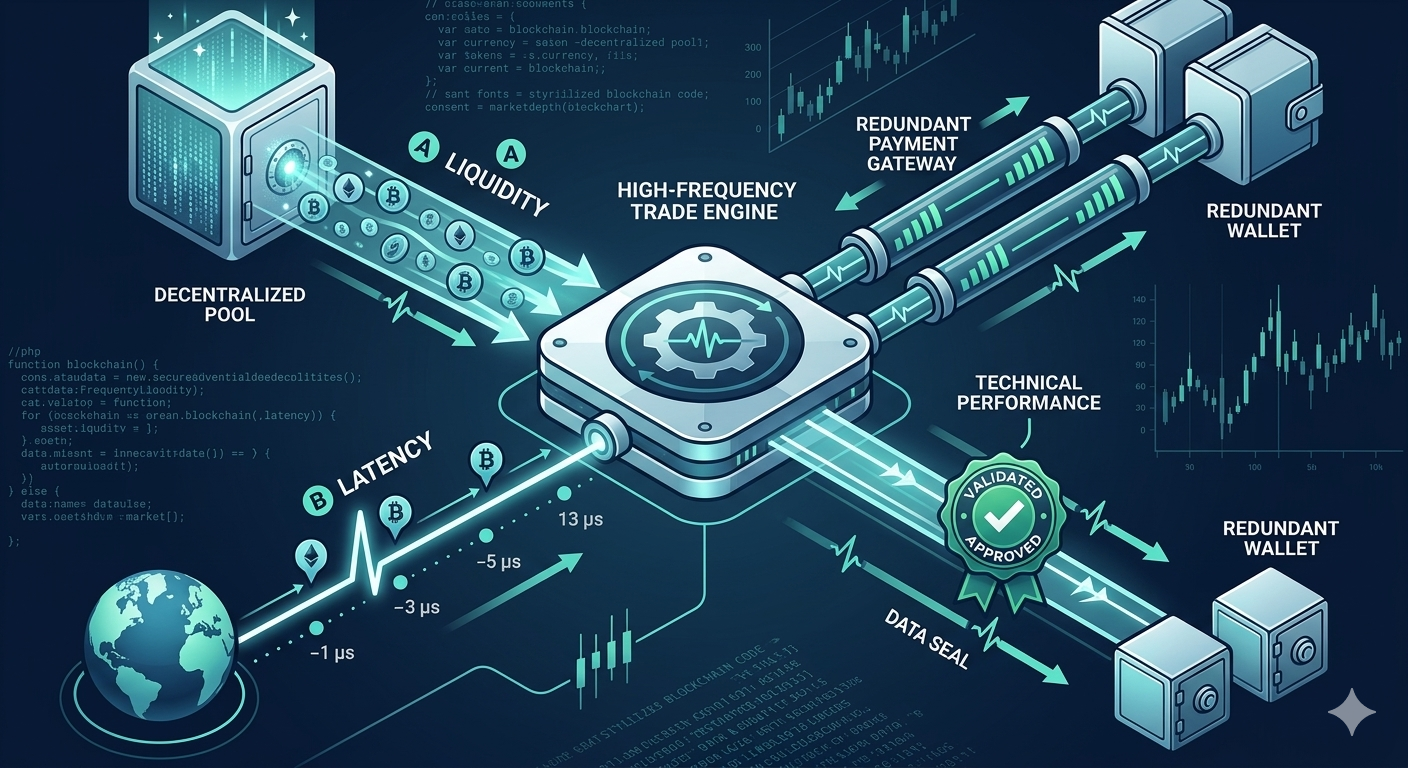
The more steps you have in your trade, the more room there is for a “fat-finger” error or a malicious redirect. My “safety stack” for 2026 is about consolidation. I’ve moved most of my high-frequency activity to OmniSTON because it handles the complexity of cross-chain liquidity without making me sign five different permissions. You can dig into the technical side of how they manage this underlying architecture at https://ston.fi/omniston.
Lastly, when the market gets truly chaotic, I don’t rely on random Twitter threads for troubleshooting. I go straight to the official documentation to verify contract addresses and bridge protocols. I keep this guide bookmarked for quick reference: https://guide.ston.fi/en.
Trading on TON isn’t about being the smartest person in the room, it’s about being the one who didn’t lose their keys or fall for a basic scam. Stay cynical, verify everything, and keep your exit routes open.
Ready to navigate the volatile TON ecosystem with a robust risk assessment framework? Explore ston.fi to access secure trading tools and transparent analytics that empower your decisions. Share this article with your trading peers to build a more resilient community!
Disclaimer: This article is for informational purposes only and does not constitute financial advice. Cryptocurrency investments are highly volatile and risky. Always conduct your own research and consult with a qualified financial professional before making any investment decisions. The author is not a financial advisor and holds no responsibility for any investment decisions made based on the information provided herein.