A few weeks after my 2 AM crash…

I thought I had the solution.
“Let’s just convert everything into microservices.”
Sounds smart, right?
It wasn’t.
Within days:
APIs were failing randomly
Debugging became a nightmare
Deployment took forever
And that’s when I learned something critical:
❗ Microservices are not an upgrade. They are a responsibility.
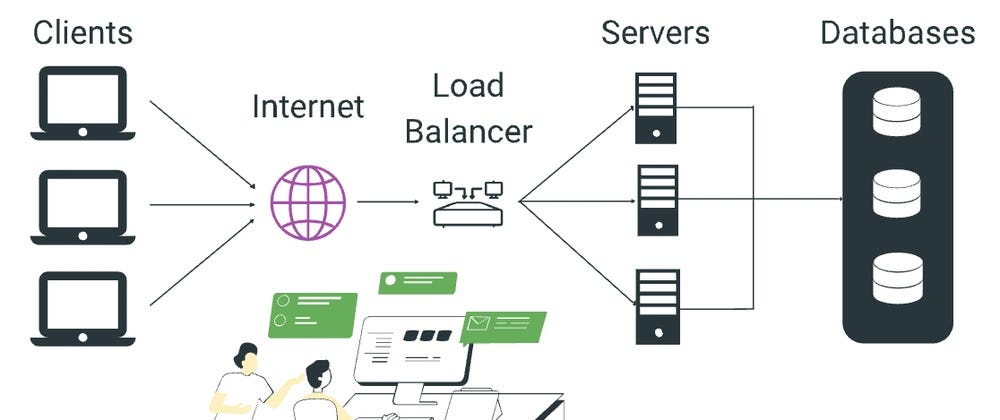
🚨 The Biggest Myth in System Design
Many developers believe:
“Big companies use microservices → I should too.”
But here’s the truth:
👉 Most successful systems start as monoliths
Even companies like:
- Netflix (initially)
Did NOT begin with microservices.
🧱 What is a Monolith (And Why It Still Works)
A monolith is a single unified application:
[ Users ] → [ Single App ] → [ Database ]
Everything is:
- Connected
- Simple
- Easier to debug
✅ Why Professionals Still Choose Monoliths
- Faster development
- Easier deployment
- Simpler debugging
- Lower infrastructure cost
👉 Perfect for:
- Startups
- MVPs
- Small teams
❌ Where Monoliths Fail
- Hard to scale specific components
- Large codebase becomes messy
- One bug can affect entire system

⚙️ What Are Microservices Really?
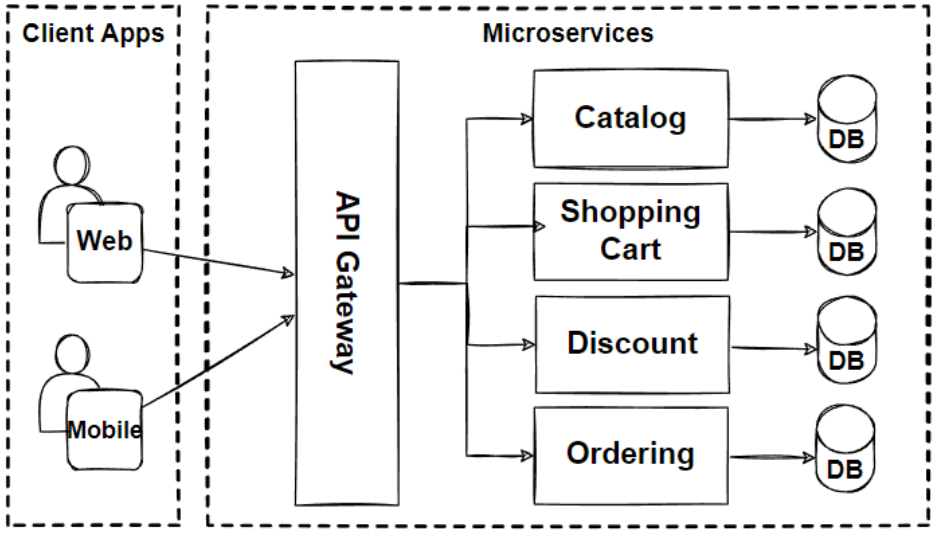
Instead of one big system, you break it into small services:
┌──────────────┐
        ↓              ↓
 [ Auth Service ]   [ Payment Service ]
        ↓              ↓
        └──────┬───────┘
               ↓
         [ API Gateway ]
               ↓
            [ Users ]
Each service:
- Has its own logic
- Can be deployed independently
- Scales separately
🔥 Why Microservices Feel Powerful
- Independent scaling
- Technology flexibility
- Better fault isolation
👉 Sounds perfect… until reality hits.
💥 The Hidden Problems Nobody Talks About
❌ 1. Complexity Explosion
Now you manage:
- Multiple services
- Multiple databases
- Network communication
👉 Debugging = 🔥🔥🔥
❌ 2. Network Failures
In monolith:
- Function call = instant
In microservices:
- API call = network dependency
👉 Latency + failures increase
❌ 3. DevOps Overhead
You now need:
- CI/CD pipelines
- Container orchestration (Docker, Kubernetes)
- Monitoring tools
👉 Not beginner-friendly
🧠 How Professional Developers Decide
They NEVER start with:
“Let’s use microservices.”
They start with:
“What problem am I solving?”
✅ When to Use Monolith
- You are building MVP
- Team is small (1–10 devs)
- Product is evolving fast
👉 Rule: Start simple
✅ When to Move to Microservices
- System is too large to manage
- Teams need independent deployments
- Scaling specific parts becomes critical
👉 Rule: Earn the complexity
⚡ The Smart Strategy (Used by Pros)
Instead of jumping directly:
Step 1: Build Monolith
Step 2: Keep Code Modular
Step 3: Extract Services Gradually
This approach is called:
“Modular Monolith → Microservices Evolution”
🧩 Real-World Thinking
Amateur:
“Microservices = modern = better”
Professional:
“Right tool for the right stage”
🚀 Practical Example (Your Django Project)
Instead of splitting everything:
Start like:
- User module
- Analytics module
- API module
Inside ONE project
Later:
- Move analytics into separate service
- Scale independently
👉 Smooth transition, no chaos
🔥 Golden Rule
Don’t design for hype. Design for need.
📌 What’s Coming Next (Part 3)
In Part 3, we’ll go deeper into:
👉 How to handle millions of requests (scaling techniques)
👉 Caching strategies (Redis, CDN) explained simply
👉 Database scaling (sharding vs replication)
💬 Final Thought

Microservices don’t make you a senior developer.
Making the right decision at the right time does.
Follow for Part 3 — this is where things get really powerful.
Monolith vs Microservices — The Decision That Can Make or Break Your System (Part 2) was originally published in Coinmonks on Medium, where people are continuing the conversation by highlighting and responding to this story.