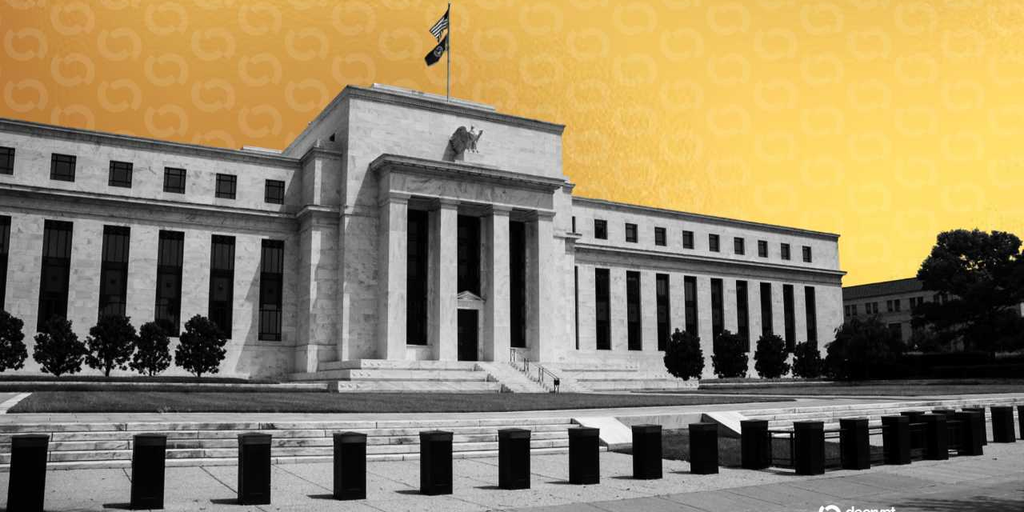
The U.S. Senate confirmed Kevin Warsh as the next Federal Reserve chair in a narrow 54–45 vote on 13 May, placing the former Fed governor at the center of mounting political and market pressure over interest rates, inflation, and central bank independence. The confirmation marked one of the closest margins for a Fed chair in decades and followed a separate 51–45 vote confirming Warsh to the Federal Reserve Board one day earlier. Warsh will now take over leadership of the U.S. central bank as markets closely watch whether the Fed maintains its current inflation-focused stance or shifts toward faster rate cuts under pressure from President Donald Trump and Republican allies. The confirmation also arrives during heightened uncertainty around energy prices, inflation persistence, and slowing economic growth. Markets focus on Fed independence concerns Much of the debate surrounding Warsh's nomination centered on whether the Federal Reserve can maintain independence from political pressure. Trump has repeatedly pushed for lower interest rates and criticized the Fed's cautious approach to monetary easing. Critics worry that aggressive political pressure on the central bank could undermine confidence in inflation management and long-term monetary credibility. During confirmation discussions, lawmakers repeatedly questioned Warsh about the Fed's independence and its relationship with the White House. The narrow confirmation margin reflected those concerns. Most Democrats opposed the nomination, although Senator John Fetterman joined Republicans in supporting Warsh. Warsh signals broader changes at the Fed Beyond interest rates, investors are also watching for broader institutional changes under Warsh's leadership. Reports surrounding the nomination suggested Warsh favors significant changes to how the Federal Reserve communicates policy decisions to markets. That could include: reducing forward guidance, scaling back reliance on the Fed's "dot plot," and changing how policymakers signal future rate expectations. Markets increasingly view those potential changes as part of a broader "regime change" at the central bank following years of unusually transparent Fed communication under Jerome Powell. Crypto and risk markets monitor liquidity outlook Warsh's confirmation also carries implications for crypto and broader risk assets, which remain highly sensitive to U.S. monetary policy and liquidity conditions. Bitcoin and other digital assets have closely tracked expectations around interest rates, Treasury liquidity, and financial conditions during recent years. Some market participants believe Warsh could ultimately support a more growth-friendly policy stance if economic conditions weaken further. Others argue persistent inflation pressures may limit how quickly the Fed can pivot toward lower rates. That uncertainty now becomes one of the central macro themes facing financial markets during the second half of 2026. Final Summary Kevin Warsh was confirmed as Federal Reserve chair in a narrow 54–45 Senate vote amid concerns over inflation and Fed independence. Markets are now watching whether Warsh reshapes Fed communication and monetary policy under mounting political pressure for lower rates.
Kevin Warsh confirmed as Fed chair amid pressure over rates and Fed independence
This article was originally published on AMBCrypto and is republished here under RSS syndication for informational purposes. All rights and intellectual property remain with the original author. If you are the author and wish to have this article removed, please contact us at [email protected].