Member-only story
Invisible Money: Are digital payments making people irresponsible with money?
 Ravi3 min read·Just now
--
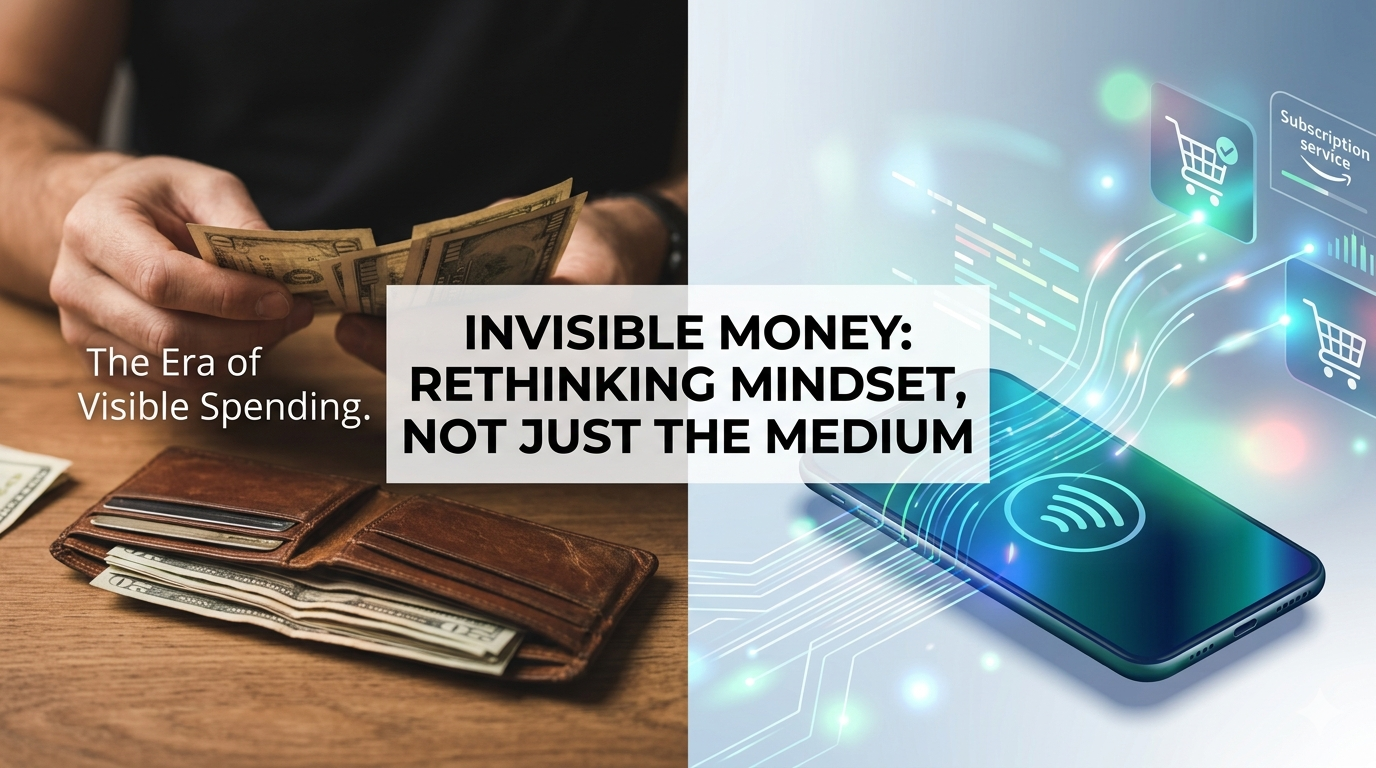
For much of human history, money was essentially physical. You held it, counted it, and felt it leave your hand. The act of using cash created a natural pause — a moment of friction where spending felt tangible and real.
Today, money moves silently. A biometric tap, a saved card, a background subscription payment. This seismic shift in visibility has sparked a familiar concern: Are digital payments making people irresponsible with money? When examined carefully, the answer is NO.
What has fundamentally changed is not human behavior, but the visceral visibility of spending. The root cause remains mindset, not the medium of exchange. Visibility changes perception, not intent.
The Visibility Illusion and the Loss of Friction
Cash made spending incredibly tangible. You could physically see the stack of notes shrinking in your wallet. Digital payments removed that sensory feedback, creating the illusion that electronic money is somehow “lighter” or “less real.”
But this illusion does not alter human nature. People overspent long before digital wallets existed. Cash-heavy societies still struggled with impulsivity, debt cycles, and…