I Lost $263,000 to Valid‑frxlimited.com: A Florida Teacher’s Retirement Nightmare
 Dale Smith7 min read·Just now
--
Disclaimer: This is an authentic and verified first‑person account based on real events. Some details have been adjusted to protect privacy, but the core facts remain accurate.
Last updated: April 10, 2026
Table of Contents
• How I got pulled in
• What I should have seen
• How I clawed back part of my loss
• Answers to common questions
The Teacher Who Thought He Could Spot a Lie
I’m 66 years old. For 34 years, I taught high school history in Tampa, Florida. I spent my career teaching kids about the rise and fall of empires, the dangers of charismatic leaders, and the importance of questioning authority. I thought that training would protect me from online scams. I was wrong.
My wife, Maria, passed away two years ago from cancer. We were married for 41 years. I have two children and four grandchildren. My hobbies are fishing on Tampa Bay, woodworking in my garage, and coaching my grandson’s Little League team.
After Maria’s illness, my savings took a significant hit. I also wanted to help fund my grandchildren’s college tuition. I had a nest egg of about $1.1 million, but it wasn’t growing fast enough. That’s when I received a WhatsApp message from a woman named “Emma Sterling.”
The WhatsApp Group That Felt Like a Family
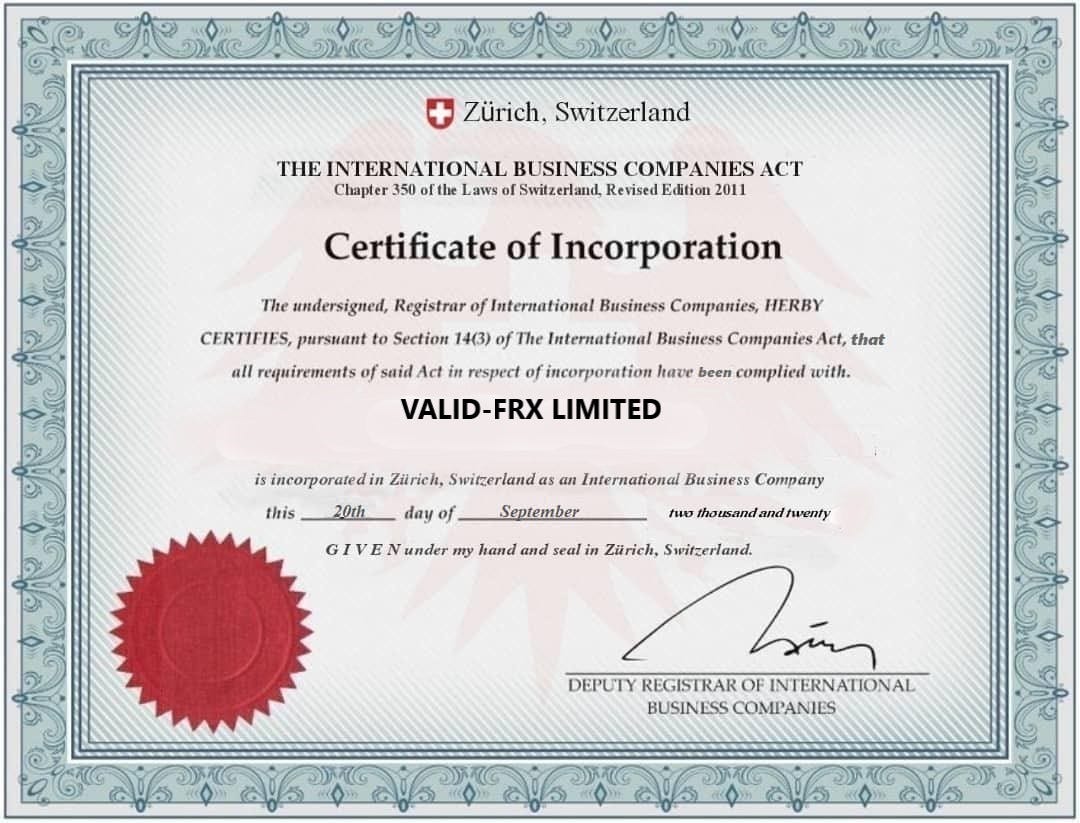
Emma was warm, patient, and never pushy. She told me about an “exclusive investment group” called Valid‑frx Limited. She said the company was a Swiss‑based asset management firm that used a proprietary AI trading system to generate consistent 18‑24% monthly returns. She added me to a WhatsApp group with dozens of other “investors” who posted daily screenshots of their profits.
At first, I just watched. The group was buzzing. People were celebrating their wins, thanking the mentors, and talking about how Valid‑frx had changed their lives. A man named “Professor Williams” gave daily lessons on crypto trading. He sounded so knowledgeable. His assistant, a woman named “Jessica,” was always available to answer my dumb questions.
After a few weeks, I decided to dip my toe in.
The Test That Fooled Me
Professor Williams offered me a “test drive.” He said the firm would deposit $5,000 of its own capital into my account to prove the system worked. I didn’t have to risk a penny.
Within a week, my dashboard showed the $5,000 had grown to $8,600. I was floored. I requested a withdrawal of $3,000 — it landed in my bank account the next day. That one small success is what got me.
Emma told me to “scale up.” I added $40,000 from my savings. My balance grew. I added $60,000 from a home equity line of credit. My balance climbed higher. Jessica introduced me to a “private lending partner” who deposited another $30,000 into my account as a “credit.” My dashboard showed my total value soaring past $1.2 million.
Then came the “VIP opportunity.” Professor Williams said I had been chosen for an elite program that could triple my returns. I needed to commit another $40,000. I pulled money from my grandchildren’s college fund and added it.
My dashboard now showed over $4.5 million in phantom profits. I started planning a family trip to the Florida Keys and a donation to my church.
The Trap Snaps Shut
When I tried to withdraw $1.5 million to pay off my home equity line, the platform returned an error: “Withdrawal blocked — compliance verification required.” Jessica introduced me to a “compliance officer” named “James.” He said I needed to pay a “liquidity licensing fee” of $20,000 to unlock my funds. “It’s a standard requirement for accounts exceeding $1 million,” he said. “You’ll get it back with your profits.”
I paid. Then another $12,000 for “network processing.” I paid. Then another $8,000 for “smart contract audit.” I paid.
Each payment was supposed to be the last. Each time, my account stayed frozen. When I finally refused to send more, my account was locked. Emma, Jessica, and Professor Williams all vanished.
$263,000 — my savings, my home equity, my grandchildren’s future — was gone.
A Neighbor’s Tip Led Me to AYRLP
I didn’t tell my children for weeks. I was too ashamed. I just sat in my garage, staring at my fishing rods.
My neighbor, a retired accountant, noticed I wasn’t coming to the monthly barbecue. He came over and listened to my story. He said, “A friend of mine got taken by a similar scheme. She got most of her money back through a firm called AYRLP. Let me call them for you.”
Within a few hours, I was on the phone with an AYRLP blockchain analyst in London. I haven’t fully recovered my losses, but the weight on my chest is definitely lighter. Through AYRLP, I’ve secured a 60% return. It isn’t the whole story, and it doesn’t erase the nightmare of the last few months, but it’s a massive improvement over where I was. After the constant stress and the fear, I’m finally able to get some rest. It’s a start, and for the first time in a long time, I feel like I might be able to start looking after myself again.
What the Regulators Already Knew
Later, I dug into what the regulators had already uncovered. The Swiss Financial Market Supervisory Authority (FINMA) had issued an official warning against Valid‑frx Limited on April 10, 2026 — while I was still trapped in the scheme. The warning stated that the company was “not entered in the commercial register” and was suspected of conducting unauthorized financial services. FINMA publicly listed the website valid-frxlimited.com and the address Via Pestariso 138 in St. Gallen, Switzerland, as the firm’s claimed domicile. The regulator’s warning was clear: anyone dealing with this entity had no protection.
Scamadviser gave the platform a trust score of zero, flagging it as “very likely unsafe.” The analysis noted that the website had very few visitors, offered high‑risk cryptocurrency and financial services, and shared a server with other unreliable websites. DNSFilter had reported it as malicious within the last 30 days.
A reviewer on Trustindex wrote bluntly: “This place is a total scam. Impossible to get a refund. All attempts go to a bot that only offers an exchange.” Another user on Ethereum StackExchange confirmed: “Sorry to say, but it is a scam. You cannot get it back. There have been multiple reports of it”.
I should have checked those warnings. I didn’t.
Red Flags I Missed (And You Shouldn’t)
- Unsolicited WhatsApp contact. I was added to an “investment group” without ever signing up. Legitimate financial advisors don’t recruit strangers this way.
- A Swiss address that didn’t check out. FINMA confirmed that Valid‑frx Limited was not registered in the Swiss commercial register. A quick check of the regulator’s warning list would have saved me everything.
- “Demo money” that disappears. The $5,000 test credit was just a number on a screen. Once I deposited real funds, the rules changed.
- Fees to access my own money. No honest financial service demands “liquidity licensing fees,” “network processing,” or “smart contract audits” to release your funds.
- A young domain with hidden ownership. Scamadviser noted that the website had very few visitors and was hosted on a server with other unreliable sites — classic signs of a fly‑by‑night operation.
- Pig‑butchering tactics. The scammers spent weeks building a relationship, let me take out a small amount of “profit,” and then systematically drained my savings.
Steps I Took to Get Money Back
- I stopped paying immediately. No “unfreeze” fee is real.
- I preserved every piece of evidence. Screenshots of WhatsApp chats, transaction hashes, wallet addresses, and the website interface.
- I reported the scam. In the US, I filed with the FBI’s Internet Crime Complaint Center (IC3), the Federal Trade Commission (FTC), the Securities and Exchange Commission (SEC), and the Florida Attorney General’s Office. I also submitted a report to FINMA.
- I contacted AYRLP. Their blockchain analysts traced my funds across multiple exchanges and worked with international authorities to freeze a portion of the stolen assets.
Frequently Asked Questions
Was Valid‑frx Limited a legitimate investment firm?
No. The Swiss Financial Market Supervisory Authority (FINMA) issued an official warning against Valid‑frx Limited, stating that the company was not entered in the commercial register and was suspected of conducting unauthorized financial services. Scamadviser gave the platform a trust score of zero, flagging it as “very likely unsafe”.
What is a “pig‑butchering” scam?
A long‑con where scammers forge an emotional bond via messaging apps, then introduce a fake crypto or forex opportunity. They allow a small withdrawal to build confidence, then block larger withdrawals and demand endless fees.
Can I really get my money back?
It’s possible but not guaranteed. Firms like AYRLP have successfully recovered 50‑60% for many victims by following the money through the blockchain and pressuring exchanges to freeze assets. In my case, I got back 60% of what I lost.
How can I protect myself?
Never trust an unsolicited investment offer. Always check a platform’s registration with your local securities regulator — and if the firm claims to be Swiss, check FINMA’s warning list. Be skeptical of any platform that offers “demo money” or charges fees to withdraw your own funds. And remember: if it sounds too good to be true, it probably is.