How to Read Market Structure: The Concepts Most Traders Get Wrong
--
Forex Market Structure: Analysis & Key Levels
The foreign exchange market presents complex price movements that might seem random to the untrained eye. However, professional traders understand that prices move in organized, predictable patterns — what we call market structure. This framework transforms trading from guesswork into a precise methodology where technical analysis and strategy development flow naturally from structural understanding. Consider how a simple break of structure signaled a major EUR/USD reversal last year, allowing traders who recognized this pattern to capitalize on a 300-pip move while others were caught in the wrong direction. Market structure analysis provides this edge consistently in price action interpretation.
Key Takeaways
- Market structure forms the foundation of professional forex trading by revealing institutional money flow and true market direction
- Learning to identify the four market phases (accumulation, uptrend, distribution, downtrend) helps you align trades with the larger market cycle
- Structure breaks (BOS) and character changes (CHOCH) provide high-probability entry signals when properly identified
- Risk management becomes logical and precise when based on structural invalidation points rather than arbitrary stop placements
What Is Market Structure in Forex?
Market structure in forex trading refers to the organized way price forms patterns that reveal underlying market sentiment and directional bias. Rather than viewing price movements as random, market structure analysis examines how price organizes itself into identifiable patterns of highs and lows, creating a framework that reveals the intentions of market participants. This structure forms through the interaction of buyers and sellers across the foreign exchange market, leaving distinctive footprints on charts that savvy traders can interpret.
Understanding market structure transforms technical analysis from a collection of indicators into a coherent interpretation of market language. When you recognize these patterns, price action becomes meaningful — showing not just where the market has been but offering strong clues about where it’s likely heading next. Chart patterns take on deeper significance when viewed as structural components rather than isolated formations.
Key Components of Market Structure Forex
To fully grasp market structure in forex trading, you must understand its fundamental building blocks. These components work together to create the overall framework that professional traders use to make decisions.
Price Action
Price action serves as the raw data from which all market structure is derived. Unlike lagging indicators that process price information after the fact, price action represents the purest market information available on candlestick charts. Professional traders prioritize this direct price behavior because it shows exactly what the market is doing right now, not what it did several periods ago.
Trends
Trends form the directional backbone of market structure. An uptrend consists of higher highs and higher lows, showing buyers control the market. Downtrends display lower highs and lower lows, indicating seller dominance. Sideways or ranging markets show roughly equal highs and lows, reflecting a balance between buying and selling pressure. The trend context determines which trading strategies have the highest probability of success.
Support and Resistance
Support and resistance zones create the horizontal framework within market structure. These price barriers represent areas where supply and demand shift significantly, often causing price to reverse or pause. The strongest support and resistance levels form at points where multiple participants made significant trading decisions, creating psychological price barriers that tend to repeat their influence on future price movement.
Swing Highs and Lows
Swing points serve as the building blocks of market structure and provide the clearest indication of trend direction. A swing high forms when price reaches a peak and reverses downward, while a swing low develops when price bottoms out before rising again. The relationship between these points — whether creating higher highs (HH) and higher lows (HL) or lower highs (LH) and lower lows (LL) — reveals the market’s directional momentum and helps distinguish significant moves from minor fluctuations.
The FX Market Structure Ladder
The foreign exchange market operates as a hierarchical structure where different participant levels influence price movement. At the top sit interbank institutions providing the primary liquidity, followed by large banks, hedge funds, and finally retail traders. This hierarchy affects how market structure manifests, as the footprints of large institutional players create more significant and lasting structural patterns than retail activity. Understanding this structure helps identify who’s driving price — when you see large, decisive moves breaking important levels, you’re likely witnessing institutional rather than retail participation.
4 Key Market Structure Phases with Trading Strategies
Market structure in forex follows a cyclical pattern that repeats across all timeframes. Understanding these market phases allows you to align your trading strategy with the current structural context rather than fighting against it. The Wyckoff Method provides an excellent framework for understanding these phases, which include accumulation, uptrend, distribution, and downtrend. Each phase presents distinct trading opportunities and requires specific strategies to navigate profitably.
Recognizing which phase the market currently occupies gives you a significant advantage — it helps determine whether to focus on breakout trades, trend continuation, reversal preparation, or countertrend opportunities. Let’s examine each phase and its corresponding strategy in detail.
Accumulation Phase
The accumulation phase typically appears after a prolonged downtrend when institutional traders (smart money) begin accumulating positions at favorable prices. This phase manifests as sideways consolidation within a trading range, often with decreasing volatility and volume. Early signs include failed breakouts to the downside and increasingly higher lows. The most effective strategy here is to identify the range boundaries and prepare for the eventual breakout, entering when price decisively breaks the upper range boundary with increased volume.
Uptrend (Bullish Market)
Bullish market structure displays a clear pattern of higher highs and higher lows as buyers consistently overpower sellers. The momentum clearly favors upside movement. Trading this phase effectively involves focusing on pullbacks to structural support — previous swing highs often become support in an uptrend. Enter long positions when price reacts positively from these levels, placing stops below the most recent swing low. Target the next logical resistance level or use trailing stops to capture extended moves as the trend develops.
Distribution Phase
Distribution signals potential trend exhaustion as smart money begins offloading positions to retail traders still eager to buy. Unlike normal consolidation, distribution shows subtle warning signs like decreasing bullish momentum, failed breakouts to the upside, and increasingly lower highs. This structure often creates a head-and-shoulders or double top pattern. The optimal strategy is recognizing early distribution signs and preparing for reversal trades, while avoiding new long positions despite seemingly attractive “discount” prices.
Downtrend (Bearish Market)
Bearish market structure creates a pattern of lower highs and lower lows as sellers dominate buying pressure. Downtrends often display higher volatility than uptrends as market psychology turns fearful. The most consistent strategy involves trading rallies back to structural resistance — previous swing lows that now act as resistance. Enter short positions when price shows rejection from these levels, placing stops above the most recent swing high. Be aware that downtrends often end more abruptly than uptrends, requiring quick adaptation when structure changes.
How to Read Market Structure (Step-by-Step Guide)
Reading market structure effectively requires a systematic approach rather than subjective interpretation. This methodology has been refined through years of professional trading experience to create a repeatable process that works across all forex pairs and timeframes. By following these steps in sequence, you’ll develop the ability to quickly assess any chart and understand what the price structure is telling you about market conditions and potential opportunities.
The process begins with identifying the individual structural elements before synthesizing them into a complete market picture that guides your trading decisions. Let’s walk through each step of this analytical framework.
Step 1: Identify Swing Points
Start by marking significant swing highs and lows on your chart. A valid swing high forms when a price peak has at least one lower high on each side. Similarly, a swing low requires at least one higher low on each side. Focus on identifying meaningful swings that stand out visually — not every minor fluctuation qualifies as a significant swing point. Look for swings that clearly break the market flow or represent noticeable turning points where multiple candles respect the level.
Step 2: Determine Trend Direction
Connect swing points to establish the current market trend. An uptrend shows a sequence of higher highs and higher lows, while a downtrend displays lower highs and lower lows. A sideways trend has roughly equal highs and lows. Assess trend strength by examining the angle and consistency of the swings — steeper angles with clear, consistent patterns indicate stronger trends. This analysis determines your trading bias, as you’ll generally want to trade in the direction of the established trend on your chosen timeframe.
Step 3: Map Key Levels
Identify significant support and resistance levels based on previous structural interactions. The most important levels are those where price has reacted multiple times or where major trend changes occurred. These structural zones create a map of where supply and demand have previously shifted. Prioritize levels where price has shown strong reactions, especially those that align with multiple timeframes. These key levels will serve as potential entry points, profit targets, and stop-loss locations.
Step 4: Identify Market Phase
Determine which of the four market phases price is currently in: accumulation, uptrend, distribution, or downtrend. Look for the specific characteristics of each phase as described earlier. Accumulation shows a trading range after a downtrend. Uptrends display clear higher highs and higher lows. Distribution exhibits decreasing momentum after an uptrend. Downtrends show consistent lower highs and lower lows. Avoid the common mistake of misidentifying normal pullbacks as distribution or ordinary bounces as accumulation.
Step 5: Spot Potential Reversals (BOS/CHOCH Signals)
Watch for breaks of market structure (BOS) and changes of character (CHOCH) that signal potential trend reversals. A break of structure occurs when price breaks a significant swing high in a downtrend or a significant swing low in an uptrend. This often precedes a change of character, where price begins forming the opposite pattern — higher highs after a downtrend or lower lows after an uptrend. These signals provided valuable early warnings in major market turns like the EUR/USD reversal in March 2023, allowing prepared traders to position ahead of the crowd.
Advanced Market Structure Concepts: BOS, CHOCH, MSS
As you develop proficiency with basic market structure analysis, these advanced concepts will significantly enhance your trading precision. Understanding the relationships between Break of Structure (BOS), Change of Character (CHOCH), and Market Structure Shift (MSS) allows you to identify high-probability trading opportunities earlier than traders using conventional technical indicators. These concepts serve as the professional trader’s framework for anticipating significant market moves before they become obvious to the majority.
Break of Structure (BOS)
A Break of Structure occurs when price breaks a significant swing point in the opposite direction of the prevailing trend. In an uptrend, this happens when price breaks below a significant swing low. In a downtrend, it occurs when price breaks above a significant swing high. This structural break signals potential momentum shift and often precedes trend changes. For a valid BOS, look for decisive breaks with strong momentum and volume, not just minor penetrations of structural levels. BOS provides both continuation signals within the existing trend and potential reversal warnings.
Change of Character (CHOCH)
Change of Character represents a shift in market behavior following a Break of Structure. After a BOS in a downtrend, CHOCH occurs when price begins forming higher highs and higher lows instead of the previous lower highs and lower lows. Conversely, after a BOS in an uptrend, CHOCH manifests as lower highs and lower lows replacing the previous higher highs and higher lows. This character change signals that market participants have fundamentally shifted their behavior, often preceding major trend reversals. The CHOCH signal provided early warning before several major currency pair reversals in 2022, giving alert traders significant positioning advantage.
Market Structure Shift (MSS)
A Market Structure Shift represents the complete transition from one trend to another, combining both BOS and CHOCH confirmations. MSS occurs when the market not only breaks structure but establishes a new directional pattern that completely contradicts the previous trend geometry. This shift creates entirely new trading opportunities in the emerging trend direction. When MSS occurs, you should adapt your trading strategy to the new market direction, abandoning previous biases. The most profitable trades often come from recognizing MSS early and positioning for the new trend while most traders remain fixated on the previous pattern.
Complete Market Structure Trading Strategy
Building on the foundational and advanced concepts we’ve covered, here’s a comprehensive trading approach centered entirely around market structure principles. This strategy integrates structural analysis, phase identification, and structural signals into a cohesive trading system. Rather than relying on lagging indicators or subjective patterns, this approach uses the objective framework of market structure to determine entries, exits, and risk parameters.
Step-by-Step
1. Identify the current market phase and dominant trend across multiple timeframes.
2. Mark significant swing highs/lows and key support/resistance levels.
3. Wait for price to interact with structural levels that align with the identified trend.
4. Look for confirmation signals (price rejection, momentum shift, BOS) at these structural levels.
5. Enter trades when price shows clear rejection or acceptance at structural levels with appropriate stop placement at structure invalidation points.
6. Set profit targets at the next significant structural level in the trend direction.
7. Manage the trade using subsequent structural developments, potentially moving stops to breakeven after initial targets are reached.
This process proved particularly effective during the JPY pairs’ strong trends in 2022, where structural entries at key levels provided multiple high-reward, low-risk opportunities.
Multi-Timeframe Market Structure Analysis
Combining market structure analysis across multiple timeframes significantly improves trading accuracy by filtering out noise and confirming true structural signals. This approach aligns your trading with the dominant forces in the market while using lower timeframes for precise entry timing. The most effective framework uses three timeframes in specific roles: higher timeframe for overall bias, middle timeframe for trade location, and lower timeframe for entry precision.
For day trading, this might mean using the daily chart for trend direction, 4-hour for trade selection, and 1-hour for entries. Swing traders might use weekly, daily, and 4-hour charts. The key principle is maintaining consistent structure alignment — only take trades where the structure across timeframes tells a coherent story. When higher timeframes show an uptrend, focus on buying pullbacks identified on middle timeframes, using lower timeframe structure for precise entries with tight stops.
How to Enter and Exit in a Market Structure Forex Strategy
The practical application of market structure analysis lies in determining specific entry and exit points. Unlike strategies based on indicators or patterns alone, structure-based trading creates a framework where entries and exits flow naturally from the current market context. This approach reduces subjectivity and emotional decision-making by anchoring trades to objective structural developments.
Entry
The most reliable structure-based entries occur at interactions with key structural levels that align with the dominant trend. In uptrends, enter long positions when price pulls back to previous structure (former resistance turned support) and shows rejection with a bullish candle pattern. In downtrends, enter short positions when price rallies to previous structure (former support turned resistance) and displays rejection with a bearish candle formation. Always wait for confirmation rather than anticipating reactions at structural levels.
Exit
Set profit targets at the next significant structural level in the direction of your trade. In uptrends, target previous swing highs or projected new highs based on measured moves. In downtrends, target previous swing lows or projected new lows. Consider taking partial profits at the first structural target while trailing stops on the remainder to capture extended moves. This approach maximizes profit potential while ensuring you capture definite gains when price reaches logical structural limits.
Stop-Loss
Place stops at points where the trade thesis would be invalidated based on market structure, not at arbitrary distances. For long trades, stops belong below the most recent relevant swing low. For short trades, place stops above the most recent relevant swing high. This approach ensures you’re only stopped out when structure actually changes, not during normal price fluctuations. Position size based on the distance to your structural stop-loss, maintaining consistent risk percentage regardless of stop distance.
Risk Management Through Market Structure
Market structure provides not just a trading framework but an objective approach to risk management that surpasses conventional methods. Instead of arbitrary stop distances or rigid dollar-risk rules, structure-based risk management adapts to current market conditions while maintaining consistent risk principles. This approach recognizes that different market phases require different risk parameters — tight ranges allow closer stops while volatile trends require more room.
The key advantage of structural risk management is that it bases decisions on market reality rather than personal comfort. By placing stops at structural invalidation points, you ensure positions are only closed when your trading thesis is actually proven wrong, not when normal market fluctuations trigger arbitrary stops. This approach has protected trading capital during volatile periods like the 2022 USD strengthening phase, where proper structural stops avoided unnecessary whipsaws while capturing the larger trend.
Using Structural Invalidation
Structural invalidation provides the clearest and most objective framework for determining when a trade idea is no longer valid. For long positions, structural invalidation occurs when price breaks below a significant swing low that should hold in an uptrend. For short positions, invalidation happens when price breaks above a significant swing high that should contain price in a downtrend.
This approach prevents the common mistake of closing positions too early based on fear or arbitrary stop levels. During the 2022 EUR/USD downtrend, traders using structural stops rather than fixed-pip stops were able to stay in profitable short positions through normal retracements that would have triggered conventional stops. The discipline of only exiting when structure actually changes — not when price temporarily moves against you — significantly improves long-term trading results and prevents getting shaken out of good positions.
Examples Trading Scenarios
Theory becomes practical through real-world application. The following examples demonstrate how market structure analysis creates actionable trading opportunities. These scenarios showcase actual market situations where structural understanding provided clear advantages over conventional technical analysis. By examining both successful and challenging trades, you’ll gain insights into how market structure principles operate in various conditions and how to adapt your approach accordingly.
Uptrend
In a recent EUR/USD uptrend on the 4-hour timeframe, price established a clear pattern of higher highs and higher lows. After making a new high at 1.0865, price pulled back to 1.0780, which aligned with a previous resistance level now acting as support. This structural level also coincided with the 38.2% Fibonacci retracement. When price formed a bullish engulfing pattern at this structural support, it provided a high-probability entry opportunity. Placing the stop below the recent swing low at 1.0740 and targeting the next structural resistance at 1.0950 created a favorable risk-reward setup that yielded a successful trade as the uptrend momentum continued.
Trend Reversal
During the GBP/USD downtrend in late 2022, the pair had been making consistent lower highs and lower lows on the daily chart. After reaching 1.1650, price formed a higher low, then broke above the previous swing high at 1.1850 — creating a clear break of structure (BOS). This was followed by a change of character (CHOCH) as price began forming higher highs and higher lows instead of the previous downtrend pattern. Traders who recognized this structural shift early entered long positions near 1.1900, placing stops below the higher low at 1.1750. This reversal trade captured over 400 pips as the new uptrend developed, all because the structural change was identified before traditional indicators confirmed the reversal.
Market Structure vs Price Action vs SMC
Market structure, price action, and Smart Money Concepts (SMC) represent related but distinct approaches to trading. While they share common elements, understanding their differences helps integrate their strengths into a more complete trading methodology.
Market structure focuses on the relationship between swing highs and lows to identify trends and potential reversals. It provides the foundational framework for understanding market direction and key levels.
Price action concentrates on candlestick formations and patterns without necessarily connecting them into a broader structural context. It excels at identifying short-term sentiment shifts and reaction at important levels.
Smart Money Concepts emphasizes institutional order flow and liquidity, focusing on order blocks, fair value gaps, and imbalances where large players might be accumulating or distributing positions. SMC integrates elements of market structure but adds specific concepts around how institutional money moves.
The most effective approach combines these methodologies — using market structure as the foundation, price action for confirmation, and SMC concepts to understand the “why” behind structural developments.
Common Market Structure Trading Mistakes to Avoid
Even with a solid understanding of market structure concepts, traders often make predictable mistakes that undermine their results. Recognizing these common errors can significantly improve your trading performance. These mistakes have been observed repeatedly across different market conditions and trading styles, making them valuable lessons for anyone implementing structure-based trading approaches.
Misreading Market Structure Forex
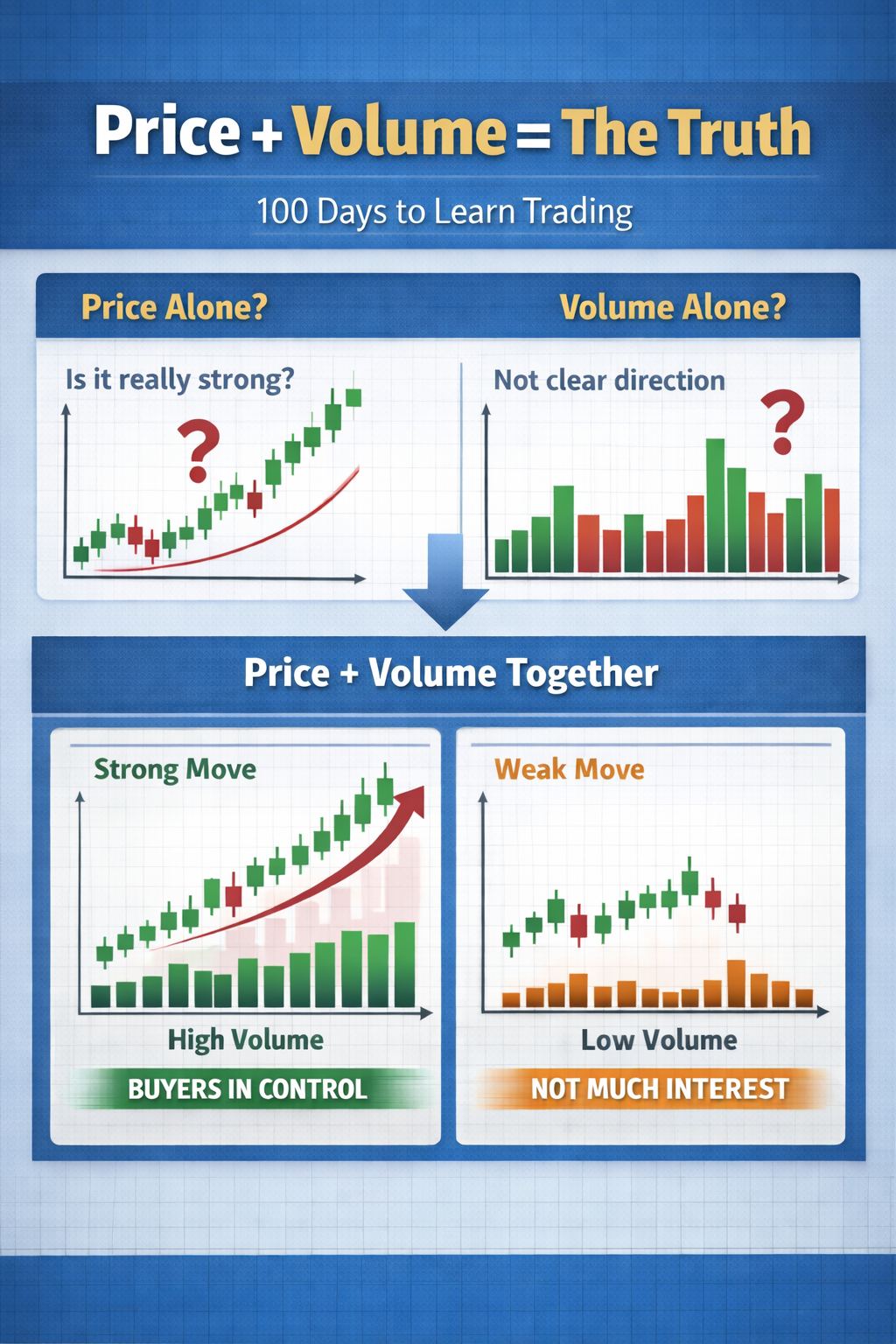
The most common error is misidentifying significant versus insignificant structural elements. Traders often give too much weight to minor swing points on lower timeframes that get easily violated, leading to false signals. To avoid this mistake, focus on structural levels that align across multiple timeframes and show clear price rejection. Verify structure signals by checking volume and momentum — significant structural breaks usually occur with increased volume and decisive candle formations, not just marginal price movements that briefly pierce a level before reversing.
Ignoring Trend Shifts
Many traders develop a fixed bias based on their initial market structure analysis and fail to adapt when the structure changes. This psychological attachment to a particular market direction causes them to ignore clear break of structure signals that contradict their bias. The solution is developing the discipline to reassess market structure continuously and objectively, especially after significant price movements. When you see a valid BOS followed by CHOCH, be prepared to flip your bias regardless of your previous market view or open positions.
Overcomplicating Analysis
Adding too many indicators, trend lines, and technical tools often obscures rather than enhances structure analysis. Clean market structure becomes hidden beneath layers of complexity, leading to analysis paralysis and missed opportunities. The most effective structure traders maintain minimalist charts, focusing primarily on swing highs/lows and key support/resistance levels. Remember that market structure itself — the relationship between swing points — provides all the necessary information without requiring additional validation from indicators.
How to Avoid Market Structure Errors
Establish a consistent verification process for all structure signals. First, confirm that potential structure breaks align across at least two timeframes. Second, ensure volume and momentum support the structural change. Third, wait for at least one candle close beyond the structural level before acting. Finally, maintain a trading journal specifically tracking structure-based decisions to identify patterns in your analysis errors. This systematic approach reduces misreads while building consistent structure recognition skills — the foundation of professional trading.
Auction Theory in Trading Market Structure
Auction Market Theory provides a complementary framework that enhances market structure analysis by explaining the “why” behind structural formations. While market structure shows what the price is doing, auction theory explains the underlying process of price discovery that creates these structures. This theory views markets as continuous auctions where price moves to find levels where buyers and sellers agree to transact.
The core principle of auction theory is that markets constantly seek “fair value” — price levels where trading activity is balanced. When price moves away from fair value, it creates imbalances that eventually resolve through price returning to equilibrium or establishing a new fair value area. These movements between balance and imbalance create the swing highs and lows that form market structure.
Understanding auction dynamics helps anticipate structural developments rather than merely reacting to them. For example, when price breaks structure but quickly encounters heavy volume at new levels, auction theory suggests this could form a new value area rather than continuing the trend.
Trading with Auction Theory
Integrate auction concepts with market structure by identifying value areas where price spends most of its time trading. These areas often become significant support/resistance when revisited later. Pay special attention to price moves outside value areas — these “excess” moves often create the swing points that define market structure.
Look for auction “failures” where price attempts to move in one direction but quickly reverses. These failures often create the swing points that signal potential structure breaks. Volume profile tools can help identify these key levels where auction dynamics shift. When combined with market structure analysis, this approach provides deeper insight into why certain structural levels hold or break, improving both entry timing and profit target placement.
Conclusion
Market structure forms the professional trader’s framework for understanding price movement across the foreign exchange market. By focusing on the relationship between swing highs and lows, you gain insight into market direction that transcends indicators or patterns alone. This structural approach transforms trading from reactive guesswork into a strategic discipline where entries, exits, and risk management flow naturally from objective price organization.
Throughout this article, we’ve explored how market structure reveals the four key market phases, provides early warning of trend changes through BOS and CHOCH signals, and creates logical framework for risk management. The most significant advantage of structure-based trading is its adaptability — these principles work across all currency pairs and timeframes because they’re based on universal market dynamics rather than arbitrary rules.
Your trading journey transforms when you shift from asking “what indicators should I use?” to “what is the current market structure telling me?” This fundamental change in perspective aligns your trading with market reality rather than lagging signals or subjective interpretations.
Ready for the Next Trading Step?
To implement market structure analysis in your trading, start with these concrete steps: First, strip your charts of indicators and focus solely on identifying swing highs and lows for two weeks. Second, practice identifying the current market phase and dominant trend on different timeframes daily. Third, keep a dedicated trading journal documenting structure breaks and how price responds afterward. Finally, practice on a demo account using only structure-based entries and exits until you’ve completed at least 20 trades with consistent results before applying these concepts to live trading.
Keep Learning
To build on your market structure knowledge, explore these complementary trading concepts: Volume analysis provides insight into the conviction behind structural breaks. Order flow trading reveals institutional activity creating key structural levels. Trading psychology helps maintain discipline when following structure-based systems rather than emotions. Consider studying market internals to understand broader conditions affecting forex structure. Books like “Trading in the Zone” by Mark Douglas pair well with structure-based approaches by addressing the psychological aspects of following your trading system consistently.
Frequently Asked Questions
What is market structure in Forex?
Market structure in forex refers to the organization of price into patterns of swing highs and lows that reveal market direction and sentiment. It provides a framework for understanding price movement based on the relationship between these swing points rather than indicators or patterns alone.
Why is market structure important for traders?
Market structure gives traders objective reference points for making decisions, showing the current phase and direction of the market. It provides logical levels for entries, stops, and targets while offering early warning of trend changes through structural breaks, ultimately improving risk management and trade timing.
How do you analyze market structure in trading (step-by-step)?
First, identify significant swing highs and lows. Second, determine trend direction by analyzing the relationship between these swings. Third, map key support and resistance levels. Fourth, identify the current market phase. Finally, watch for potential reversals through breaks of structure and character changes.
What are the different types of market structure (bullish, bearish, sideways)?
Bullish market structure shows higher highs and higher lows, indicating buyer control. Bearish structure displays lower highs and lower lows, showing seller dominance. Sideways structure exhibits roughly equal highs and lows, reflecting a balance between buyers and sellers typically seen during accumulation or distribution phases.
What is a Break of Structure (BOS) and Change of Character (CHOCH)?
A Break of Structure occurs when price breaks a significant swing point against the trend direction. A Change of Character follows BOS when price begins forming a pattern opposite to the previous trend — higher highs after a downtrend or lower lows after an uptrend. Together they signal potential trend reversals.
How to identify a market structure shift in forex?
A market structure shift occurs when price first breaks a significant structural level (BOS), then changes character (CHOCH) by forming a new pattern of swings opposite to the previous trend, and finally establishes a new directional movement. Look for these three elements to confirm a true structure shift.
How does market structure help with risk management?
Market structure provides objective invalidation points for placing stops — below significant swing lows for long trades or above significant swing highs for shorts. This approach ensures you’re only stopped out when your trading thesis is actually wrong, not during normal price fluctuations.
Why is multi-timeframe analysis important for market structure?
Multi-timeframe analysis confirms structural signals across different time perspectives, filtering out noise and false breaks. Higher timeframes provide overall direction, middle timeframes identify trade opportunities, and lower timeframes optimize entries — creating a complete structural trading approach with higher probability setups.
How does Auction Market Theory relate to market structure?
Auction Market Theory explains why market structure forms as it does, viewing price movement as a continuous auction seeking fair value. It helps understand the volume and participation behind structural developments, explaining why certain levels hold or break and enhancing structure-based trading decisions.