How Smart Traders Think in Probabilities, Not Predictions
 Dan Crypto Keller3 min read·Just now
--
Most people see the market as a simple game of direction: up or down, long or short. If you guess right — you win. If you’re wrong — you lose.
That mindset makes trading feel like prediction. But the market is not designed around predictions. It’s designed around flow and structure.
While many traders try to forecast price, others earn regardless of direction. The key difference is not skill in guessing — it’s understanding what game they are actually playing.
Beyond prediction: structure over direction
Some of the most consistent participants don’t rely on direction at all. Market makers are a clear example. They don’t need to predict whether BTC goes up or down. Their profit comes from providing liquidity and capturing the spread between bid and ask prices, read more here.
They are not asking “where is price going?” but rather “how does money move through the system?” That shift in thinking changes everything. Instead of being exposed to market direction, they are exposed to market activity itself.
Hyperliquid and fee-based logic
Modern crypto infrastructure shows this clearly. Platforms like Hyperliquid processed trillions in trading volume not by predicting markets, but by enabling them. Revenue comes from fees on every trade, regardless of direction.
At scale, this becomes important: profit is generated from participation, not prediction. Most traders miss this because they focus only on charts, while the real engine is liquidity and execution flow.
Market makers in traditional finance
In TradFi, the same model exists at an even larger scale. Firms like Citadel Securities don’t rely on being right about market direction. They profit from spread capture and order flow.
Their edge is not prediction — it’s infrastructure. Even in volatile markets, their model works because it is based on constant activity, not outcomes.
How the spread actually makes money
At the core is a simple mechanism: bid, ask, and spread. Market makers continuously quote both sides of the market and earn from the difference. Any risk is usually hedged quickly, turning the model into a system of small, repeated gains rather than directional bets.
It’s not about being right once — it’s about operating efficiently thousands of times.
Why most traders struggle
Most traders still operate in a binary mindset: right or wrong, win or lose, up or down. But markets are not binary. They are probabilistic systems with multiple participants operating under different incentives. Once you understand that some players don’t depend on direction at all, the market stops looking random. It starts looking structured.
Thinking in probabilities
Instead of asking “will price go up or down?”, the better questions are:
- What scenarios are possible?
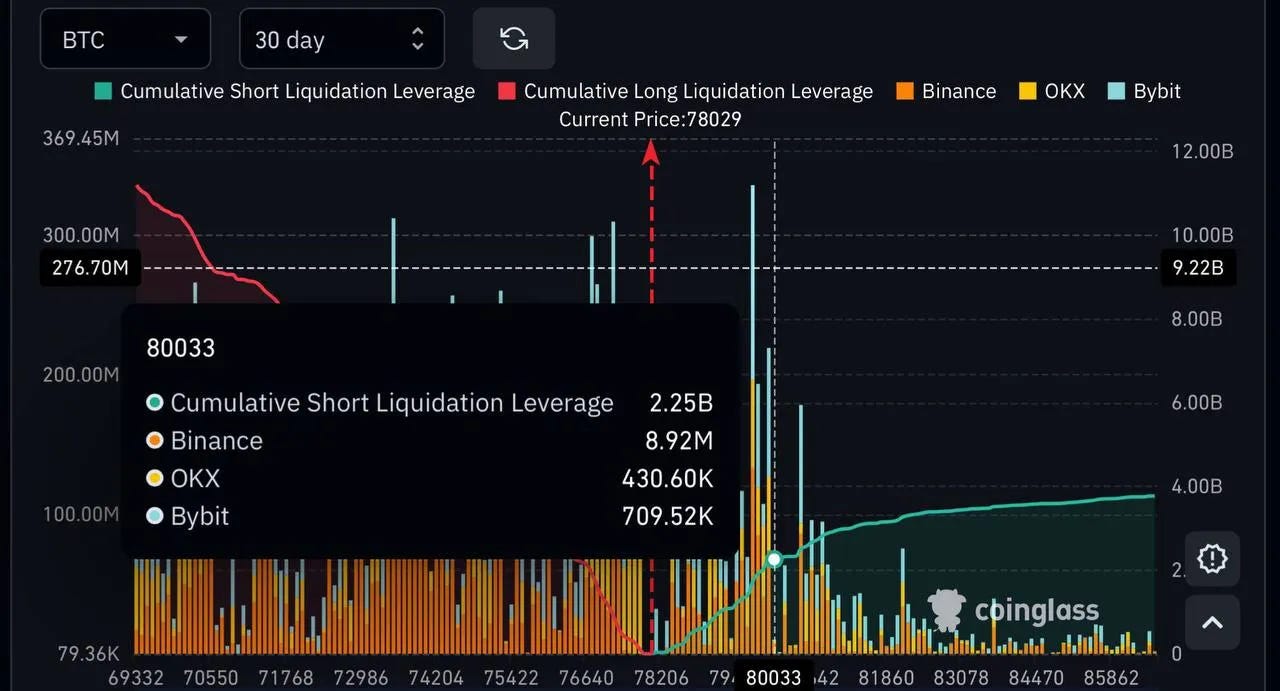
- Where is liquidity positioned?
- Who benefits from different outcomes?
This is the shift from prediction to probability. Directional traders depend on being right once. Structural participants profit across many outcomes.
Final thought
If markets feel random, it’s usually because you’re only seeing one layer — price direction.
Once you understand the deeper structure, the market stops being something to predict and becomes something to read. And at that point, trading is no longer about guessing. It’s about understanding probabilities.