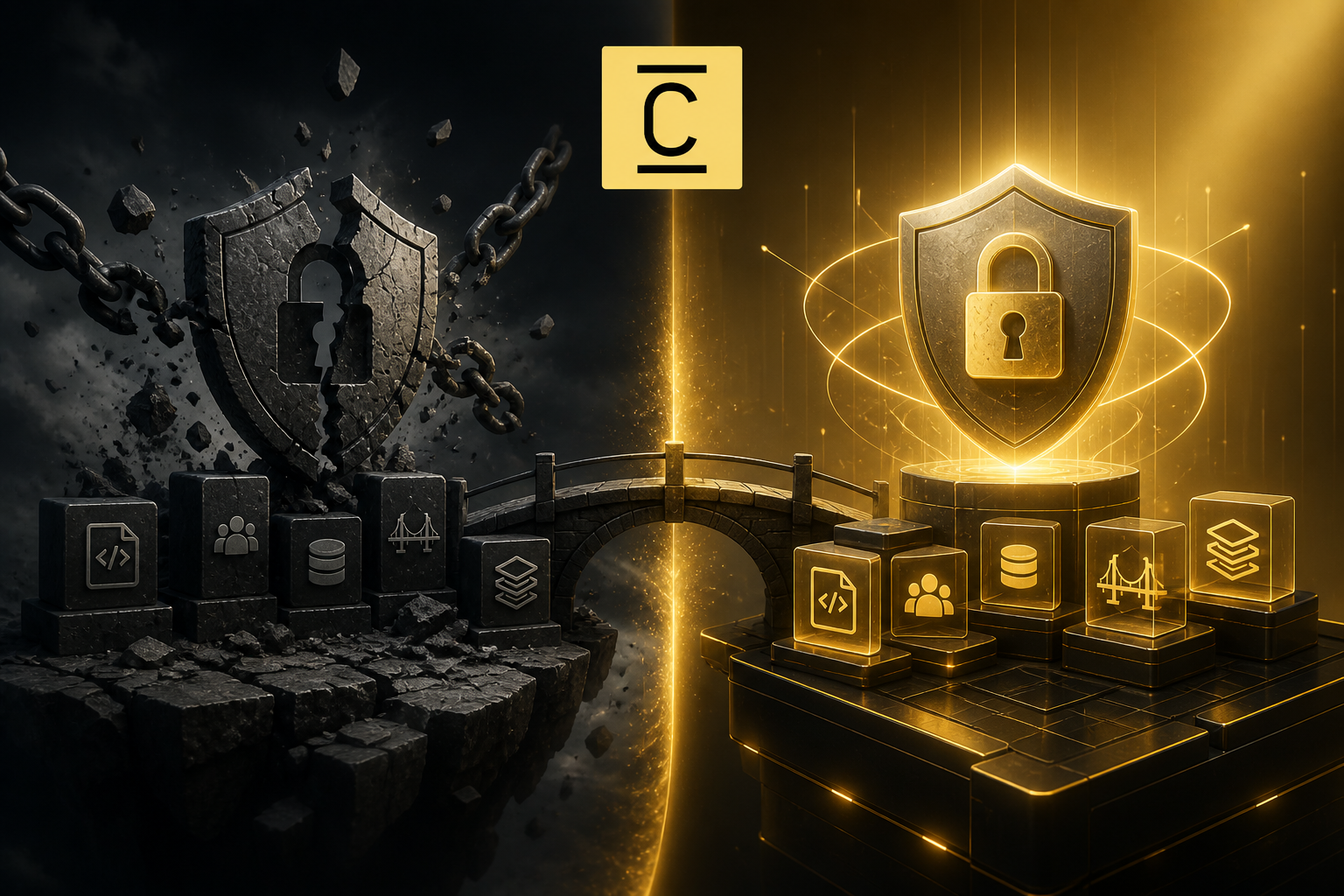
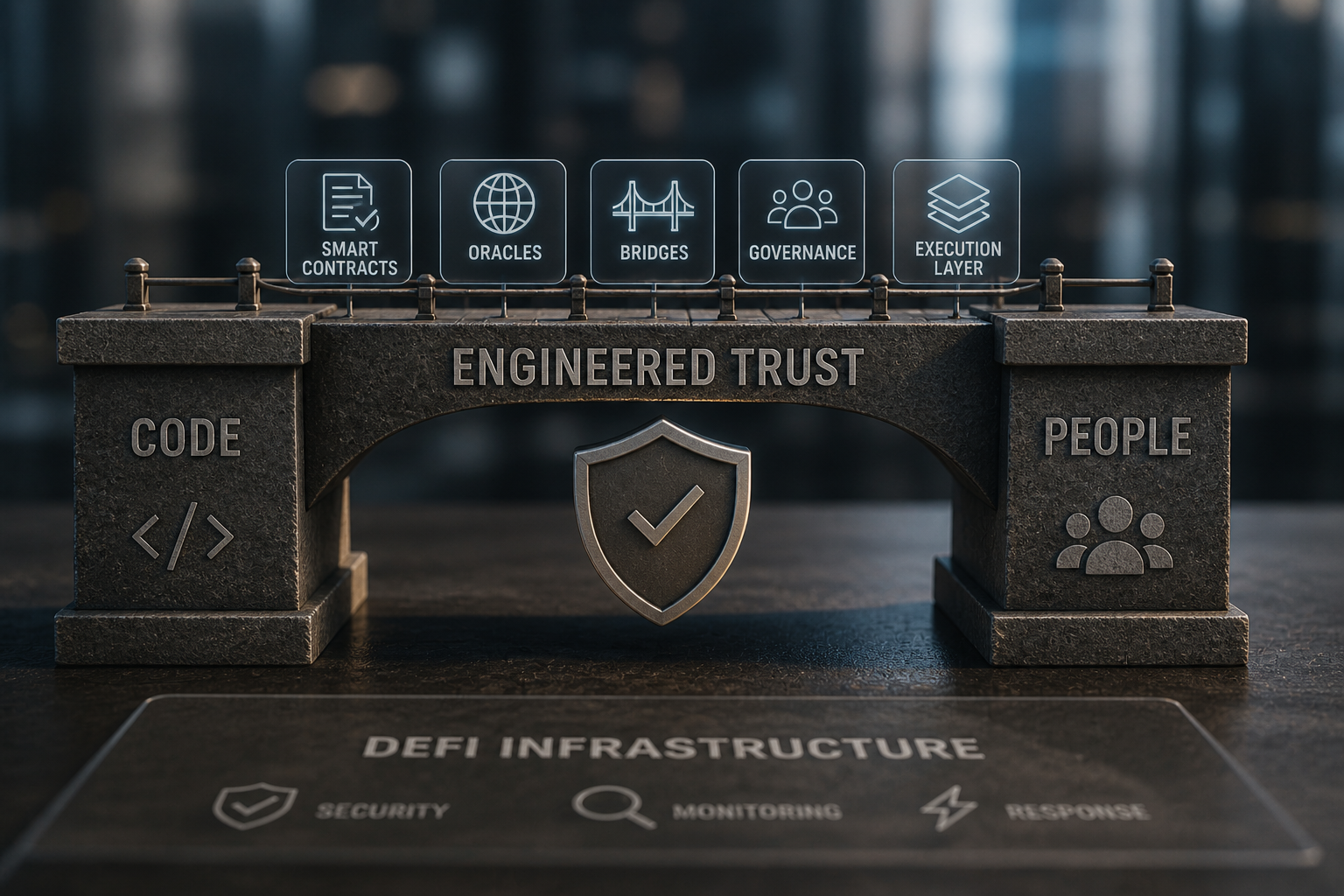
Defi doesn’t remove trust, it engineers it.
 avid_G3 min read·Just now
--
Decentralized Finance (DeFi) was built on a bold and compelling premise:
“Don’t trust people. Trust code.”
For a time, this idea defined the movement. Smart contracts replaced intermediaries, protocols replaced institutions, and “trustless systems” became the gold standard.
But as DeFi has matured, a critical reality has emerged:
Trust was never eliminated. It was simply relocated.
The real question today is not whether trust exists in DeFi but where it exists, and how effectively it is engineered.
The Myth of Trustlessness
At its core, DeFi promotes a narrative of:
- Trustless systems
- Code as law
- Elimination of intermediaries
While appealing, this narrative is incomplete.
In practice, no financial system decentralized or otherwise can operate without trust. What DeFi actually does is shift trust away from traditional institutions and embed it into technical and governance structures.
Where Trust Actually Lives in DeFi
Trust in DeFi exists across multiple layers, often hidden behind technical abstraction:
- Smart Contracts: Users trust that the code is secure, audited, and free from vulnerabilities.
- Governance Systems: Token holders and core contributors influence protocol decisions.
- Oracles: External data feeds introduce dependencies on off-chain information sources.
- Bridges: Cross-chain infrastructure relies on complex security assumptions.
- Execution Layers: Validators, sequencers, and block producers play critical roles.
Rather than removing trust, DeFi distributes it across a network of components each with its own risks and assumptions.
The Problem With “Decentralization Theatre”
A growing concern in the ecosystem is what can be described as “decentralization theatre.”
Some systems appear decentralized on the surface but lack real resilience:
- Multisignature wallets acting as centralized control points
- DAOs with low voter participation and weak governance
- Timelocks that delay action but don’t prevent exploits
- Protocols unable to respond effectively during crises
This creates a dangerous gap between perceived decentralization and actual security.
True robustness is not defined by how decentralized a system appears but by how well it performs under stress.
Introducing Engineered Trust
A more mature perspective is emerging:
Trust is not removed, it is designed.
Engineered trust involves:
- Clearly defined roles and responsibilities
- Explicit permission structures
- Enforced constraints and safeguards
- Systems capable of responding to failure in real time
This is how traditional financial systems achieve reliability — and it’s a model DeFi must adopt to scale sustainably.
Why Operational Security Matters
Code alone cannot anticipate every possible scenario.
Real-world systems require:
- Continuous monitoring
- Rapid incident response mechanisms
- Human judgment in edge cases
- Layered security frameworks
Without these elements, even the most elegant smart contract can become a single point of failure.
A Different Approach: Concrete
This is where Concrete introduces a more pragmatic model for DeFi infrastructure.
Rather than hiding trust assumptions, Concrete makes them explicit and enforceable:
- Trust is transparent, not implied
- Systems are built for response as well as prevention
- On-chain enforcement is combined with off-chain intelligence
- Role-based architectures define who can act — and how
- Execution environments are controlled to reduce risk exposure
Concrete prioritizes operational security over superficial decentralization, offering a framework designed for real-world reliability rather than theoretical purity.
👉 Explore Concrete at https://concrete.xyz/
The Bigger Shift in DeFi
The industry is evolving beyond the early “trustless” narrative.
The next phase of DeFi will be defined by:
- Systems that acknowledge and structure trust
- Infrastructure designed for resilience, not ideology
- Protocols evaluated by their behavior under stress
Ultimately, the future of DeFi will not belong to those who claim to eliminate trust It will belong to those who engineer it best.