Contactless Cards: Tap to pay, security, and where you can use them.
 Evistia5 min read·Just now
--
Contactless credit and debit cards let you pay in seconds. This guide explains RFID and NFC contactless payments, EMV chip vs contactless, common payment limits, and the security basics behind tap and go, so you can use your Evistia card confidently.
Paying by card has become faster than ever, and one of the biggest upgrades is the contactless card. If you’ve seen someone tap their card and walk away in seconds, you’ve already seen tap to pay in action.
But many people still ask the same questions: what is a contactless card, how does tap to pay work, are contactless cards safe, and where can I use contactless payments? Let’s break it down in simple words, using Evistia as the example for modern digital banking.
What is a contactless card?
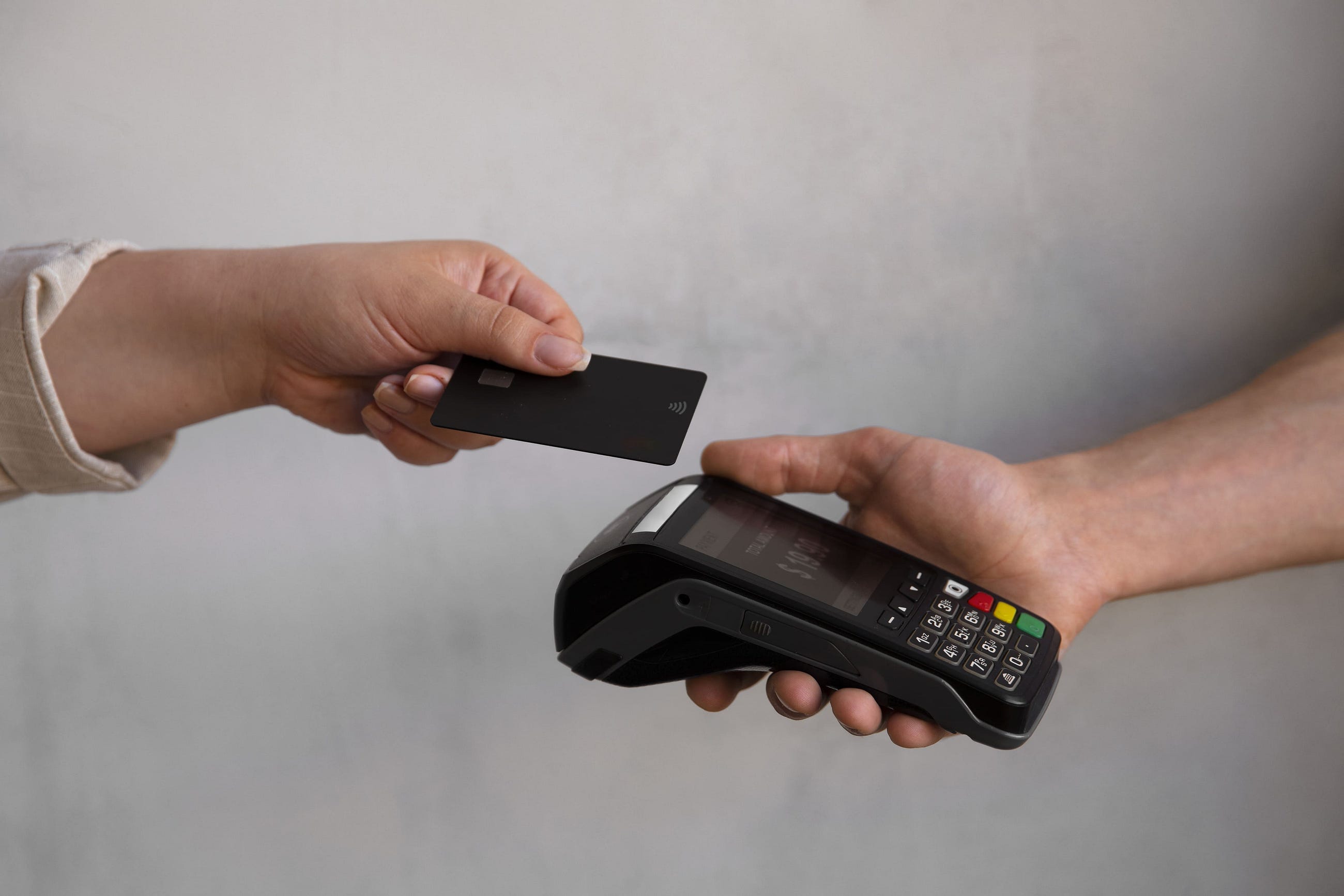
A contactless card is a credit or debit card that lets you pay by tapping the card on a compatible terminal. You don’t insert the card, swipe it, or hand it over. You simply hold it near the reader for a moment and the payment goes through.
You may also hear this called tap and go payment. It works in a similar way to mobile wallets, where you tap your phone or smartwatch to pay.
Evistia cards support contactless payments where available, so you can pay quickly in everyday situations, especially when you’re in a hurry or on the move.
Contactless credit card vs contactless debit card: what’s the difference?
Both contactless credit cards and contactless debit cards use the same tap technology. The difference is how the payment is funded:
- contactless debit card uses your available balance.
- contactless credit card uses your credit limit and is paid back later.
From a “how to tap” point of view, they work the same way at checkout.
How to tell if a card is contactless
Wondering how to tell if a card is contactless? Look for the contactless symbol on the card. It usually looks like four curved lines (similar to a sideways Wi-Fi icon). You can find it on the front or back depending on the card design.
You’ll also see the same symbol on the payment terminal. That’s a quick way to know the store has a contactless card reader.
How does tap to pay work?
So, how does tap to pay work in real life?
Contactless cards use short-range communication to send payment data to the terminal when the card is held close. The two main technologies you’ll hear about are:
- RFID contactless card technology (radio-frequency identification)
- NFC contactless payment technology (near-field communication)
In simple terms: the card and the reader “talk” when they are very close. Then the merchant sends the transaction to the card network and issuer for approval. The process is fast because most of it is automated and happens in the background.
Most contactless cards also include an EMV chip and a magnetic stripe. That means if a store doesn’t support tap, you can still pay using the chip or swipe, so you’re not stuck.
EMV chip vs contactless: which is safer?
People often compare EMV chip vs contactless. Both are designed to be secure, but they work differently at checkout.
With EMV chip, you insert the card and the chip communicates with the terminal.
With contactless, you tap and the communication happens wirelessly at very short range.
In both cases, the goal is to protect your card details and reduce fraud.
How to use a contactless card
If you’re new to it, here’s how to use a contactless card in a typical store:
First, look for the contactless symbol on the terminal.
When the payment screen is ready, hold your card close to the symbol (usually about 1–2 inches).
Wait for confirmation. You may hear a beep, see a green light, or a check mark.
That’s it. For most purchases, the whole tap process takes a second.
Where can I use contactless payments?
The short answer: in a lot of places.
Most modern retailers worldwide support contactless card readers, especially in grocery stores, cafes, fast food, convenience stores, pharmacies, and transport hubs. Many public transit systems also support tap payments, letting riders pay fares quickly without buying tickets or handling cash.
Because support depends on the country, local terminals, and merchant setup, the best habit is simple: look for the contactless symbol at checkout.
Are contactless cards safe?
This is the big question: are contactless cards safe?
Contactless payments are designed with multiple layers of security. One of the key concepts is tokenization in contactless payments.
Tokenization and one-time codes
With many contactless transactions, the system generates a unique code for that specific payment. This is often described as a one-time code contactless payment. The idea is simple: even if someone could see that code, it can’t be used again for another transaction.
This strengthens contactless payment security because your actual card details aren’t being reused in the same way each time.
That said, no payment method is “perfect.” The safest approach is to combine contactless with smart habits: keep your card with you, check transactions regularly, and enable real-time notifications when possible.
Contactless payment limits: why they exist
Many regions apply contactless payment limits, especially for transactions without PIN verification. These limits vary by country, by merchant, and sometimes by your bank’s settings.
The purpose is simple: reduce risk on small “tap and go” payments while keeping the experience fast. If you go over the limit, the terminal may ask you to insert the card and enter a PIN, or use another verification step.
Why contactless is popular
Contactless is popular because it’s fast, convenient, and reduces contact with shared surfaces. For digital nomads and travelers, it can also make everyday purchases easier, especially in places where tap is the default.
With Evistia, you can manage spending in-app, keep track of transactions, and stay in control of your money while using modern payment methods like contactless.
Final thoughts
A contactless card is one of the simplest upgrades to how you pay. Once you understand what is a contactless card, how tap to pay works, and why tokenization supports security, it becomes a normal part of everyday money.
If you want faster checkout, global acceptance (where available), and modern control through your banking app, contactless payments are an easy win and Evistia is built to support that digital-first way of spending.