Bitcoin Price Outlook for 2026: Key Drivers to Track
 Discvr.ai3 min read·Just now
--
Bitcoin enters 2026 at a critical point in its market cycle. With supply tightening after the 2024 halving and global investors rebalancing portfolios toward digital assets, the world’s largest cryptocurrency is positioned for a year shaped by adoption trends, regulatory changes, and macroeconomic shifts. This article simplifies the major forces that can influence Bitcoin’s journey in 2026 and helps readers make smarter investing decisions.
2026 Starts With Strong Tailwinds for Bitcoin
Several positive developments set a constructive tone for 2026:
- Spot Bitcoin ETFs have expanded access for mainstream and institutional investors.
- Crypto adoption is growing in payment networks and cross-border transactions.
- Global liquidity conditions are improving as interest rates stabilise.
- Bitcoin’s correlation with risk assets has weakened, improving its diversification benefits.
- Major financial institutions are integrating Bitcoin custody and trading services.
These supportive foundations indicate rising long-term demand.
Key Forces Shaping Bitcoin’s Price Direction in 2026
1. Halving Impact & Supply Tightening
The reduced issuance of new Bitcoin post-halving creates scarcity at a time when global demand is rising. Historically, such events have supported strong price appreciation in the following 12–24 months, making the supply narrative central to Bitcoin’s 2026 outlook.
2. Institutional Adoption Through ETFs
The growing inflow into spot Bitcoin ETFs globally has stabilised liquidity and reduced extreme price swings. In 2026, this consistent institutional participation can strengthen Bitcoin’s base price and increase long-term confidence.
3. Regulatory Evolution Across Major Economies
While crypto regulations were uncertain in earlier cycles, 2026 brought clearer frameworks in the US, EU, and parts of Asia. Better-defined rules improve investor trust and enhance participation from institutional capital pools.
4. Macro Liquidity & Global Sentiment
Bitcoin’s performance often improves when global liquidity expands and inflation trends stabilise. If central banks maintain supportive policies, Bitcoin could attract greater inflows through 2026.
Risks That Crypto Investors Must Not Ignore in 2026
Alongside the optimism, Bitcoin still carries notable risks:
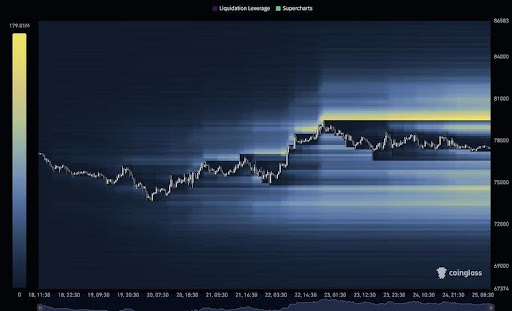
- Short-term volatility remains high due to leveraged trading and speculative flows.
- Regulatory actions in large markets can move prices sharply.
- Cybersecurity threats and poor wallet management remain real risks for new investors.
- Macroeconomic shocks can temporarily reduce liquidity in crypto.
- Emotional investing leads to panic selling during corrections.
Understanding these risks helps create more stable expectations.
How Investors Can Approach Bitcoin in 2026
A practical approach to Bitcoin in 2026 involves combining SIP-style accumulation with disciplined risk management. Instead of chasing short-term spikes, investors can focus on long-term adoption trends, institutional interest, and improving infrastructure. Using trusted exchanges, secure wallets, and price trackers also helps create a safer investment experience.
If you’re ready to participate in Bitcoin’s long-term growth story, a structured plan makes all the difference. Log in and start building your Bitcoin SIP for 2026.
Frequently Asked Questions (FAQs)
1. Will Bitcoin rise steadily in 2026?
It may rise over the long term, but short-term volatility will continue.
2. Should beginners invest in Bitcoin now?
Yes, but through small, regular SIP-style investments to reduce timing risk.
3. Can regulations affect Bitcoin in 2026?
Clearer rules could increase trust and attract larger institutional investors.
4. What is the safest way to store Bitcoin?
Using hardware wallets or trusted custodial services.
5. How much Bitcoin should I hold?
Most investors start with 1–5 percent of their portfolio, depending on risk levels.